Major HIV Fight: Kenya Secures Billions for Life-Saving Drugs
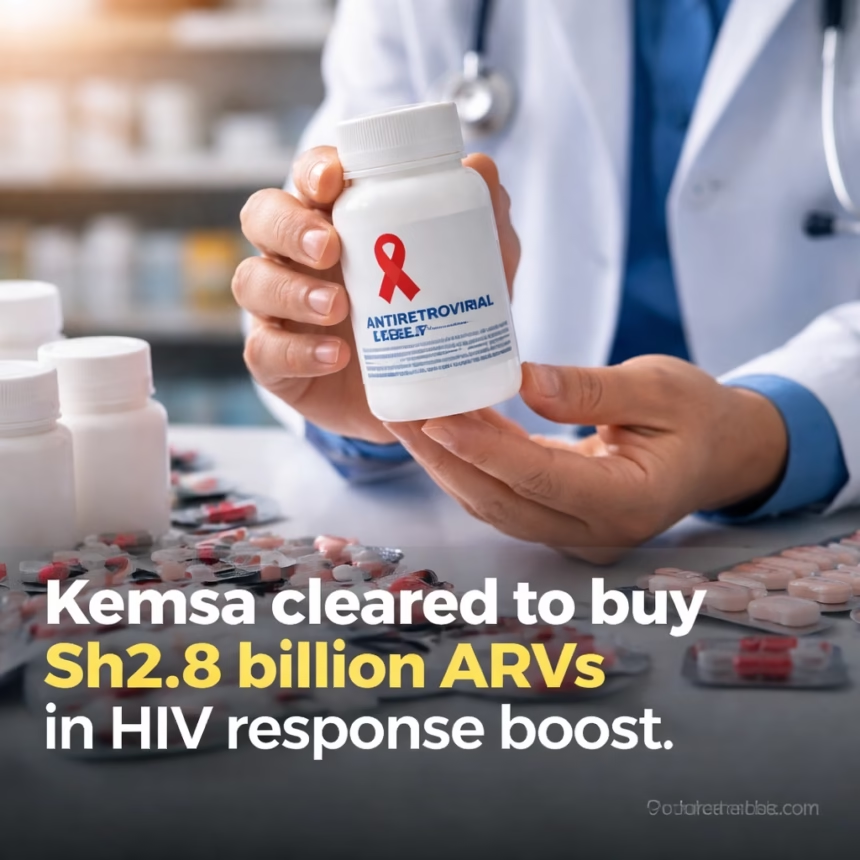
Kenya’s National AIDS Control Council (NACC) has given the Kenya Medical Supplies Authority (KEMSA) the green light to procure antiretroviral (ARV) drugs worth Sh2.8 billion. This significant investment, announced on October 26, 2023, aims to strengthen the country's HIV response and ensure uninterrupted treatment for those living with HIV.
Background
Kenya has been at the forefront of the global fight against HIV/AIDS since the early 2000s. National efforts, spearheaded by the NACC and supported by international partners like the Global Fund and PEPFAR (President's Emergency Plan for AIDS Relief), have dramatically increased access to ARVs. Initially, ARVs were incredibly expensive, but advancements in drug manufacturing and increased global funding have made them more affordable.
The country’s HIV program began scaling up significantly in 2005, moving from a focus on preventing mother-to-child transmission (PMTCT) to expanding treatment availability. This expansion has been instrumental in transforming HIV from a death sentence to a manageable chronic condition for many Kenyans. KEMSA has historically been the primary procurement agency for essential medicines, including ARVs, for public health facilities across the country.
Key Developments
The recent clearance from the NACC for KEMSA to proceed with the Sh2.8 billion ARV purchase is a critical step. This decision follows a period of logistical challenges and delays in procurement processes, partly attributed to global supply chain disruptions and budgetary constraints. The NACC’s approval specifically covers a range of essential ARV regimens, including first-line and second-line options, catering to the diverse needs of the patient population.
KEMSA has indicated that the procurement process will prioritize ensuring the quality and efficacy of the drugs. They are working with manufacturers and quality control agencies to guarantee adherence to international standards. The anticipated delivery of the drugs is scheduled to begin in December 2023 and continue throughout 2024, with phased distribution to health facilities across Kenya.
Impact
This procurement will directly impact an estimated 1.5 million Kenyans living with HIV. A consistent supply of ARVs is crucial for maintaining viral suppression, preventing disease progression, and improving the overall health and quality of life for individuals living with the virus. Without uninterrupted access to treatment, individuals are at a significantly higher risk of developing AIDS-related illnesses and transmitting the virus to others.
More Read

Beyond individual health, the improved ARV supply will also contribute to a reduction in the overall HIV transmission rate. When individuals are virally suppressed, they are less likely to transmit the virus to their sexual partners. This has a cascading effect on public health, reducing the burden on the healthcare system and enabling resources to be directed towards other critical areas of HIV prevention and care.
What Next
Distribution and Logistics
KEMSA will now focus on the efficient and equitable distribution of the ARV drugs to health facilities across Kenya. This involves coordinating with regional and county health offices, managing storage and transportation logistics, and ensuring that drugs are readily available at the point of care.
Monitoring and Evaluation
The NACC will continue to monitor the procurement and distribution process to ensure transparency and accountability. Regular evaluations will be conducted to assess the impact of the ARV supply on treatment outcomes and identify any challenges that need to be addressed. Data will be collected on drug utilization, patient adherence, and viral suppression rates.
Sustainability
While this Sh2.8 billion investment is a significant boost, the long-term sustainability of the HIV program relies on continued funding from both domestic and international sources. Kenya is actively engaging with its development partners to secure commitments for future ARV procurement and support for other essential HIV services.
The focus remains on achieving Universal Health Coverage (UHC) for all Kenyans, ensuring that access to HIV treatment and prevention services is not a barrier to quality healthcare.