Hope or Hostility? Iran-US Dialogue Begins Amidst Tensions
Discussions between Iran and the United States commenced on Tuesday, November 15, 2023, in Oman, marking the first direct talks between the two nations in over two years. The meeting, mediated by the Omani government, aims to de-escalate tensions and address concerns surrounding Iran's nuclear program and regional activities.
Background
Relations between Iran and the US have been strained for decades, significantly worsening after the 1979 Iranian Revolution. The 2015 Joint Comprehensive Plan of Action (JCPOA), often referred to as the Iran nuclear deal, saw Iran agree to limit its nuclear program in exchange for sanctions relief from the US, European Union, China, and Russia. However, the US withdrew from the JCPOA in 2018 under the Trump administration, citing concerns that the agreement didn't adequately address Iran’s ballistic missile program and regional influence. Following the US withdrawal, economic sanctions were reimposed on Iran, severely impacting its economy.
The Biden administration has expressed a desire to revive the JCPOA, but negotiations have stalled repeatedly. The core disagreement revolves around guarantees of future sanctions relief and Iran's commitment to verifiable restrictions on its nuclear activities. The situation escalated further in 2022 with a series of incidents, including drone and missile attacks attributed to Iran targeting US forces in Iraq and the capture of five US Navy personnel in the Persian Gulf.
Key Developments
The current talks in Muscat, Oman, represent a significant, albeit cautious, step toward dialogue. Oman has played a crucial role in facilitating communication between the two countries, acting as a neutral platform for discussions. The initial meeting involved senior diplomats from both sides, including Iranian Deputy Foreign Minister Ali Bagheri Kani and US Deputy Assistant Secretary of State for Iran and Regional Security, Wendy Sherman.
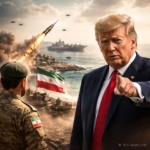
According to reports, the discussions focused on easing banking restrictions and addressing the welfare of Iranian citizens, particularly regarding access to humanitarian aid. While the agenda remains broad, the primary focus is expected to be on the nuclear program. Iran has repeatedly stated its willingness to negotiate, but has also emphasized its resolve to defend its national interests.
Impact
The potential impact of these talks is far-reaching. A successful resumption of negotiations could lead to a significant easing of tensions in the Middle East, potentially reducing the risk of military confrontation. Economic sanctions relief could also provide a much-needed boost to Iran's struggling economy. However, the talks are unlikely to resolve all outstanding issues quickly.
Regional actors, such as Saudi Arabia and Israel, are closely observing the developments. Saudi Arabia, a long-time rival of Iran, has welcomed any move towards de-escalation. Israel, however, remains skeptical and has called for a strong and verifiable agreement to prevent Iran from developing nuclear weapons. The outcome of these talks will undoubtedly influence the geopolitical landscape of the Middle East.
More Read

What Next
The initial talks in Muscat are expected to last for a few days. The agenda includes several rounds of meetings between delegations from both countries. A key goal is to establish a framework for future negotiations, potentially involving more detailed discussions on the nuclear program, sanctions, and regional security concerns.
Potential Roadblocks
Several obstacles could hinder progress. Disagreements over the scope of sanctions relief, verification mechanisms for the nuclear program, and the inclusion of regional security issues in the talks remain significant challenges. Furthermore, domestic political considerations in both countries could influence the negotiating positions of the delegations. The upcoming Iranian presidential election in June 2024 could also impact the process.
Timeline
While a comprehensive agreement is unlikely in the short term, the initial talks are considered a positive step. If productive discussions continue, the next phase could involve more detailed negotiations in Europe or other neutral locations. The timeframe for a potential agreement remains uncertain, with experts suggesting it could take several months, if not longer, to reach a sustainable resolution.
Khamenei’s Stance
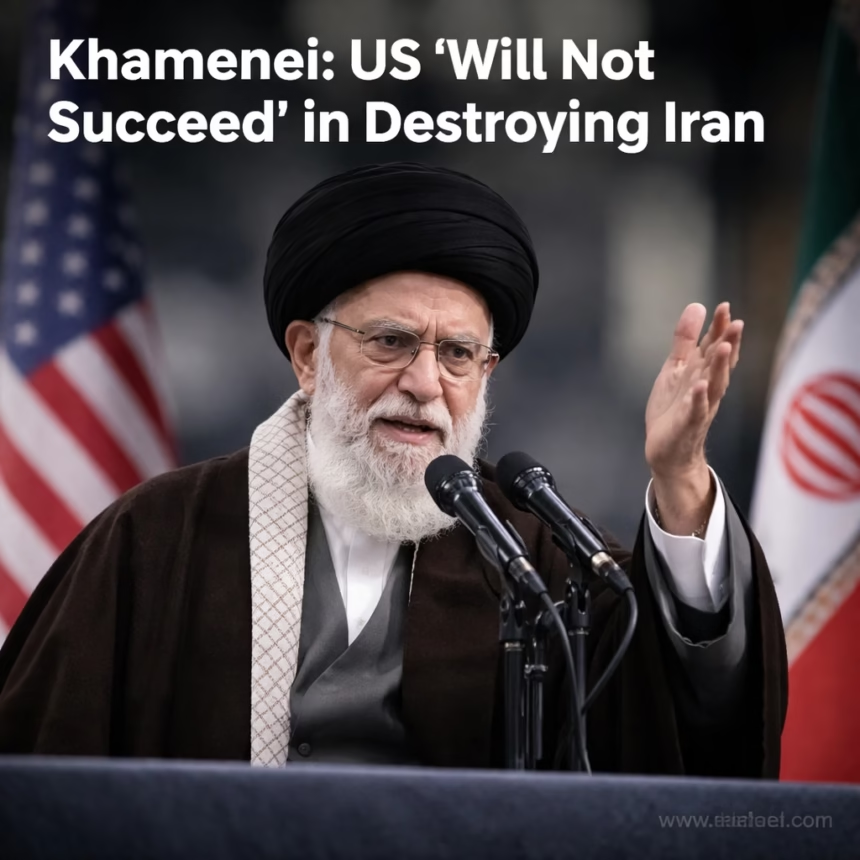
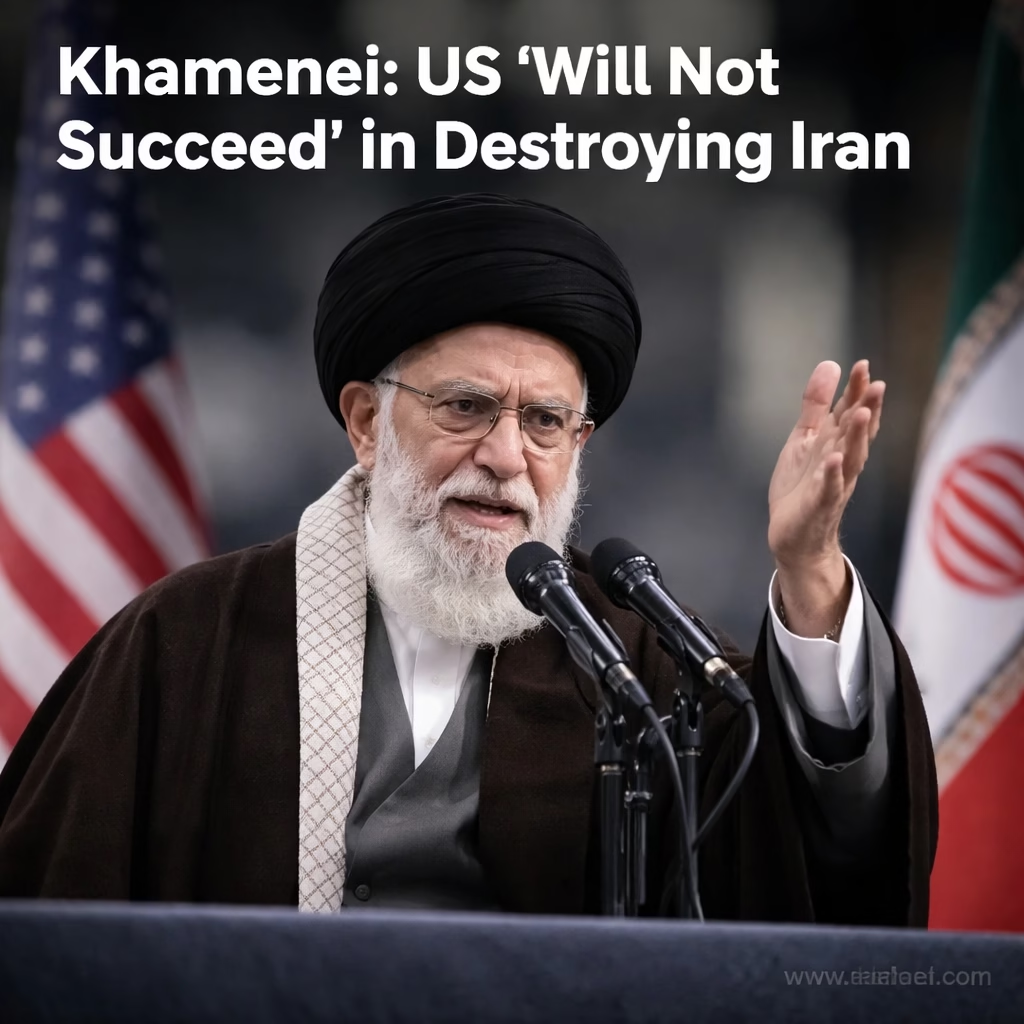
Iranian Supreme Leader Ali Khamenei, in a recent speech on November 14, 2023, acknowledged the talks but reiterated Iran's unwavering stance. He stated that the US "will not succeed" in destroying Iran and emphasized that the country would continue to strengthen its capabilities. Khamenei asserted that Iran will participate in negotiations "for the right reasons," but will not compromise on its core principles or national security.
"The Americans have been trying to pressure us for years," Khamenei said. "But they have failed, and they will fail again." His remarks signal that while Iran is willing to engage in dialogue, it remains wary of US intentions and will not be easily swayed.