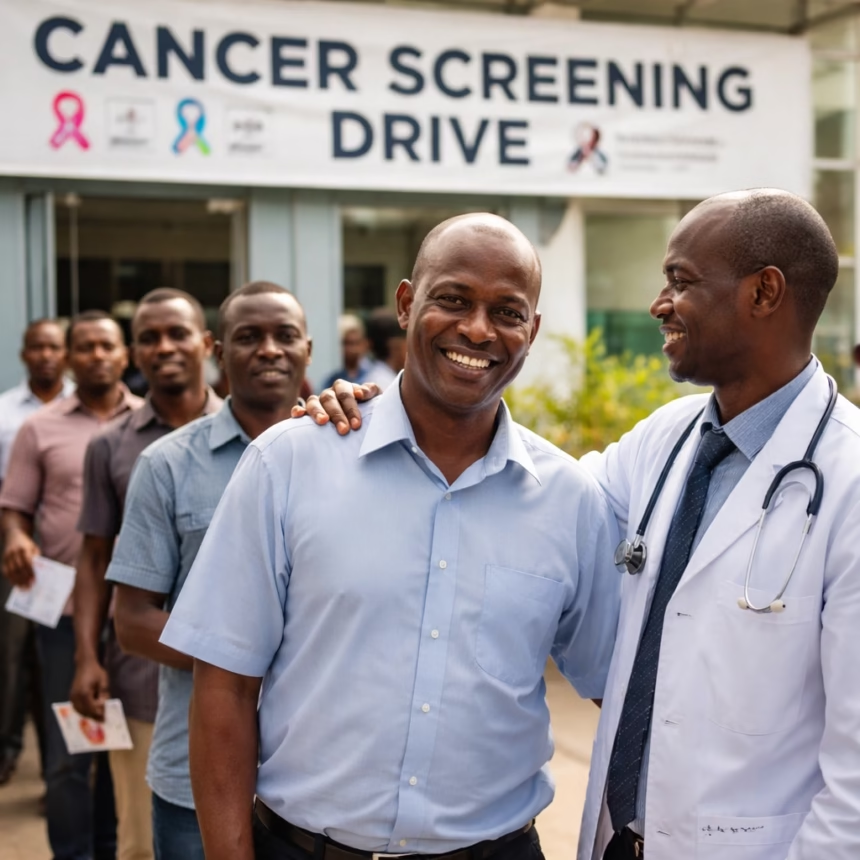
Kirinyaga County has witnessed a remarkable surge in cancer screening participation, with men notably stepping forward in unprecedented numbers. The recent county-wide health initiative, launched in early 2024, aimed to enhance early detection rates for various cancers, particularly prostate and colorectal, among the male population. This proactive engagement marks a significant shift in health-seeking behaviors within the region.
Background: Addressing a Silent Epidemic
Kenya, like many developing nations, faces a growing burden of non-communicable diseases, with cancer being a leading cause of mortality. Historically, men have been less likely to seek preventative healthcare services, often due to cultural norms, lack of awareness, or perceived invulnerability. This trend has contributed to late-stage diagnoses for many cancers, particularly prostate and colorectal cancer, where early detection significantly improves prognosis.
Kirinyaga County, situated in Kenya's Central region, has been actively working to strengthen its healthcare infrastructure and public health programs. Previous health campaigns often saw higher participation rates among women, primarily for cervical and breast cancer screenings. The challenge of engaging men in preventative health remained a consistent hurdle for health officials. National statistics from the Ministry of Health consistently highlight the disparities in health-seeking behaviors between genders, underscoring the urgency of targeted interventions.
In recent years, the Kirinyaga County Department of Health, in collaboration with national health bodies and non-governmental organizations, has intensified efforts to demystify cancer and promote early screening. These efforts included community outreach programs and the training of community health volunteers (CHVs) to act as ambassadors for health within their localities. The aim was to foster an environment where health discussions, including those about sensitive topics like cancer, become normalized.

Key Developments: A Targeted Approach Yields Results
The latest cancer screening drive, officially launched on January 15, 2024, at Kerugoya County Referral Hospital, adopted a multi-faceted approach. It specifically targeted men over 40 years of age, emphasizing the importance of prostate-specific antigen (PSA) tests for prostate cancer and fecal occult blood tests (FOBT) for colorectal cancer. Mobile screening units were deployed across all five sub-counties: Kirinyaga Central, Mwea, Gichugu, Ndia, and Kirinyaga East.
The initiative benefited from extensive public awareness campaigns utilizing local radio stations, community barazas (public meetings), and partnerships with local religious and community leaders. These campaigns directly addressed common misconceptions about cancer and masculinity, framing health-seeking as a sign of strength and responsibility towards family. Health talks were integrated into social gatherings, making information more accessible and less intimidating.
Crucially, the county government allocated significant resources to ensure the availability of free screening services. This removed financial barriers that often deter individuals from accessing preventative care. Staffing included a dedicated team of medical officers, clinical officers, nurses, and laboratory technicians, all trained in sensitive communication and efficient screening protocols. The drive also offered general health check-ups, including blood pressure and diabetes screening, to encourage broader participation.
More Read

Strategic Partnerships and Resource Mobilization
The success of the drive was bolstered by strategic partnerships. The Kirinyaga County Government collaborated closely with the National Cancer Institute of Kenya (NCI-K) for technical guidance and data management. Support from organizations like the Kenya Cancer Association provided additional resources, including educational materials and training for healthcare workers. These collaborations ensured a standardized and high-quality screening process across all centers.
Impact: Shattering Stigma and Saving Lives
The uptake during the initial phase of the drive exceeded all expectations. Over 12,000 individuals were screened within the first six weeks, with approximately 65% being men. This figure represents a significant departure from previous health campaigns, where male participation rarely surpassed 30-40%. The Kerugoya County Referral Hospital alone reported screening over 2,500 men for prostate cancer, with an additional 1,800 men undergoing colorectal cancer screening across the county.
Positive Cases and Referral Pathways
Preliminary data indicates that out of the men screened for prostate cancer, 3.5% (approximately 270 individuals) showed elevated PSA levels requiring further investigation. For colorectal cancer, 1.2% (about 70 individuals) tested positive for occult blood, necessitating colonoscopy referrals. These early detections are critical, as they offer a window for intervention before the disease progresses to advanced, less treatable stages.
The strong male turnout is attributed to several factors. The targeted messaging that emphasized family responsibility and long-term well-being resonated deeply within the community. The involvement of male community leaders who publicly endorsed the screenings helped to de-stigmatize the process. Furthermore, the convenience of mobile clinics and the discreet nature of the screening procedures contributed to a more comfortable environment for men.
Community Testimonials and Behavioral Change
Mr. John Mwangi, a 58-year-old farmer from Ndia sub-county, shared his experience: “I always thought these things were for women or for people who were already sick. But when my village elder spoke about it, and the health workers explained it so simply, I decided to go. It was quick, and now I know my status. It’s a relief.” Such testimonials highlight a tangible shift in community perception towards preventative health.
The drive's success has not only led to early detection but also to increased health literacy among the male population. Men are now more openly discussing their health concerns, encouraging peers to get screened, and understanding the importance of regular check-ups. This ripple effect is expected to have long-term positive implications for public health in Kirinyaga.

What Next: Sustaining the Momentum
Building on the initial success, the Kirinyaga County Department of Health plans to institutionalize regular cancer screening programs. The current drive is set to continue for another three months, with an emphasis on reaching more remote areas and ensuring follow-up for all individuals who received positive screening results. A comprehensive referral system has been established to link patients with diagnostic services and treatment centers within and outside the county.
Enhancing Infrastructure and Capacity
The county government is exploring investments in advanced diagnostic equipment, including additional ultrasound machines and endoscopy facilities, to reduce the need for external referrals. Training programs for healthcare professionals will be expanded to enhance their skills in oncology and palliative care. The goal is to create a robust cancer care pathway that encompasses prevention, screening, diagnosis, treatment, and survivorship support.
Future Initiatives and Policy Integration
Plans are also underway to integrate cancer screening more deeply into routine primary healthcare services. This means that health facilities across the county will be equipped and staffed to offer basic screenings continuously, rather than solely relying on episodic campaigns. Policy frameworks are being reviewed to allocate sustainable funding for cancer prevention and control, ensuring the long-term viability of these critical health interventions.
The remarkable participation of men in Kirinyaga's cancer screening drive serves as a powerful testament to the effectiveness of targeted, culturally sensitive public health initiatives. It offers a blueprint for other regions grappling with similar challenges in engaging diverse populations in preventative healthcare.