## Last Kurdish Forces Withdraw from Aleppo as Ceasefire Deal Takes Effect
Kurdish Militias Exit Aleppo in Historic Ceasefire Agreement
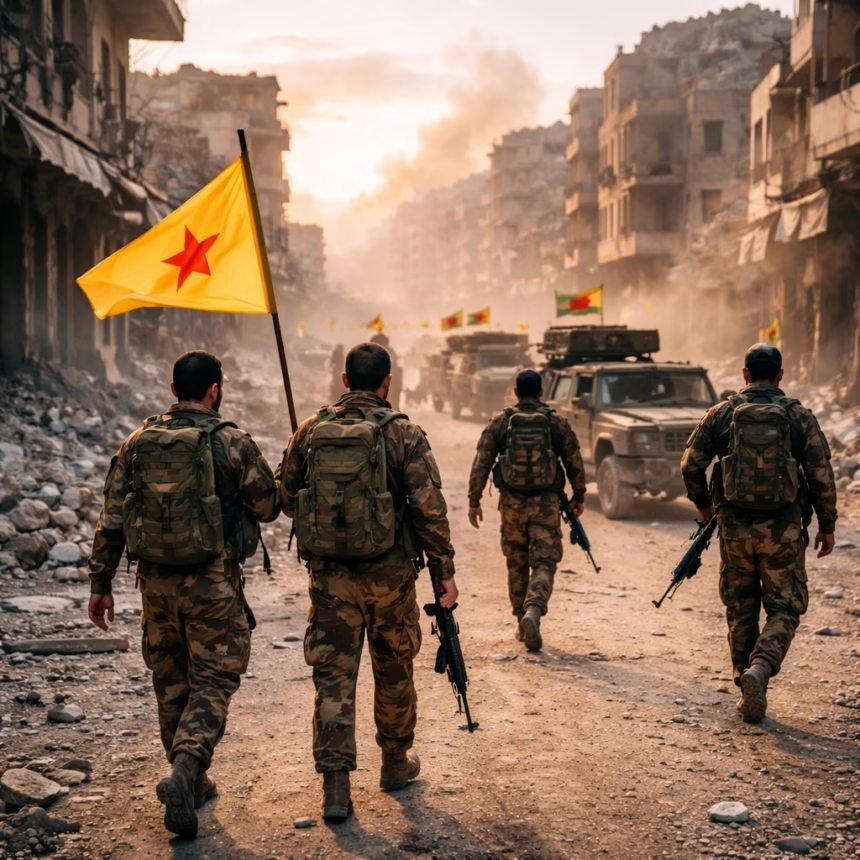
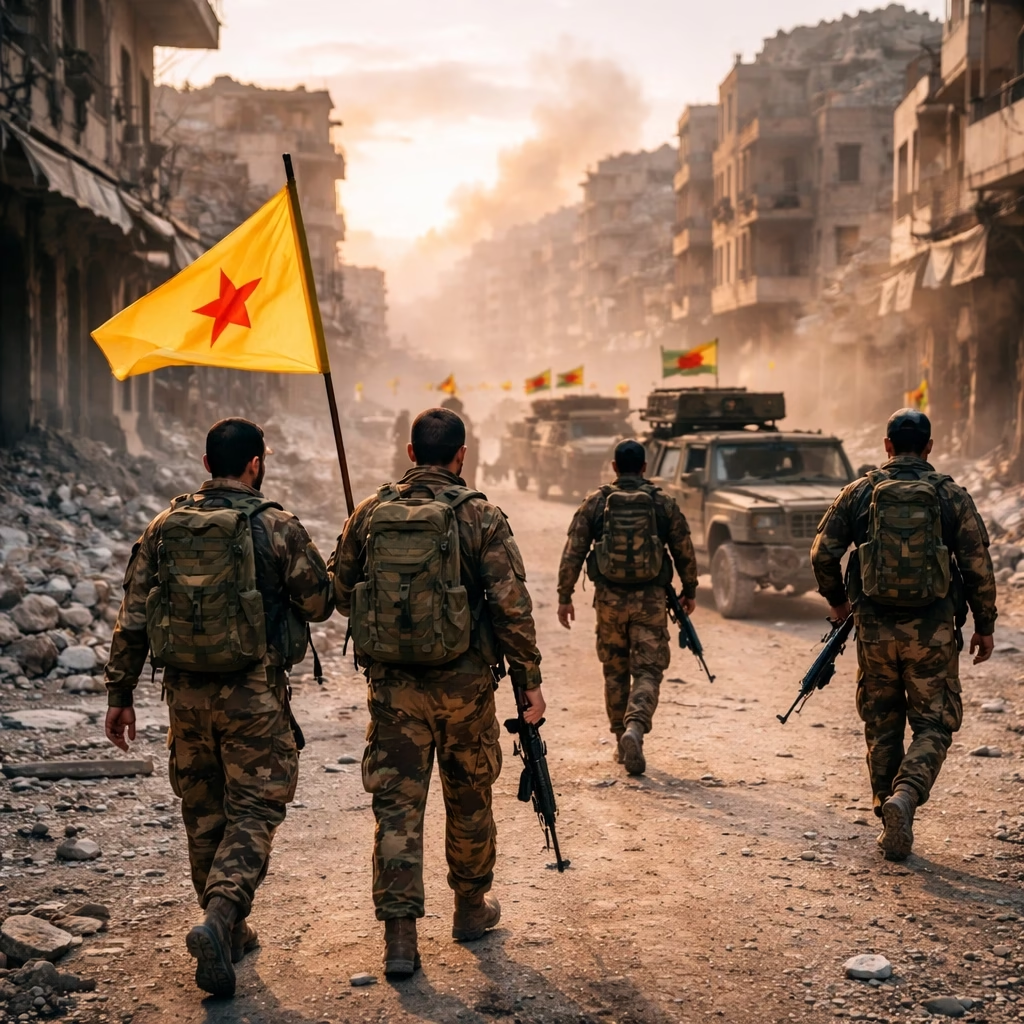
The last remaining Kurdish forces have officially withdrew from the city of Aleppo, Syria, following a hard-won ceasefire deal between Kurdish-led militias and the Syrian government. The agreement, brokered by Russian and Turkish mediators, marks a significant step in the ongoing Syrian conflict.
Background: A Pivotal Turning Point in Syria’s Civil War
For years, Aleppo has been a flashpoint in Syria’s brutal civil war, with Kurdish fighters, government forces, and various rebel groups vying for control. The conflict intensified in 2016, with heavy bombardment and ground operations leaving the city in ruins. The Kurdish-led Syrian Democratic Forces (SDF) had been a key player in resisting both the Syrian regime and extremist groups like ISIS.
More Read

Under pressure from Syrian military advances and Turkish-backed opposition forces, the SDF had already relinquished several key areas around Aleppo in recent months. The withdrawal of the last Kurdish forces now signals a major shift in the balance of power in northern Syria.
Key Developments: The Path to Peace
Negotiations for the ceasefire began in earnest last month, following a series of intense clashes and civilian casualties. The deal, finalized on [date], includes a full withdrawal of Kurdish fighters from Aleppo and surrounding areas, along with a promise of amnesty for those who lay down their arms. In exchange, the Syrian government has agreed to halt military operations and allow humanitarian aid into the region.
More Read

Local officials reported that the withdrawal was completed smoothly, with no major incidents. Both sides have expressed cautious optimism that the deal will hold, though tensions remain high in other parts of the country.
Impact: A Fragile but Hopeful Moment for Civilians
The ceasefire brings immediate relief to civilians who have endured years of violence and displacement. Aleppo, once Syria’s economic heart, has been devastated by war, and many residents have fled to safer areas. The deal could pave the way for reconstruction efforts, though the long-term stability of the region remains uncertain.
For the Kurdish forces, the withdrawal represents both a strategic retreat and a step toward potential political inclusion in Syria’s future. Meanwhile, the Syrian government has positioned itself as a key player in the post-conflict landscape, though international scrutiny over human rights violations remains a concern.
What Next: The Road Ahead for Aleppo and Beyond

While the ceasefire is a significant milestone, the path to lasting peace in Syria is far from clear. Both the Syrian government and Kurdish forces have indicated that they will continue discussions on broader political issues, including governance and decentralization.
The international community, including the United Nations and neighboring countries, will be watching closely to see if the deal holds. Rebuilding Aleppo and addressing the humanitarian crisis will be critical in the coming months, as will efforts to prevent further escalation in other parts of Syria.
As of now, the withdrawal of the last Kurdish forces from Aleppo stands as a rare moment of progress in a conflict that has claimed hundreds of thousands of lives. Whether this ceasefire will lead to lasting stability or merely a temporary lull in the violence remains to be seen.