Libya Declared Trachoma-Free: A Landmark Public Health Achievement
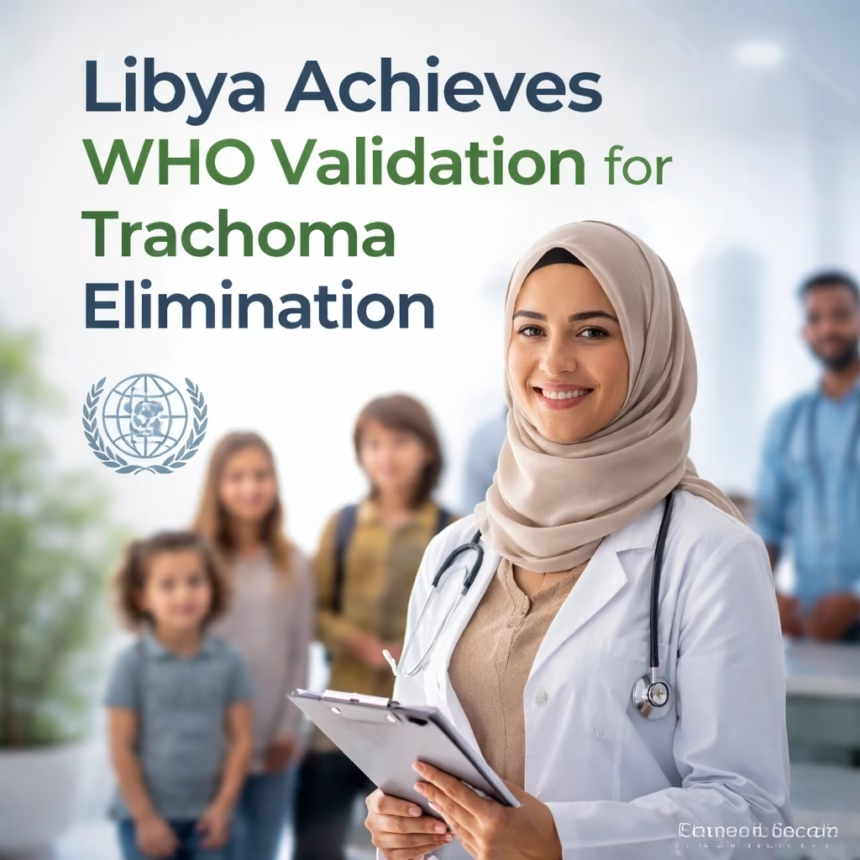
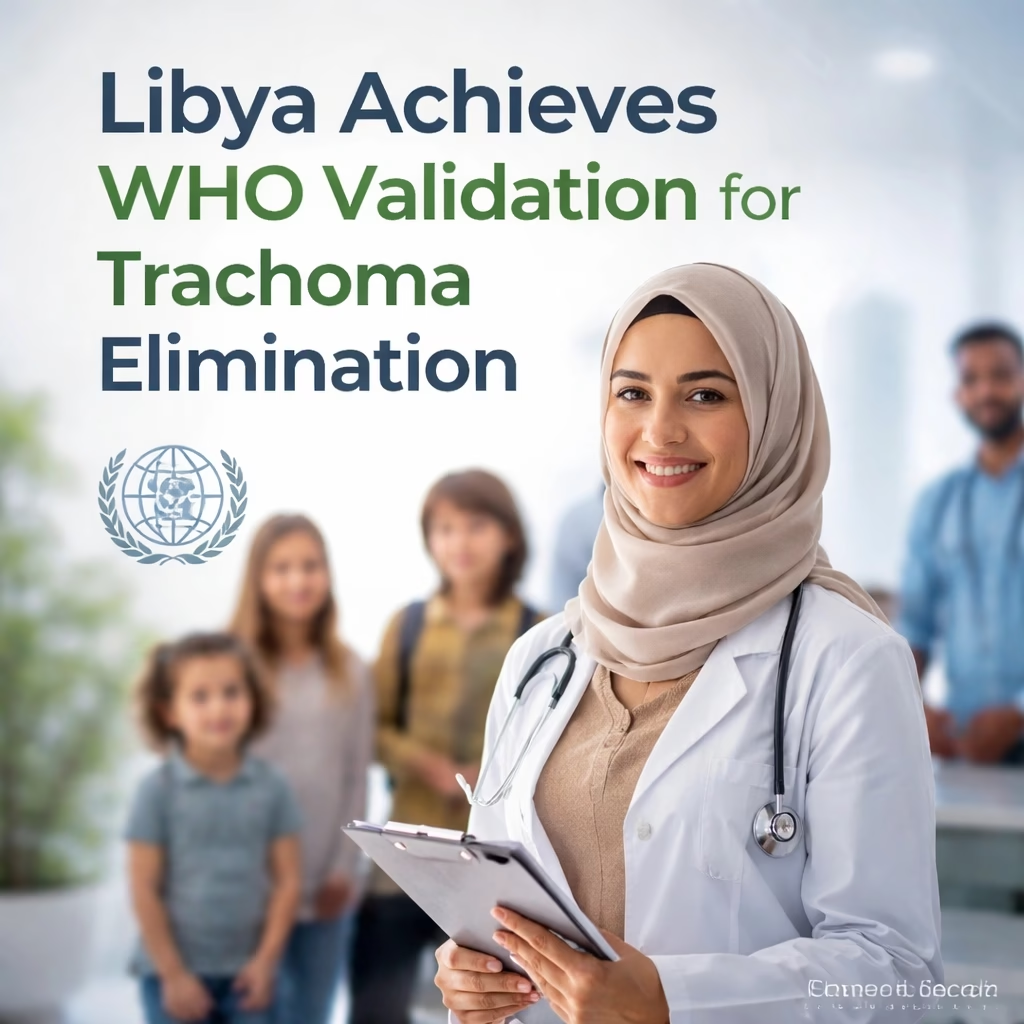
Libya has officially achieved validation from the World Health Organization (WHO) for eliminating trachoma as a public health problem. This landmark announcement signifies a monumental victory in the nation's ongoing efforts to improve public health and combat preventable blindness. The recognition places Libya among a growing number of countries to successfully eradicate this ancient infectious disease, marking a significant milestone for the entire North African region.
Background: The Long Fight Against a Blinding Disease
Trachoma, a neglected tropical disease (NTD) caused by the bacterium Chlamydia trachomatis, has historically been a leading infectious cause of preventable blindness worldwide. The infection primarily affects the eyes, leading to repeated inflammation. Over time, this chronic inflammation can cause the eyelid to turn inwards, a painful condition known as trachomatous trichiasis (TT), where eyelashes scrape the cornea, eventually leading to irreversible blindness if left untreated.
In Libya, trachoma was once endemic, particularly impacting vulnerable populations in rural and underserved communities where access to clean water, sanitation, and healthcare services was limited. Generations faced the debilitating consequences, burdening the nation's public health infrastructure and economic productivity.
WHO’s Global Strategy and Libya’s Commitment
The World Health Organization developed the SAFE strategy for trachoma elimination: Surgery for trichiasis, Antibiotics (specifically azithromycin) for active infection, Facial cleanliness, and Environmental improvement, particularly access to water and sanitation. Libya embarked on a comprehensive national program adopting this strategy, demonstrating a long-term commitment.

Efforts intensified over the past two decades, with the Libyan Ministry of Health establishing a dedicated National Trachoma Control Program. This program systematically implemented interventions across affected areas, using initial surveys to map prevalence and guide targeted actions.
Key Developments: A Decade of Dedicated Action
The journey to elimination required sustained political will, significant resource allocation, and robust implementation of public health interventions. Libya's recent validation is the culmination of years of meticulous planning, execution, and surveillance, particularly in the last decade.
Comprehensive Implementation of the SAFE Strategy
The Libyan Ministry of Health, often in collaboration with international partners, diligently applied all components of the SAFE strategy. Mass drug administration (MDA) campaigns were conducted in endemic districts, distributing oral azithromycin to entire communities to reduce the reservoir of infection. Surgical services were established and strengthened, with ophthalmologists and trained health workers performing corrective surgeries for thousands. Public health education promoted facial cleanliness, especially among children, highlighting good hygiene to break transmission.
More Read

Investing in Water, Sanitation, and Hygiene (WASH)
Crucially, significant investments were made in improving access to clean water and adequate sanitation facilities. These environmental improvements are fundamental to preventing trachoma’s spread, as the bacteria are often transmitted through direct contact with ocular and nasal discharges from infected individuals, and indirectly via contaminated hands, clothing, or flies.
Rigorous Surveillance and Data Collection
A robust surveillance system monitored disease prevalence and detected any potential resurgence. This involved regular population-based surveys in previously endemic areas, conducted according to WHO guidelines. Data consistently showed that the prevalence of active trachoma among children aged 1-9 years, and trachomatous trichiasis in people aged 15 years and older, had fallen below WHO-defined thresholds for at least five consecutive years. An independent WHO-led international team verified these findings on the ground before recommending validation.
Impact: A Healthier Future for Libya
The elimination of trachoma represents more than just a public health achievement; it heralds a profound positive impact on the lives of countless Libyans, especially the most vulnerable.
Ending Preventable Blindness and Suffering
Foremost, this validation means generations of Libyans will no longer face irreversible blindness due to trachoma. Children can grow up without fear, and adults can continue to contribute to their families and communities without vision impairment. This directly improves the quality of life, dignity, and well-being for thousands at risk.
Strengthening the Healthcare System and Economy
The success demonstrates the capacity of Libya’s public health system to tackle complex health challenges. Infrastructure, training, and surveillance mechanisms developed for trachoma elimination can now be leveraged for other public health initiatives, strengthening primary healthcare. Economically, elimination reduces healthcare burdens and enhances productivity, as individuals are no longer incapacitated by vision loss, allowing full participation in education and economic activities.
Social and Educational Benefits
With improved vision, children are better able to attend school and learn, breaking cycles of poverty and illiteracy often associated with preventable disabilities. Women, disproportionately affected and often primary caregivers, experience significant relief, leading to greater empowerment and community participation.

Libya's achievement serves as an inspiration and a testament to what can be accomplished through sustained effort and international collaboration, setting a precedent for other nations striving to eliminate neglected tropical diseases.
What Next: Sustaining Success and Broader Health Goals
While validation marks a significant victory, the work is not entirely over. Maintaining the elimination status and leveraging this success for broader public health goals will be critical for Libya's future.
Sustained Surveillance and Monitoring
Libya must continue to implement a robust post-validation surveillance plan. This involves ongoing monitoring in previously endemic areas, rapid response for any suspected cases, and continued health education to maintain hygiene awareness. Vigilance will be paramount, especially given population movements.
Investing in WASH Infrastructure
Continued investment in water, sanitation, and hygiene infrastructure remains essential. Ensuring universal access to safe water and adequate sanitation facilities is crucial not only for preventing trachoma but also for combating a wide range of other infectious diseases and improving overall public health. This includes promoting behavioral change.
A Blueprint for Other Neglected Tropical Diseases
The successful framework and experience from the trachoma elimination program can serve as a valuable blueprint for addressing other neglected tropical diseases prevalent in Libya and the wider region. Established networks, community engagement strategies, and healthcare worker training can be adapted for other public health challenges, such as leishmaniasis or schistosomiasis.
Challenges and Future Commitments
Challenges like political instability, internal displacement, and funding could pose risks to maintaining these gains. However, the determination shown in achieving trachoma elimination signals a strong commitment from Libyan authorities and its people to prioritizing public health. This success offers a powerful example of resilience and the transformative potential of focused health interventions, paving the way for a healthier and more prosperous Libya.