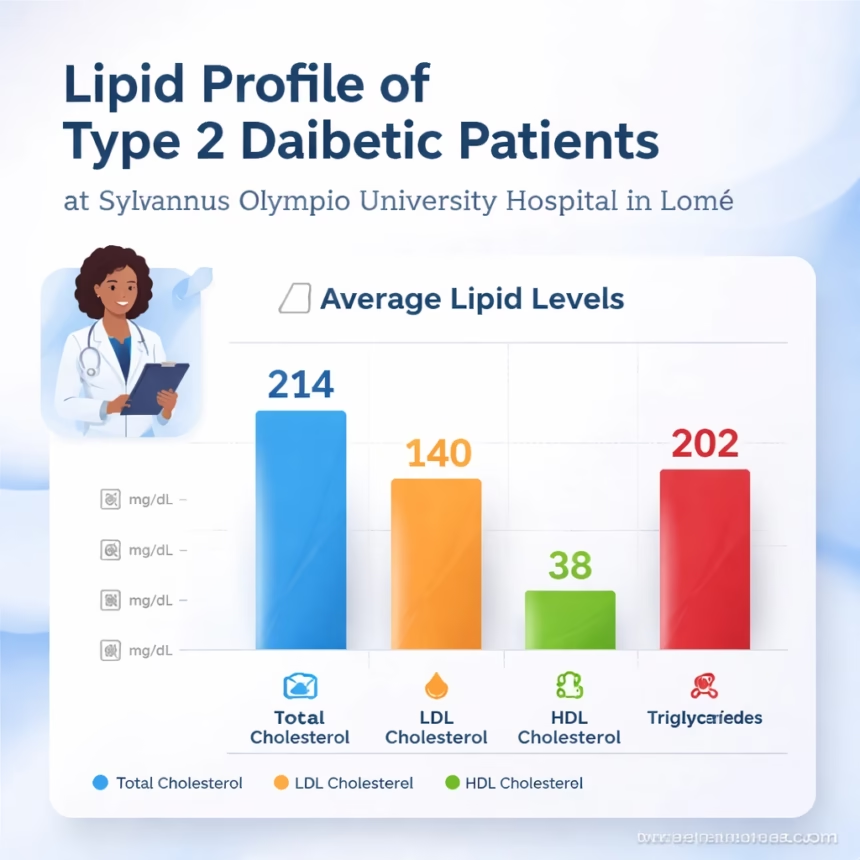
A recent comprehensive study conducted at Sylvanus Olympio University Hospital in Lome has revealed critical insights into the lipid profiles of Type 2 Diabetic patients, highlighting significant potential cardiovascular health risks within the capital's population. The findings, emerging from research initiated in late 2022 and recently analyzed, underscore an urgent need for revised management strategies and public health interventions for this vulnerable group in Togo.
Background: The Growing Shadow of Diabetes and Heart Disease
Type 2 Diabetes (T2D) has become a global health crisis, and West Africa, including Togo, is experiencing a rapid increase in its prevalence. The International Diabetes Federation estimates that over 21 million adults in the African region currently live with diabetes, a number projected to surge in the coming decades. A critical complication associated with T2D is dyslipidemia – an abnormal level of lipids (fats) in the blood – which significantly elevates the risk of cardiovascular diseases (CVD) such as heart attacks and strokes. Despite the known link, specific data on the lipid profiles of diabetic patients within Lome's unique socio-economic and dietary context has historically been limited, hindering targeted clinical and public health responses. This knowledge gap prompted the research team at Sylvanus Olympio University Hospital to undertake this pivotal study, aiming to provide localized evidence for better patient care.
Key Developments: Unveiling Lome’s Lipid Landscape
The study, led by the Department of Internal Medicine and Endocrinology at Sylvanus Olympio University Hospital, involved a cohort of 537 Type 2 Diabetic patients attending the outpatient clinics between November 2022 and July 2023. Participants underwent comprehensive clinical evaluations and fasting lipid profile assessments. The research aimed to characterize the prevalence and patterns of dyslipidemia among this specific patient population.
Prevalence of Dyslipidemia
The findings indicated a remarkably high prevalence of dyslipidemia, with a staggering 78.4% of the surveyed diabetic patients exhibiting at least one form of lipid abnormality. This figure is significantly higher than some international benchmarks and highlights a widespread issue within the Lome diabetic community.
Specific Lipid Abnormalities Identified
Further analysis detailed the specific lipid abnormalities observed: Elevated Triglycerides: 65.2% of patients presented with hypertriglyceridemia, defined as triglyceride levels exceeding 1.7 mmol/L (150 mg/dL). This is a strong independent predictor of cardiovascular risk.
Low High-Density Lipoprotein Cholesterol (HDL-C): 55.1% of patients had low HDL-C levels, often referred to as "good" cholesterol, with values below 1.0 mmol/L (40 mg/dL) for men and 1.3 mmol/L (50 mg/dL) for women. Low HDL-C is associated with an increased risk of atherosclerosis.
Elevated Low-Density Lipoprotein Cholesterol (LDL-C): 40.3% of the cohort showed elevated LDL-C levels, or "bad" cholesterol, exceeding 2.6 mmol/L (100 mg/dL), which is a primary target for lipid-lowering therapies in diabetic patients.
Mixed Dyslipidemia: A substantial proportion, 35.8%, exhibited a combination of high triglycerides and low HDL-C, a pattern frequently observed in insulin resistance and T2D, further escalating cardiovascular risk.
More Read

These findings suggest that while elevated LDL-C remains a concern, the more prevalent issues among Lome's diabetic population are high triglycerides and low HDL-C, indicating a specific phenotype of dyslipidemia that may require tailored therapeutic approaches. The study also noted that these lipid abnormalities were often present regardless of glycemic control, suggesting that blood sugar management alone might not be sufficient to address the lipid risks.
Impact: A Call for Urgent Action and Redefined Care
The implications of these findings are profound, extending across patient health, healthcare resource allocation, and public health policy in Togo. The high prevalence of dyslipidemia among Type 2 Diabetic patients in Lome directly translates to an elevated risk of cardiovascular events, potentially leading to increased morbidity and mortality within this population.
Patient Health and Quality of Life
For individual patients, uncontrolled dyslipidemia means a higher likelihood of developing atherosclerosis, which can lead to angina, heart attacks, strokes, and peripheral artery disease. These conditions severely impact quality of life, often resulting in long-term disability and dependence. Families bear the emotional and financial burden of caring for loved ones suffering from these preventable complications.
More Read

Strain on Healthcare System
The healthcare system at Sylvanus Olympio University Hospital and other facilities in Togo faces an increased strain. Managing acute cardiovascular events and chronic complications of CVD requires specialized equipment, trained personnel, and expensive medications, resources that are often limited. Early detection and aggressive management of dyslipidemia could potentially reduce hospitalizations and the need for complex interventions, freeing up vital resources.
Economic Burden
The economic impact is substantial. Beyond direct medical costs, there are indirect costs associated with lost productivity due to illness, disability, and premature death. For a developing nation like Togo, these losses can impede economic growth and development, affecting both individuals and the national economy.
Public Health Policy and Awareness
The study's results highlight a critical gap in current public health messaging and clinical guidelines. There is an urgent need to raise awareness among both patients and healthcare providers about the importance of lipid management alongside glycemic control. Current dietary recommendations and lifestyle interventions may need to be re-evaluated to specifically target the prevalent lipid abnormalities identified.
What Next: Charting a Course for Healthier Outcomes
The research team at Sylvanus Olympio University Hospital has outlined several key recommendations and expected milestones based on their findings, aiming to transform diabetes care in Lome and potentially across Togo.
Revision of Clinical Guidelines
The immediate priority is to advocate for the revision of national clinical guidelines for Type 2 Diabetes management. These updated guidelines should place a stronger emphasis on routine lipid screening and aggressive management of dyslipidemia, particularly focusing on triglycerides and HDL-C levels, in addition to LDL-C.
Enhanced Screening and Monitoring Programs
Implementation of enhanced, accessible lipid screening programs for all Type 2 Diabetic patients is crucial. This includes regular monitoring, not just at diagnosis, but as an ongoing component of diabetes care. Point-of-care testing could be explored to improve accessibility in remote areas.
More Read

Targeted Patient Education and Lifestyle Interventions
Public health campaigns and patient education initiatives must be developed to inform diabetic patients about the risks associated with dyslipidemia and the benefits of lifestyle modifications. These interventions should be culturally sensitive and practically implementable within the Togolese context, focusing on:
Dietary modifications: Emphasizing reduced intake of refined carbohydrates and unhealthy fats, and increased consumption of fiber-rich foods, fruits, and vegetables.
Regular physical activity: Promoting achievable exercise routines tailored to different age groups and physical capabilities.
Smoking cessation: Reinforcing the critical link between smoking and exacerbated cardiovascular risk.
Healthcare Provider Training and Capacity Building
Healthcare professionals, including general practitioners, nurses, and dietitians, require updated training on the latest evidence-based approaches to dyslipidemia management in diabetic patients. This includes understanding new therapeutic options and effective patient counseling techniques.
Further Research and Longitudinal Studies
The study also calls for further research, including longitudinal studies to track the progression of dyslipidemia and its impact on cardiovascular outcomes over time. Intervention studies are also needed to evaluate the effectiveness of various treatment strategies in the Togolese population. Collaboration with national and international research bodies will be vital to expand this knowledge base.

Policy Advocacy and Resource Allocation
Advocacy efforts will be directed towards the Ministry of Health to ensure adequate allocation of resources for lipid-lowering medications, diagnostic tools, and public health programs. Integrating lipid management into primary healthcare services will be essential for widespread impact.
The study from Sylvanus Olympio University Hospital serves as a critical wake-up call, providing actionable data that can shape the future of diabetes and cardiovascular care in Lome. By addressing these alarming lipid trends proactively, Togo can work towards mitigating the silent threat of heart disease among its diabetic population, fostering healthier communities for years to come.