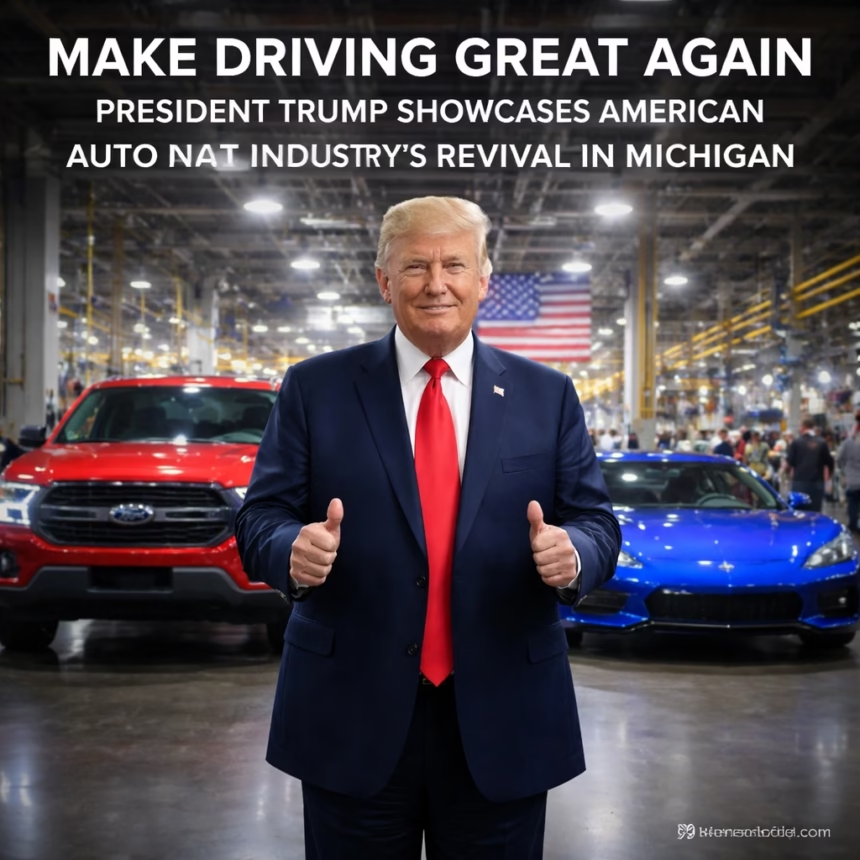
President Donald Trump visited Michigan on Thursday to highlight the resurgence of the American auto industry, celebrating job growth and manufacturing investments in the state. The event underscored the administration’s focus on revitalizing domestic manufacturing, with Trump touting the return of auto jobs and new plant expansions.
Background
Michigan, long considered the heart of the U.S. auto industry, has seen significant shifts in recent years. The state faced plant closures and job losses during the 2008 financial crisis, but a gradual recovery began during the Obama administration, aided by government bailouts and incentives.
Since taking office, the Trump administration has emphasized deregulation and tax reforms, which it argues have spurred business investment. Auto manufacturers, in particular, have announced billions in new investments and job creation, citing improved economic conditions and consumer confidence.
Key Developments
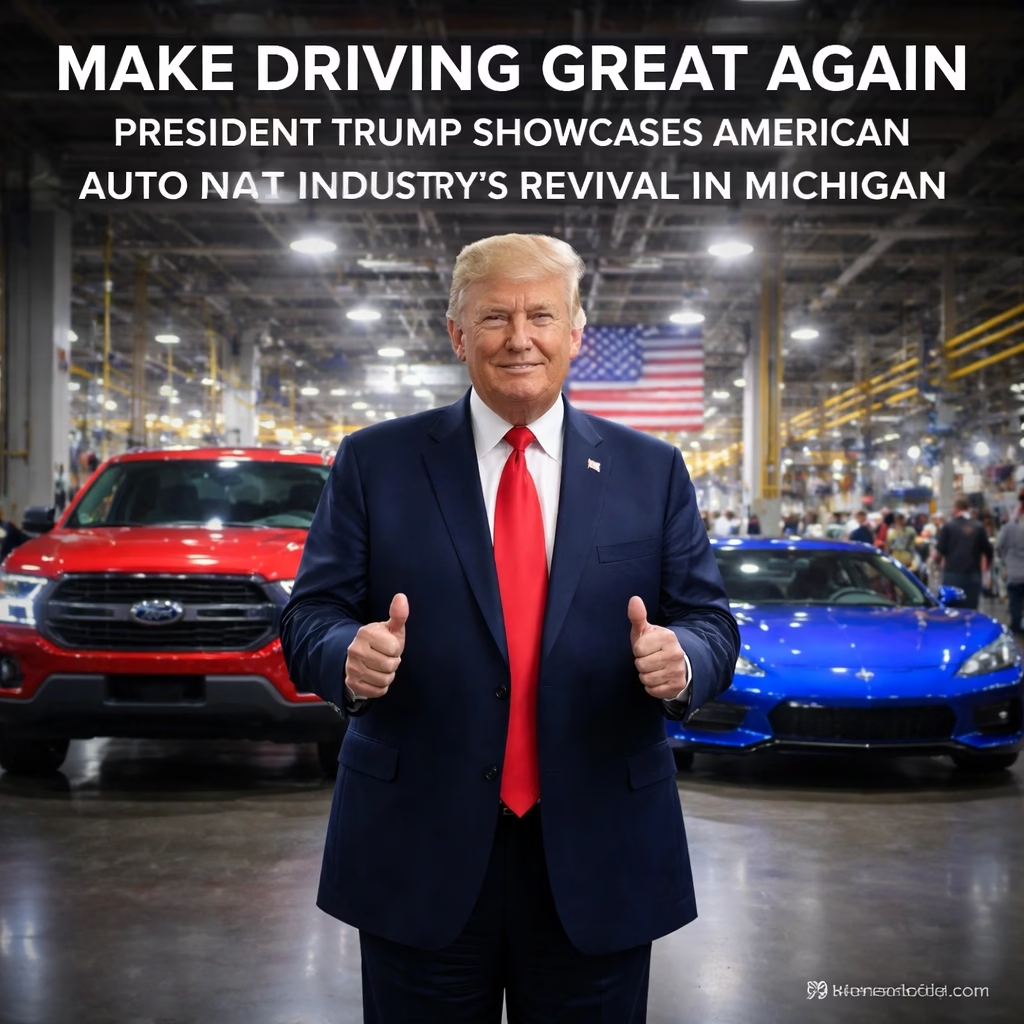
During his visit, Trump highlighted recent announcements by major automakers, including General Motors (GM) and Ford, which have pledged to build new plants and hire thousands of workers. GM, for instance, announced a $300 million investment in its Flint assembly plant, while Ford revealed plans to expand production in Michigan.

Trump also praised the administration’s rollback of environmental regulations, such as the Corporate Average Fuel Economy (CAFE) standards, which he claims have reduced burdens on automakers. Critics, however, argue that these changes could undermine long-term environmental goals.
Impact
The auto industry’s revival has had a direct impact on Michigan’s economy, with thousands of new jobs created and local suppliers benefiting from increased production. Workers in cities like Flint and Detroit have seen wages rise, though some union leaders warn that job security remains a concern.
Nationally, the auto sector’s growth has contributed to a broader manufacturing rebound, with other industries following suit. However, the shift toward electric vehicles and autonomous driving technology poses new challenges, with some analysts questioning whether domestic plants will remain competitive.
More Read

What Next
With the 2020 election approaching, Trump’s focus on manufacturing and jobs in key states like Michigan could play a pivotal role in his re-election campaign. The administration is expected to continue pushing for policies that support traditional auto manufacturing, while automakers navigate the transition to cleaner, high-tech vehicles.
As the industry evolves, Michigan’s workers and businesses will need to adapt, balancing the benefits of new investments with the challenges of an ever-changing global market.