Ancient Ocean 'Salty Blob' Reveals Climate Change Secrets
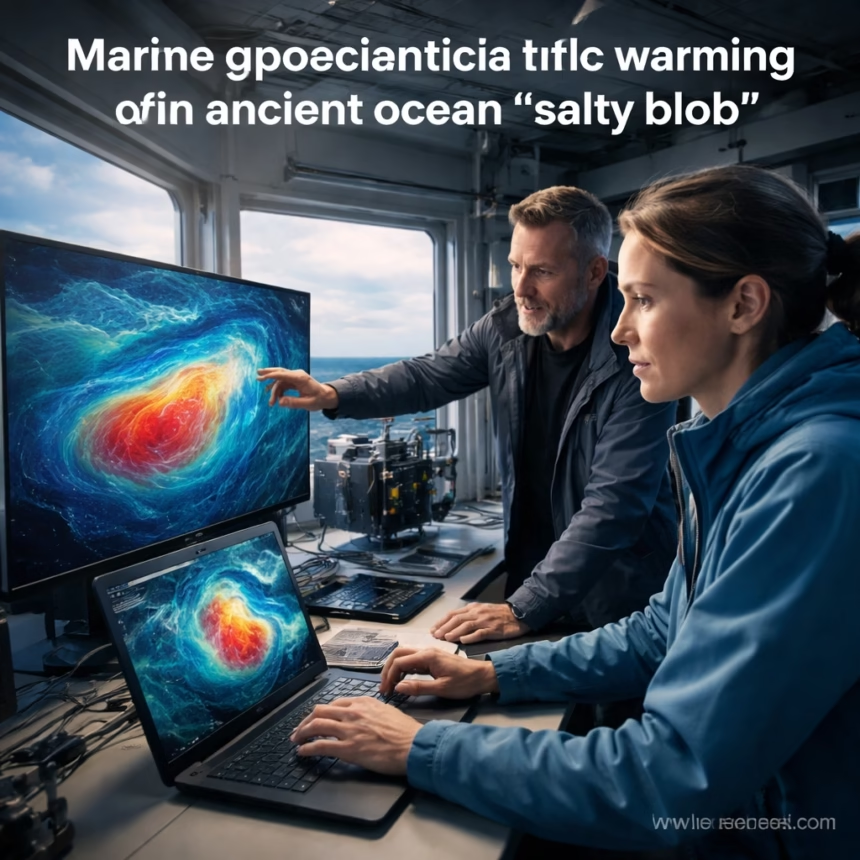
Marine geoscientists have uncovered a startling discovery about Earth's ancient oceans, linking a mysterious "salty blob" to past warming events. The findings, published in a recent study, suggest that similar conditions could emerge as modern climate change accelerates.
Background: The Search for Climate Clues
The research team, led by Dr. Jane Thompson of the University of California, focused on a 56 million-year-old geologic period known as the Paleocene-Eocene Thermal Maximum (PETM). This era witnessed rapid global warming, with temperatures rising by 5-8°C (9-14°F) over a few thousand years.
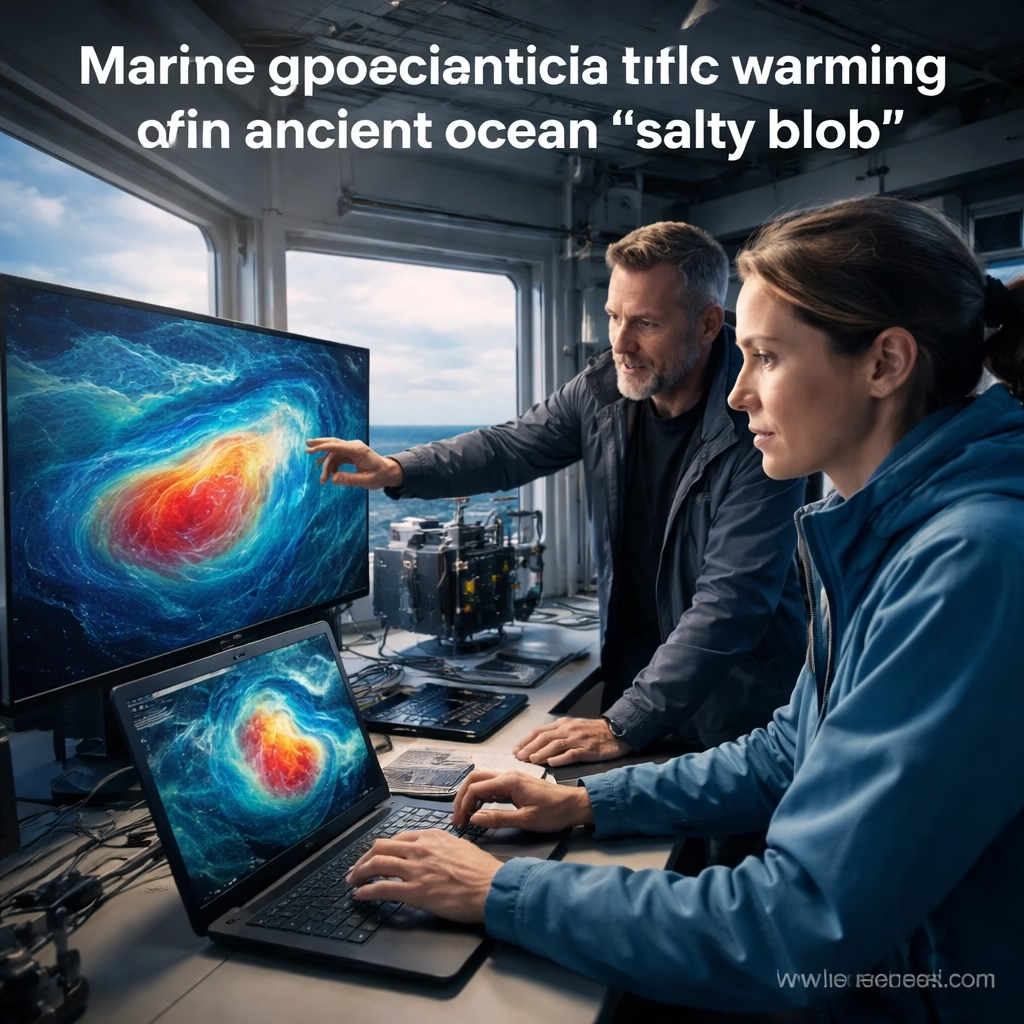
By analyzing sediment cores from the Atlantic Ocean, the scientists identified a distinct "salty blob" in the deep waters. This zone, rich in dissolved salts, provided critical insights into ocean circulation patterns during the PETM.
Key Developments: Breaking Down the ‘Salty Blob’
The study revealed that the "salty blob" formed due to a combination of factors. Increased freshwater input from melting ice sheets disrupted normal ocean currents, while higher temperatures intensified evaporation, leading to increased salinity in certain regions.
More Read

"What’s striking is how similar these processes are to what we’re seeing today with modern climate change," said Dr. Thompson. "The oceans are absorbing vast amounts of heat and changing their circulation patterns, which could have significant consequences."
Impact: A Warning for the Present
The findings serve as a stark warning for contemporary climate models. If current warming trends continue, similar disruptions in ocean circulation could alter marine ecosystems, affect global weather patterns, and accelerate sea-level rise.
Marine life, particularly species sensitive to temperature and salinity changes, could face habitat loss. Coastal communities may also experience more severe storms and flooding due to altered ocean currents.
More Read

What Next: Preparing for Future Changes
Researchers emphasize the need for further studies to better understand the long-term impacts of such oceanic changes. Policymakers and scientists are urged to integrate these findings into climate adaptation strategies to mitigate potential risks.
The study underscores the urgency of addressing climate change, highlighting the crucial role of oceans in regulating Earth's climate. As the planet warms, the lessons from the past become increasingly relevant for our future.