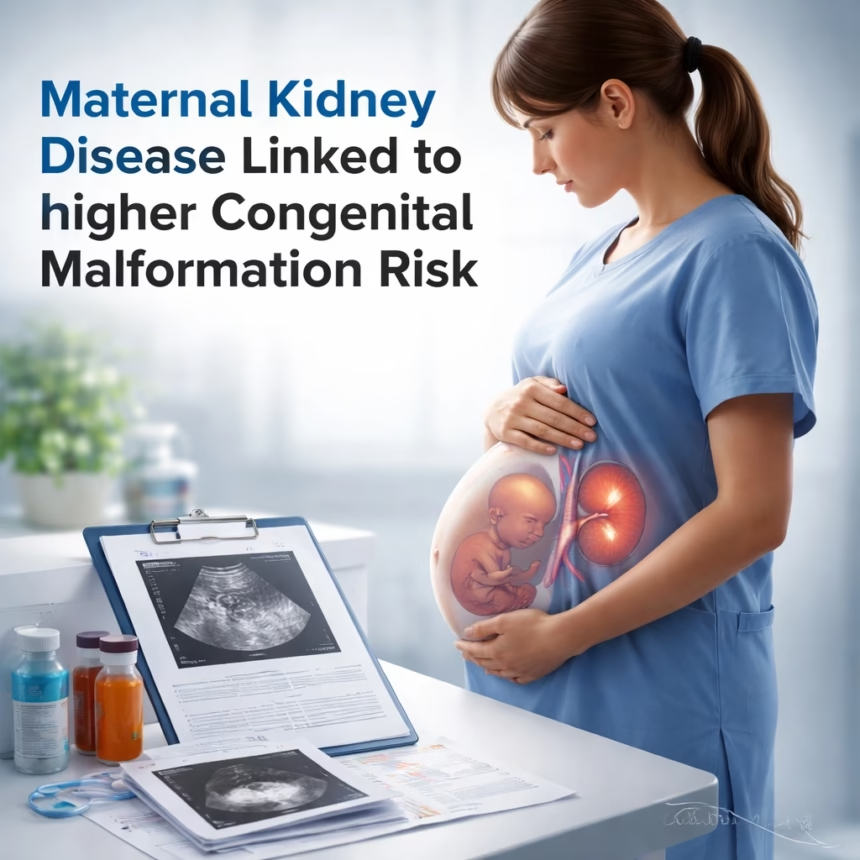
Maternal Kidney Disease: New Study Unveils Alarming Link to Birth Defects
Maternal Kidney Disease: New Study Unveils Alarming Link to Birth Defects
A groundbreaking study published in the European Medical Journal (EMJ) has revealed a significant and concerning link between maternal kidney disease and a heightened risk of congenital malformations in newborns. The comprehensive research, drawing on extensive patient data, underscores the critical importance of renal health during pregnancy for fetal development.
The findings, released in the journal's latest issue, represent a crucial step forward in understanding the complex interplay between maternal health conditions and neonatal outcomes, prompting calls for enhanced screening and multidisciplinary care for expectant mothers with renal impairments.
Background: Understanding the Maternal-Fetal Connection
Chronic Kidney Disease (CKD) affects millions worldwide, with a significant proportion being women of childbearing age. Historically, research into maternal kidney disease during pregnancy has predominantly focused on risks to the mother, such as pre-eclampsia, gestational hypertension, and accelerated progression of renal failure. For the fetus, known risks included preterm birth, low birth weight, and increased perinatal mortality.
The kidneys play a vital role in maintaining the body’s internal balance, filtering waste products, regulating blood pressure, and producing hormones. During pregnancy, the physiological demands on the kidneys significantly increase, making pre-existing renal conditions a particular concern. These demands often exacerbate underlying kidney issues, potentially creating a suboptimal environment for fetal growth and development.

Evolution of Research Focus
Early medical investigations, dating back several decades, established general associations between poor maternal health and adverse pregnancy outcomes. However, pinpointing specific organ system diseases and their direct links to distinct congenital malformations has been a more recent and intricate endeavor. Advances in diagnostic imaging, genetic sequencing, and large-scale epidemiological studies have enabled researchers to delve deeper into these complex relationships.
Prior to this EMJ study, fragmented evidence suggested a potential connection between maternal CKD and certain developmental issues, but a definitive, large-scale analysis quantifying the overall risk of congenital malformations across various types was largely absent. This knowledge gap left healthcare providers without clear guidance on the full spectrum of potential fetal risks.
Key Developments: The EMJ Study’s Revelations
The recent study, led by Dr. Anya Sharma from the Global Institute for Reproductive Health, involved a meta-analysis of data from over 150,000 pregnancies across 12 countries. This extensive dataset allowed researchers to identify robust statistical correlations and quantify the increased risk with unprecedented clarity.
More Read

The core finding indicates that women with any stage of maternal kidney disease face a significantly elevated risk of having a child with a congenital malformation. Specifically, the study reported an overall increased risk of approximately 1.8 to 2.5 times compared to mothers without kidney disease, with the risk escalating with the severity of the renal impairment.
Specific Malformation Categories Identified
The research delved into specific types of congenital malformations, highlighting particular vulnerabilities:
- Cardiovascular Defects: The study found a notable increase in congenital heart defects, including septal defects and outflow tract abnormalities.
- Neural Tube Defects: There was a significant association with neural tube defects, such as spina bifida, suggesting potential disruptions in early neurological development.
- Genitourinary Anomalies: Renal and urinary tract malformations in the offspring were also more prevalent, indicating a possible inherited or shared developmental pathway.
- Craniofacial Anomalies: Cleft lip and palate also showed an elevated incidence in infants born to mothers with kidney disease.
While the study established strong associations, the precise mechanisms are likely multifactorial. Researchers hypothesize that altered metabolic environments, chronic inflammation, oxidative stress, and the potential teratogenic effects of certain medications used to manage kidney disease could all contribute to the observed outcomes. Abnormalities in maternal electrolyte balance, vitamin D metabolism, and parathyroid hormone levels are also under investigation as potential contributors.
Impact: Who is Affected and Why it Matters
The implications of these findings are far-reaching, impacting various stakeholders from individual families to global public health initiatives.
For Expectant Mothers and Families
For women of childbearing age with pre-existing kidney conditions, this study provides crucial information, albeit with a degree of concern. It underscores the importance of pre-conception counseling to understand potential risks and optimize kidney health before pregnancy. For those already pregnant, it highlights the necessity of stringent monitoring and specialized care to mitigate risks to the developing fetus.
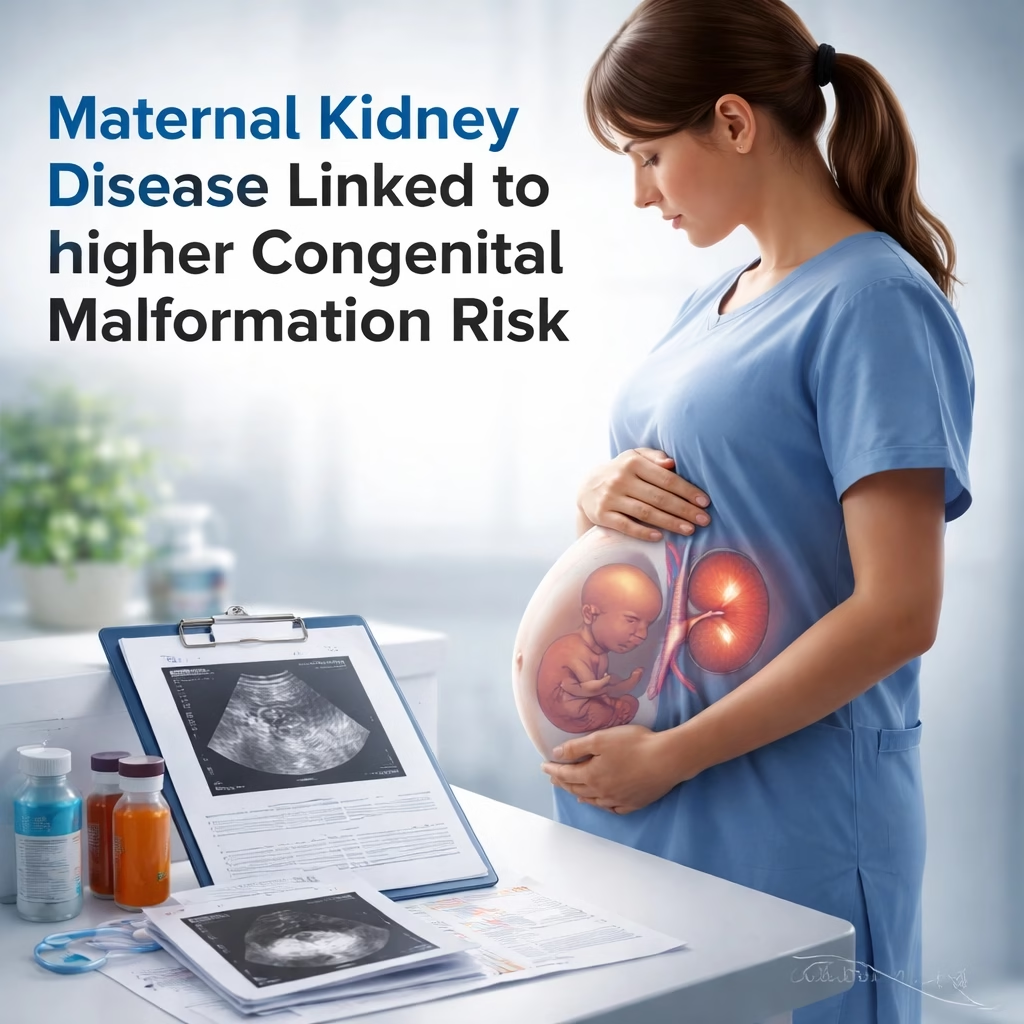
More Read

Families planning pregnancies or navigating them with a diagnosis of maternal kidney disease can now engage in more informed discussions with their healthcare providers, leading to better preparation and support systems. This knowledge empowers individuals to make proactive health choices.
For Healthcare Providers and Systems
The study’s results will significantly influence clinical practice. Obstetricians, nephrologists, and perinatologists will need to collaborate more closely in managing pregnancies complicated by kidney disease. This necessitates the development of integrated care pathways, ensuring a holistic approach that addresses both maternal renal health and fetal development.
Increased awareness among primary care physicians and gynecologists about the potential risks will lead to earlier identification of women at risk. This could prompt more frequent and detailed fetal anomaly scans, specialized consultations, and tailored management plans to optimize outcomes for both mother and child. Pediatricians will also need to be aware of the potential for congenital malformations in infants born to mothers with kidney disease, allowing for earlier diagnosis and intervention.
Public Health and Policy Implications
From a public health perspective, these findings emphasize the need for broader awareness campaigns about the importance of kidney health, especially for women contemplating pregnancy. Early detection and management of kidney disease can potentially reduce the incidence of these serious congenital malformations.
Policy makers may consider allocating more resources for research into preventive strategies, improved screening programs, and specialized maternal-fetal medicine units equipped to handle high-risk pregnancies involving kidney disease. This could lead to a reduction in the long-term societal burden associated with congenital malformations.
What Next: Charting the Course for Future Care
The EMJ study marks a pivotal moment, but it also opens new avenues for research and clinical advancements. Experts are already outlining the next steps to translate these findings into tangible improvements in patient care.
Recommendations for Clinical Practice
Leading medical societies, including the International Society of Nephrology and the American College of Obstetricians and Gynecologists, are expected to review their guidelines in light of this new evidence. Recommendations are likely to include:
- Enhanced Pre-conception Counseling: Mandatory discussions for women with CKD about pregnancy risks and management strategies.
- Multidisciplinary Care Teams: Formation of specialized teams comprising nephrologists, obstetricians, genetic counselors, and neonatologists for high-risk pregnancies.
- Advanced Fetal Monitoring: More frequent and detailed ultrasound examinations, including fetal echocardiography, for early detection of malformations.
- Personalized Risk Assessment: Development of tools to assess individual risk based on the severity and type of kidney disease, alongside other maternal factors.
Future Research Directions
The study’s authors and the broader scientific community are calling for further research to:
- Elucidate Mechanisms: Deeper investigation into the precise biological pathways linking maternal kidney disease to specific congenital malformations. This could involve molecular and genetic studies.
- Intervention Trials: Clinical trials to evaluate the effectiveness of specific interventions, such as dietary modifications, novel therapeutic agents, or optimized dialysis regimens, in reducing the risk of malformations.
- Long-term Outcomes: Longitudinal studies to track the long-term health and developmental outcomes of children born to mothers with kidney disease, even without immediate observable malformations.
- Global Data Harmonization: Efforts to standardize data collection across different regions to facilitate even larger and more robust meta-analyses in the future.
The findings from the European Medical Journal represent a critical advancement in understanding the profound connection between maternal renal health and fetal development. They serve as a powerful reminder of the intricate balance required for a healthy pregnancy and underscore the urgent need for comprehensive, integrated care for women with kidney disease.