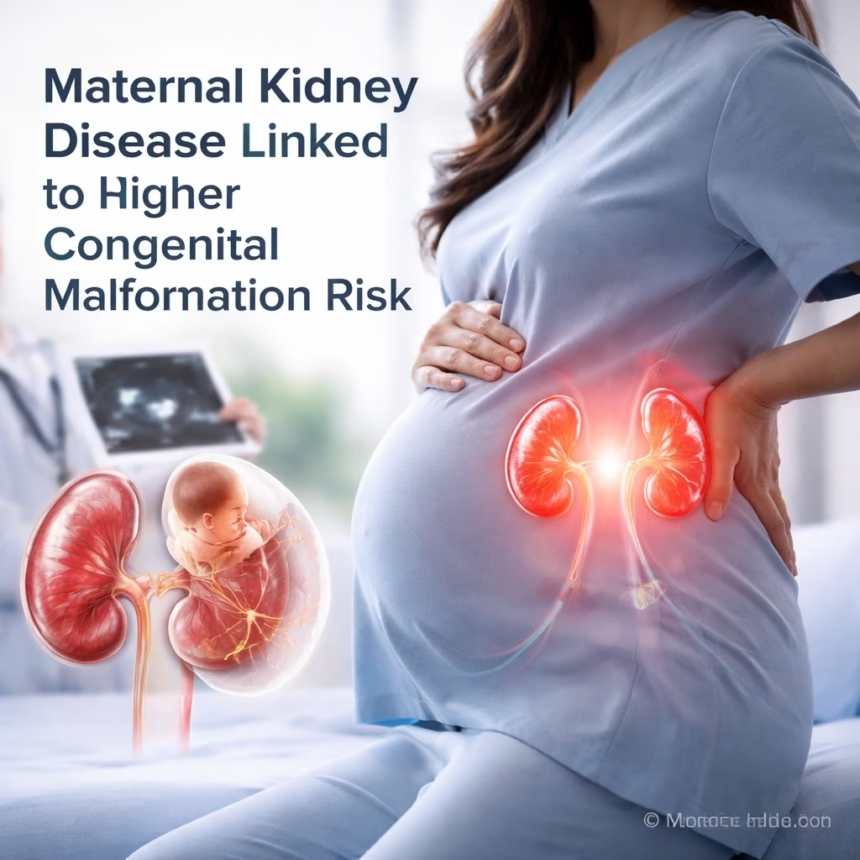
A groundbreaking study published recently in the European Medical Journal (EMJ) has unveiled a significant association between maternal kidney disease and an elevated risk of congenital malformations in offspring. This critical finding sheds new light on prenatal health considerations, urging a reevaluation of care for expectant mothers with renal conditions globally.
Background on Maternal and Fetal Health
Congenital malformations, often referred to as birth defects, are structural or functional abnormalities that occur during fetal development, affecting approximately 3-6% of live births worldwide. These conditions can range from minor to severe, impacting quality of life and sometimes requiring extensive medical intervention or lifelong care. Historically, known risk factors have included genetic predispositions, exposure to certain infections, environmental toxins, and specific medications during pregnancy.
Maternal kidney disease encompasses a spectrum of conditions, from chronic kidney disease (CKD) to acute kidney injury (AKI), and can also include conditions like proteinuria or hypertension originating from renal dysfunction. CKD affects a significant number of women of childbearing age, with prevalence estimates varying but often cited between 1-3% globally, though milder forms may be underdiagnosed. Pregnancy itself can put additional strain on the kidneys, potentially exacerbating pre-existing conditions or unmasking latent ones.
For decades, medical science has understood that severe maternal health issues can influence fetal development. Conditions like uncontrolled diabetes, hypertension, and certain autoimmune diseases have long been recognized as increasing the risk of adverse pregnancy outcomes, including malformations. However, the specific, direct link between maternal kidney disease severity and the incidence of congenital malformations has remained less comprehensively understood, often conflated with co-occurring conditions. Previous research hinted at associations, but a definitive, large-scale analysis was largely absent until now.
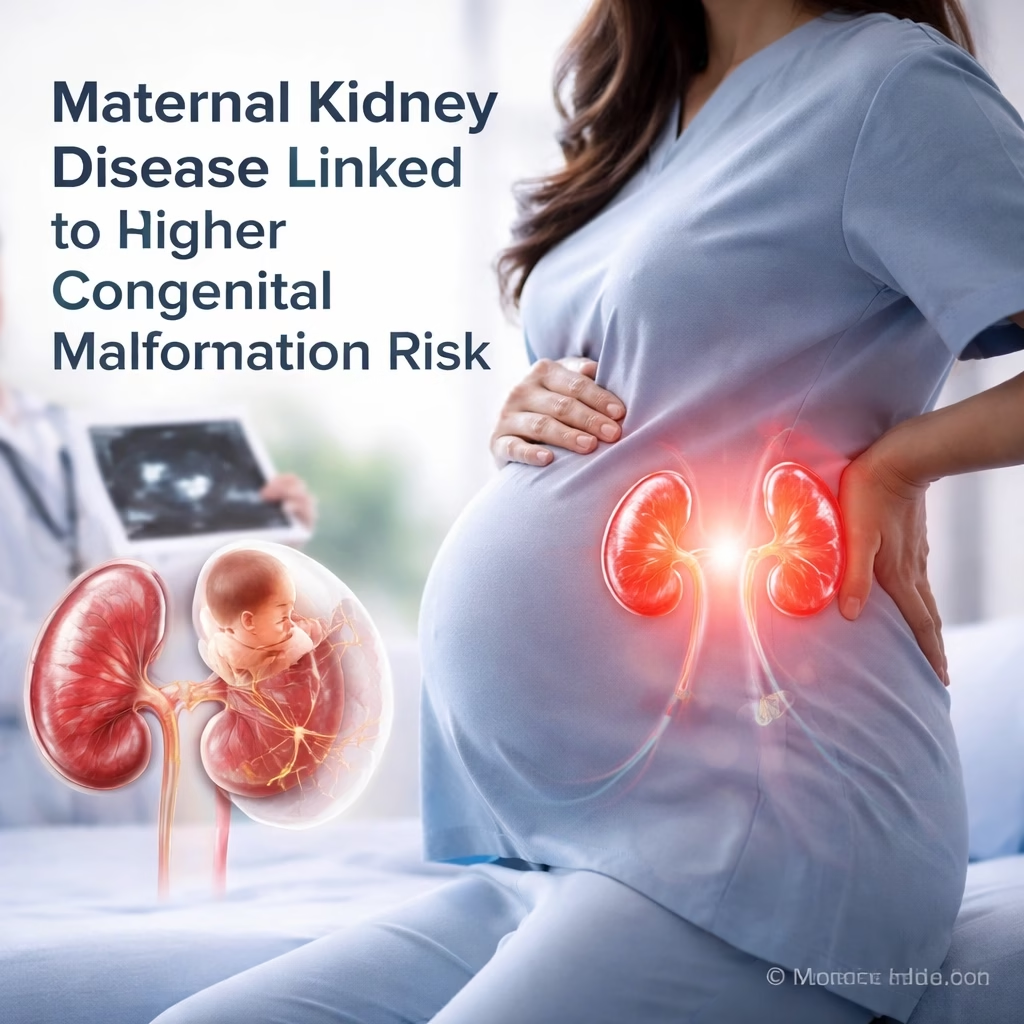

Key Developments in Research
The recent EMJ publication represents a significant leap forward in understanding this complex relationship. The study, a comprehensive meta-analysis drawing data from multiple international cohorts, meticulously analyzed outcomes for thousands of pregnancies involving mothers with various forms of kidney disease. This robust methodology allowed researchers to identify patterns and quantify risks with unprecedented precision.
Quantifying the Risk
The findings were stark: mothers with pre-existing kidney disease faced a substantially higher risk of their offspring developing congenital malformations compared to those without renal impairment. The study indicated an increased risk factor, with some analyses suggesting up to a two to three-fold elevation, depending on the severity and type of maternal kidney disease. This elevated risk was independent of other common confounding factors such as maternal age, diabetes, or hypertension, suggesting a direct link.
Specific Malformations Identified
While the study noted a general increase across various types of malformations, particular attention was drawn to a higher incidence of cardiac defects, genitourinary abnormalities, and neural tube defects. These specific patterns suggest potential underlying mechanisms linked to renal dysfunction, such as altered metabolic pathways, chronic inflammation, or imbalances in crucial growth factors during early fetal development. The research also highlighted that the use of certain nephrotoxic medications, while necessary for some kidney conditions, could contribute to this risk, though the primary association remained even when accounting for medication exposure.
More Read

Unraveling Potential Mechanisms
Researchers hypothesize several pathways through which maternal kidney disease might influence fetal development. Chronic inflammation, a hallmark of many kidney diseases, could create an unfavorable intrauterine environment. Uremic toxins, which accumulate in the blood due to impaired kidney function, may directly harm embryonic cells. Furthermore, imbalances in electrolytes, hormones, and nutrient absorption, common in kidney disease, could disrupt critical developmental processes. The study emphasized the need for further mechanistic research to precisely pinpoint these biological pathways.
Impact on Patients and Healthcare
This new evidence carries profound implications for expectant mothers with kidney disease, their families, and the healthcare systems supporting them. It underscores the necessity for heightened awareness and specialized care throughout the preconception and prenatal periods.
For Expectant Mothers and Families
For women of childbearing age diagnosed with kidney disease, these findings introduce a new layer of consideration when planning a family. It necessitates thorough pre-conception counseling, where potential risks can be discussed openly with medical professionals. During pregnancy, it means more intensive monitoring, not just of maternal renal function but also of fetal development, through advanced imaging techniques and regular screenings. Families may face increased emotional stress and the need for more complex decision-making regarding care pathways.
Implications for Healthcare Providers
The study calls for enhanced collaboration between nephrologists, obstetricians, and pediatric specialists. Multidisciplinary teams will become even more crucial in managing these high-risk pregnancies. Nephrologists must be acutely aware of the potential impact of kidney disease on fetal outcomes, while obstetricians need to be equipped to screen for, identify, and manage pregnancies complicated by maternal renal dysfunction. Pediatricians and neonatologists must be prepared for the increased likelihood of caring for infants born with congenital anomalies.
Policy and Public Health Considerations
From a public health perspective, the findings may influence the development of new clinical guidelines for managing pregnancy in women with kidney disease. It could also prompt public awareness campaigns to educate women about the importance of kidney health, especially when planning pregnancy. Early detection and management of kidney disease, even in its milder forms, might become a more significant focus in reproductive health strategies.
What Comes Next: Milestones and Future Directions
The publication in EMJ is not an endpoint but a catalyst for further action and research. The medical community is now poised to translate these findings into tangible improvements in patient care and health outcomes.
More Read

Revised Clinical Guidelines
A key expected milestone is the revision and development of new clinical guidelines by leading medical organizations, such as the American Society of Nephrology, the European Renal Association, and various obstetrics and gynecology societies. These guidelines will likely recommend more rigorous pre-conception risk assessments, enhanced prenatal screening protocols for fetal anomalies, and individualized management plans tailored to the severity of maternal kidney disease. They may also address the careful selection and dosing of medications during pregnancy to minimize fetal risk while maintaining maternal renal health.
Focused Research Initiatives
The study highlights critical gaps in understanding the precise mechanisms linking maternal kidney disease to congenital malformations. Future research will undoubtedly focus on these areas, including large-scale prospective cohort studies to track pregnancies from their earliest stages, molecular and genetic studies to identify specific biomarkers of risk, and interventional trials to test novel therapeutic strategies aimed at mitigating the risk of malformations. Understanding the long-term neurodevelopmental and health outcomes of children born to mothers with kidney disease will also be a vital area of inquiry.
Enhanced Training and Education
Medical education and professional development programs will need to adapt to integrate these new findings. Training for medical residents and practicing physicians in nephrology, obstetrics, and pediatrics will likely emphasize interdisciplinary care models and the latest evidence-based practices for managing high-risk pregnancies involving maternal kidney disease. Public health campaigns will also play a role in empowering women with knowledge to advocate for their health.
Ultimately, this significant research provides a critical foundation for improving the health and well-being of both mothers with kidney disease and their future children. The path forward involves a concerted effort across research, clinical practice, and public health to ensure that every pregnancy has the best possible outcome.