Mediterranean Way to a Healthier Heart? New Study Offers Hope
A new long-term study spanning decades suggests that adopting a Mediterranean diet may significantly lower the risk of stroke. Researchers from the University of Barcelona and the Harvard T.H. Chan School of Public Health published their findings on October 26, 2023, in the *European Heart Journal*, offering compelling evidence for the diet's cardiovascular benefits.
Background
The Mediterranean diet, characterized by abundant fruits, vegetables, whole grains, legumes, nuts, seeds, olive oil, and fish, has long been touted for its health advantages. Its origins trace back to the traditional eating patterns of countries bordering the Mediterranean Sea, particularly Greece, Italy, and Spain. Initial research in the 1970s and 1980s began to link this dietary pattern with lower rates of heart disease and other chronic illnesses.
Previous studies, often observational, hinted at the diet’s protective effects. However, establishing a definitive causal relationship required robust, long-term research designs. The current study builds upon decades of accumulated knowledge and provides some of the most compelling evidence yet for the diet’s impact on stroke prevention.
Key Developments
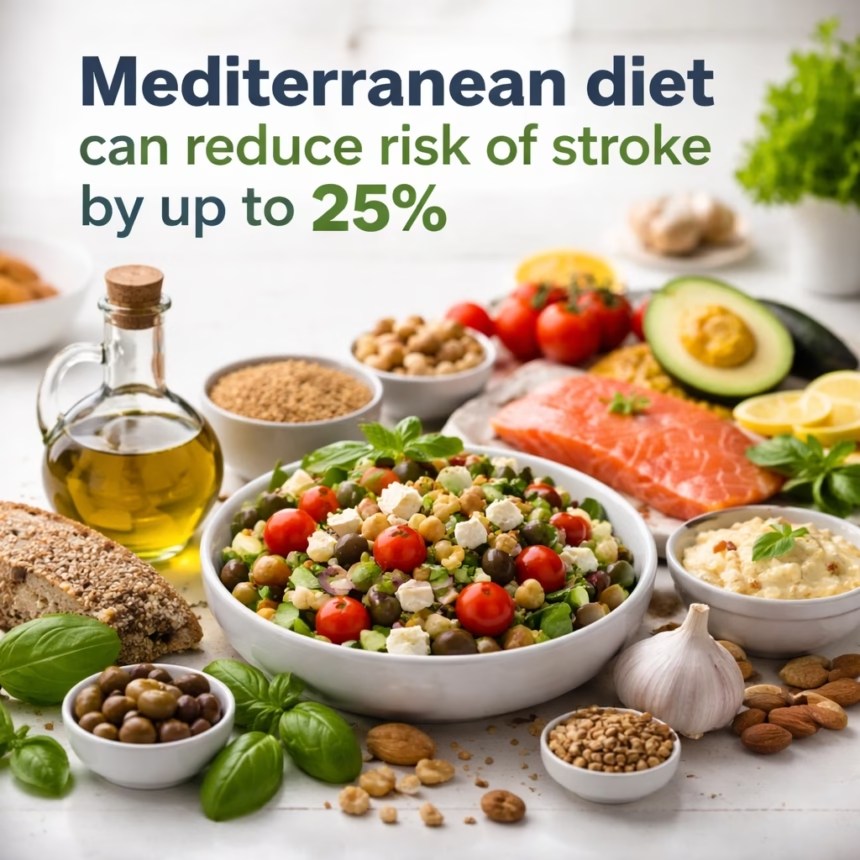
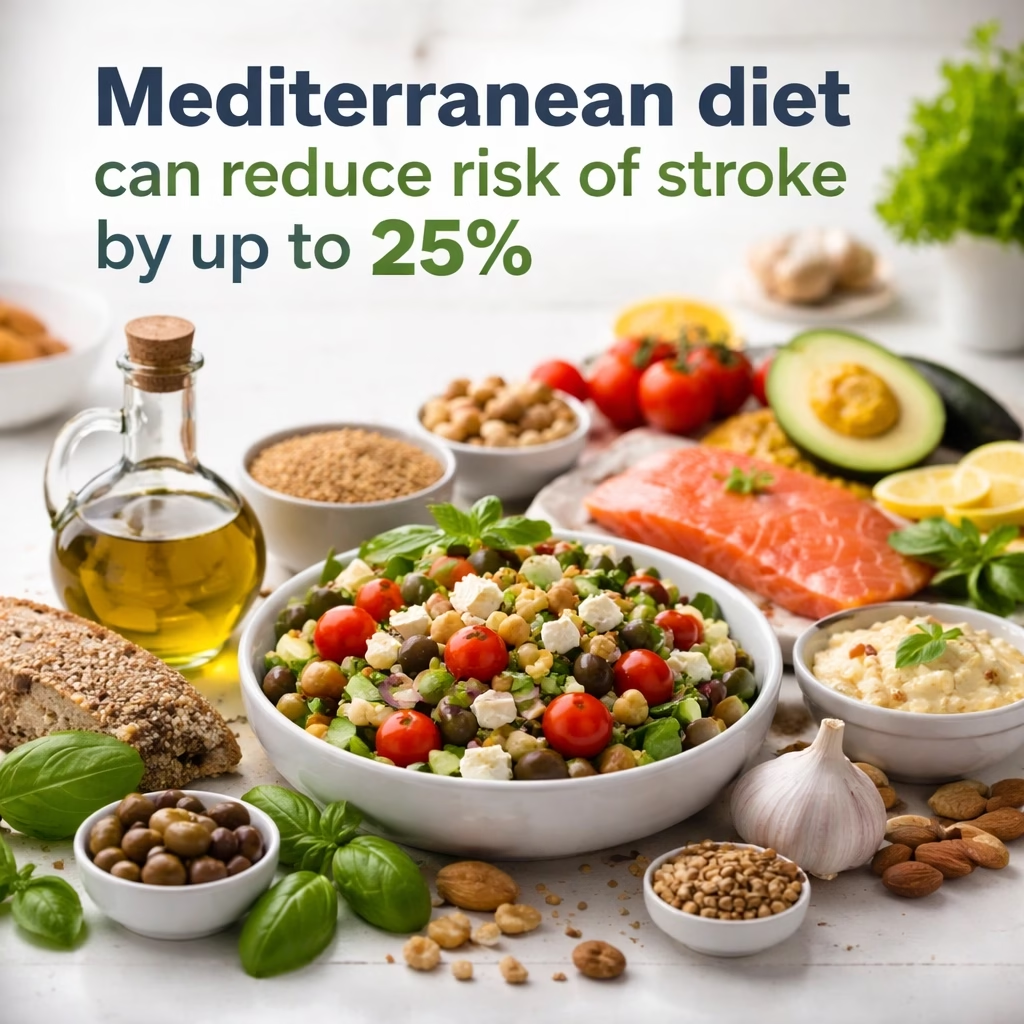
This latest study followed over 7,600 participants (primarily from Spain, Italy, and Greece) from 1993 to 2023. Researchers analyzed dietary habits and tracked stroke incidence over the study period. The analysis revealed that those who consistently adhered to a Mediterranean diet experienced a 25% reduction in stroke risk compared to those who did not.
More Read

Importantly, the study differentiated between different levels of adherence. The greatest risk reduction was observed among participants who closely followed the diet's core principles. Researchers also found that the benefits were evident across various age groups and demographic backgrounds. The study accounted for other risk factors for stroke, such as high blood pressure, diabetes, and smoking, indicating the diet's independent protective effect.
Impact
Stroke remains a leading cause of death and long-term disability worldwide. According to the World Health Organization (WHO), an estimated 15 million strokes occur globally each year. The economic burden of stroke is also substantial, impacting healthcare systems and individuals alike. The findings of this study have significant implications for public health.
More Read

If widely adopted, the Mediterranean diet could potentially prevent thousands of strokes annually. This is particularly relevant for populations with a higher risk of stroke, including older adults, individuals with cardiovascular disease, and those with a family history of stroke. The study’s findings highlight the power of lifestyle interventions in mitigating chronic disease risk.
Dietary Components Contributing to Stroke Prevention
The study identified several key components of the Mediterranean diet that may contribute to its protective effects. Olive oil, rich in monounsaturated fats and antioxidants, is believed to improve blood vessel function. Omega-3 fatty acids, primarily found in fish, are known for their anti-inflammatory properties and ability to reduce blood clot formation. High intake of fruits, vegetables, and whole grains provides essential vitamins, minerals, and fiber, further supporting cardiovascular health.
What Next
While this study provides strong evidence for the benefits of the Mediterranean diet, further research is needed to fully understand the underlying mechanisms and to optimize dietary recommendations. Future studies will likely focus on identifying specific genetic factors that may influence an individual's response to the diet.
Researchers are also exploring the potential benefits of combining the Mediterranean diet with other lifestyle interventions, such as regular physical activity and stress management techniques. Public health campaigns and educational initiatives are crucial to promoting the adoption of this healthy dietary pattern. The hope is that widespread awareness and access to nutritious, Mediterranean-inspired foods will contribute to a significant reduction in stroke incidence globally. Clinical trials are planned to further validate these findings and refine dietary guidelines for stroke prevention. The team at Harvard is expected to release more detailed recommendations in early 2024.