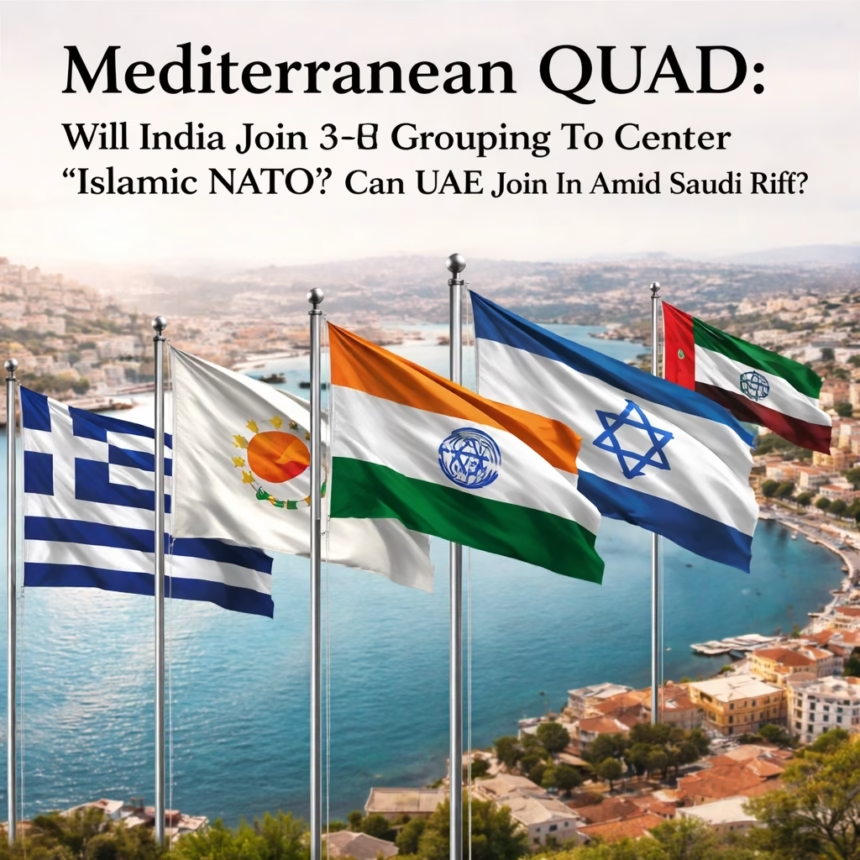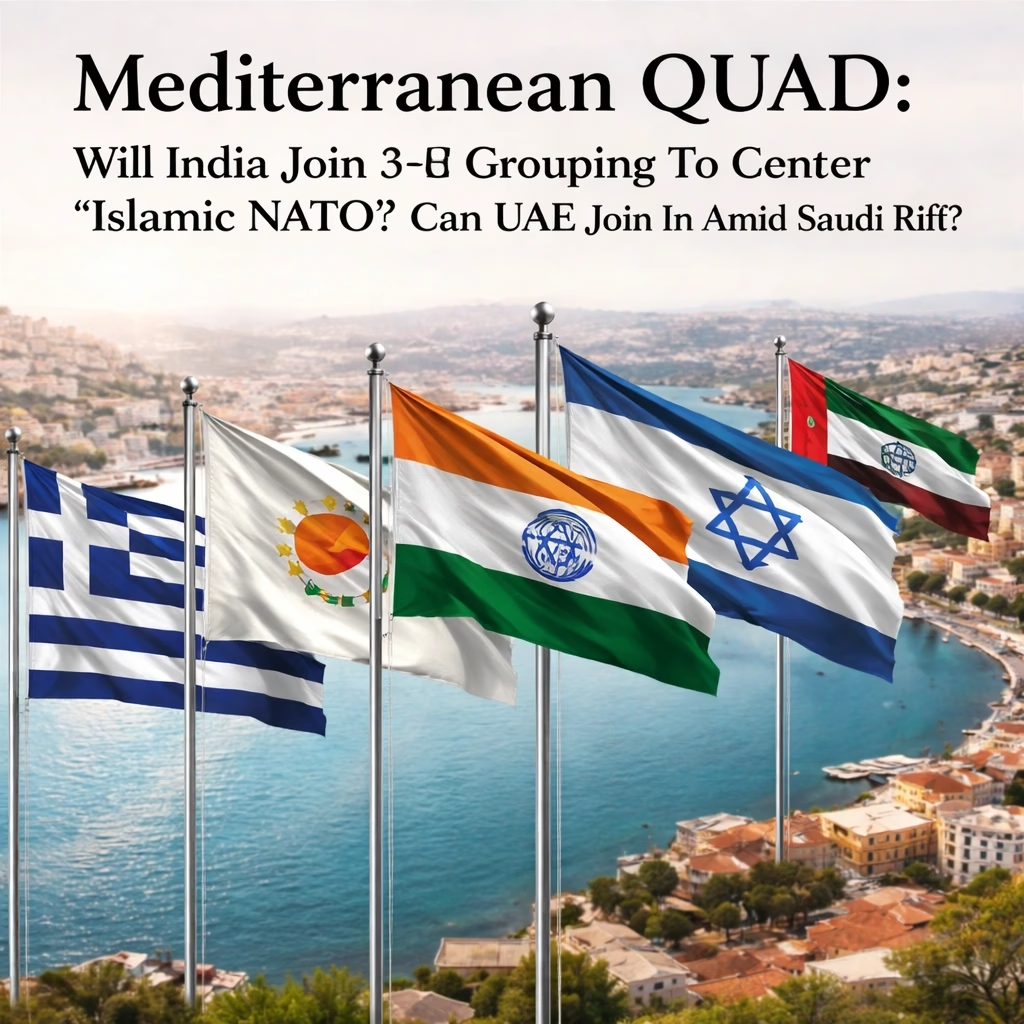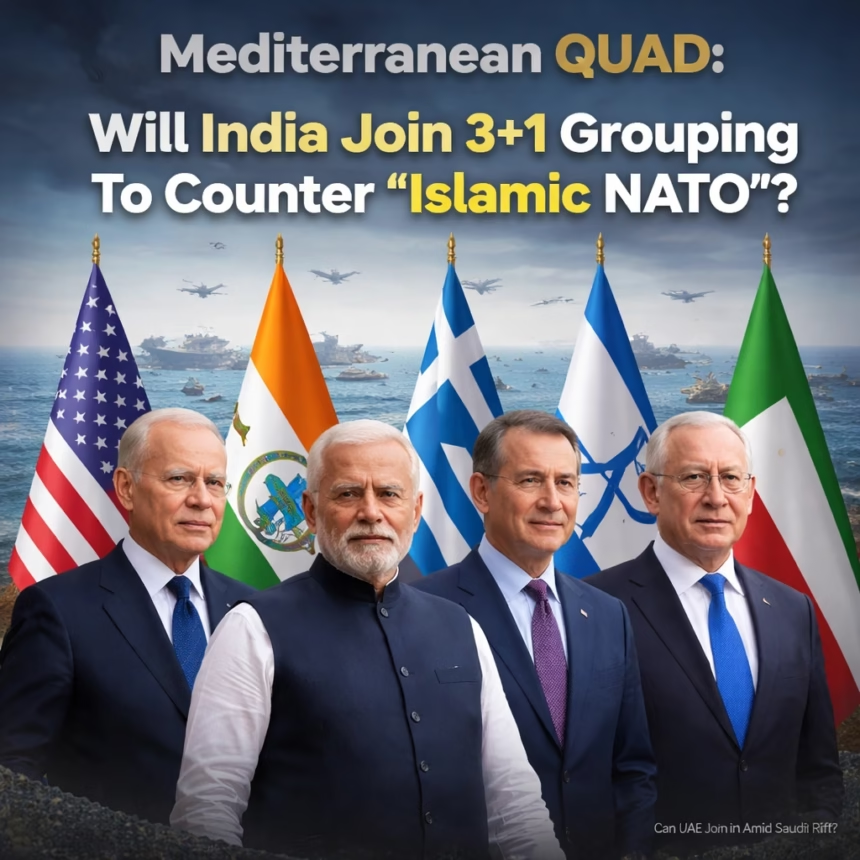
Mediterranean QUAD: Will India Join 3+1 Grouping To Counter “Islamic NATO”? Can UAE Join In Amid Saudi Rift? OPED

Viral_X
By
Viral_X
5 Min Read

A New Power Play in the Middle East? The Mediterranean's Shifting Alliances

A burgeoning strategic partnership is taking shape in the Mediterranean, drawing attention from global powers. The Mediterranean QUAD – a grouping involving India, Italy, France, and the UAE – is emerging as a potential counterweight to existing regional dynamics, sparking debate about its long-term implications. This initiative, gaining momentum since 2022, has the potential to significantly alter the geopolitical landscape of the region.

Background: Seeds of Cooperation

The concept of a Mediterranean QUAD wasn't born overnight. It evolved from existing bilateral relationships and shared strategic interests. Early discussions began in 2022, fueled by a desire to enhance maritime security, economic cooperation, and energy security in the Mediterranean Sea. Italy, under Prime Minister Mario Draghi, initially spearheaded the initiative, recognizing the potential for a more coordinated approach to address shared challenges. France, with its strong naval presence and historical ties to the region, quickly joined, further solidifying the grouping's foundations.

The UAE’s involvement, formalized in 2023, represents a significant expansion of the QUAD’s reach. The UAE, a major energy producer and trading hub, brings economic clout and a strategic location to the table. The initial focus was on enhancing trade, investment, and technological collaboration, but security cooperation has rapidly become a key component.

Key Developments: A Rapid Ascent

Recent months have witnessed a flurry of activity within the Mediterranean QUAD. Joint military exercises, particularly naval drills, have become increasingly frequent, signaling a growing commitment to collective defense. These exercises, conducted in various locations including the Mediterranean Sea and potentially ports in Italy and France, emphasize interoperability and coordinated response capabilities.

Economic cooperation is also accelerating. Discussions are underway to establish a dedicated investment fund to support infrastructure projects, particularly in the energy and technology sectors. Italy, with its existing infrastructure projects in Africa and the Middle East, is playing a pivotal role in facilitating these collaborations. France is focusing on strengthening technological partnerships, particularly in areas like renewable energy and cybersecurity.

The timing of these developments is noteworthy, coinciding with shifting geopolitical alignments in the Middle East. The recent thaw in relations between Saudi Arabia and Iran, while positive, hasn't eliminated underlying regional tensions. The Mediterranean QUAD presents an alternative framework for cooperation, independent of traditional power dynamics.

Impact: Reshaping Regional Power Dynamics

The Mediterranean QUAD’s emergence has several potential impacts. Firstly, it offers a counter-narrative to the notion of a purely US-led security architecture in the Mediterranean. By fostering closer ties between European and Middle Eastern nations, the QUAD challenges existing power balances.

Secondly, the grouping could significantly influence energy security in the region. With Europe seeking to diversify its energy sources, the QUAD’s cooperation on renewable energy and energy infrastructure could play a crucial role. The UAE’s energy expertise and investment capacity are particularly valuable in this regard.

Finally, the QUAD's emphasis on maritime security aims to address issues like piracy, illegal migration, and maritime terrorism. This focus could lead to a more coordinated and effective response to these threats, benefiting not only the member states but also the wider Mediterranean community.

What Next: Future Trajectory

The Mediterranean QUAD is still in its early stages, but its trajectory appears promising. Future milestones likely include the formalization of a strategic partnership agreement, outlining the grouping's objectives and operational framework. This agreement could also include provisions for joint security initiatives, economic cooperation, and cultural exchange.

Potential Challenges

Despite the positive momentum, the QUAD faces several challenges. Differing foreign policy priorities among the member states could hinder progress. Navigating the complex geopolitical landscape of the Middle East, particularly the lingering tensions between Iran and Saudi Arabia, will require careful diplomacy.

Expanding the Circle?

While the current focus is on India, Italy, France, and the UAE, there is potential for expansion. Other countries, including Spain, Greece, and potentially even Egypt, could be invited to join the grouping in the future, further strengthening its influence in the region.

The Mediterranean QUAD represents a bold new experiment in multilateralism. Its success will depend on the ability of its members to overcome challenges and capitalize on shared interests. As the grouping matures, it has the potential to become a significant force in shaping the future of the Mediterranean and beyond.
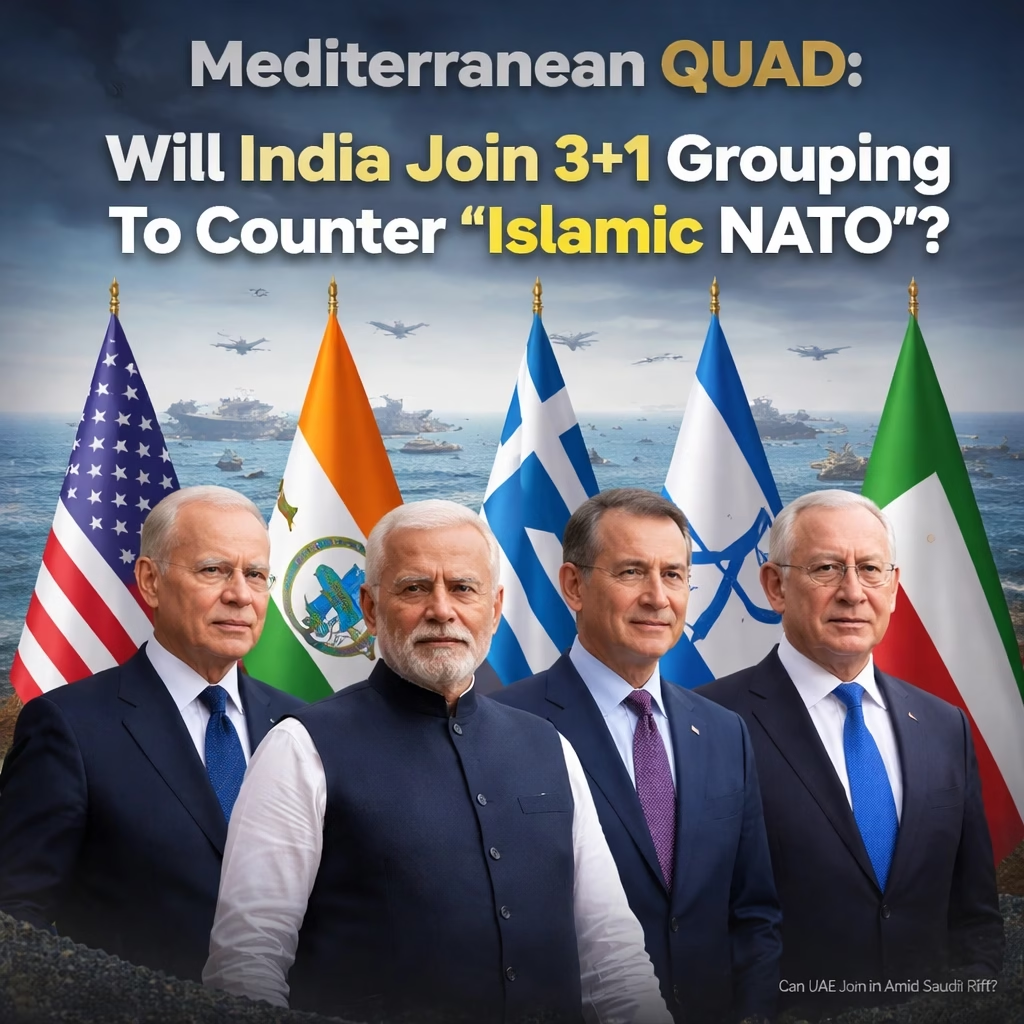
Mediterranean QUAD: Will India Join 3+1 Grouping To Counter “Islamic NATO”? Can UAE Join In Amid Saudi Rift? OPED

Share This Article

Mediterranean QUAD: Will India Join 3+1 Grouping To Counter “Islamic NATO”? Can UAE Join In Amid Saudi Rift? OPED

Viral_X
By
Viral_X
5 Min Read

Beyond Alliances: A New Power Play in the Middle East?

A burgeoning strategic partnership between Israel, the UAE, Bahrain, and India is sparking intense debate. This emerging 3+1 grouping, often dubbed a "Mediterranean QUAD," is viewed by some as a counterbalance to regional power dynamics, particularly concerning security and economic influence in the Middle East. The discussions and collaborations have gained momentum since 2021, prompting questions about its long-term implications and potential for expansion.

Background: Seeds of Cooperation

The foundations of this evolving alliance were laid in 2021 with the Abraham Accords, normalizing relations between Israel and the UAE, Bahrain, Morocco, and Sudan. This historic agreement, brokered by the United States, marked a significant shift in Middle Eastern geopolitics. Following the Abraham Accords, discussions began exploring deeper cooperation beyond diplomatic normalization. India, with its growing economic and strategic importance, quickly became a key player, sharing a common interest in regional stability and economic development.

Mediterranean QUAD: Will India Join 3+1 Grouping To Counter “Islamic NATO”? Can UAE Join In Amid Saudi Rift? OPED

Early collaborations focused on areas like defense, technology, and trade. Joint military exercises between Israel and India, particularly in areas like drone technology and cybersecurity, started in 2022. Economic partnerships have also been strengthening, with increased trade and investment flows between the participating nations. The UAE, with its substantial sovereign wealth fund, has been a significant investor in India's infrastructure and technology sectors.

Key Developments: A Rapid Ascent

The pace of developments within the 3+1 grouping has accelerated considerably in the past year. A high-level meeting in Abu Dhabi in early 2024 solidified the alliance's framework, outlining areas for future collaboration. India's participation has been crucial, with discussions focusing on enhancing defense cooperation, particularly in areas like naval technology and missile defense systems.

The UAE's role has been central to facilitating these discussions, leveraging its diplomatic influence and economic resources. Recent reports suggest discussions are underway to establish a joint investment fund to promote infrastructure projects and technological innovation across the participating countries. The grouping is also exploring collaborative initiatives in the maritime security domain, addressing concerns about piracy and territorial disputes in the Indian Ocean.

Impact: Shifting Regional Equations

The emergence of the Mediterranean QUAD has the potential to significantly reshape regional dynamics. It presents a counterweight to the influence of Iran and its proxies in the Middle East. By fostering stronger security and economic ties, the grouping aims to promote stability and prosperity in the region.

However, the alliance is also viewed with some apprehension by regional players. Iran has condemned the grouping as a destabilizing force, viewing it as a direct challenge to its regional influence. Saudi Arabia, while maintaining cordial relations with all parties, has adopted a more cautious approach, closely monitoring the grouping's activities. The potential for the grouping to further isolate Iran is a key concern for many observers.

What Next: Charting the Future

The future trajectory of the Mediterranean QUAD hinges on several factors. Continued dialogue and strategic alignment among the participating nations are essential. Further deepening of economic ties, particularly through joint investment initiatives, will be crucial for the grouping's long-term sustainability.

Potential Expansion

While currently limited to four members, there’s speculation about potential expansion. Countries like Egypt, Jordan, and potentially even Saudi Arabia could be invited to join in the future, depending on their strategic priorities and willingness to align with the grouping’s objectives. The success of the current model will be a key indicator of future expansion opportunities.

Defense Cooperation Deepening

A significant focus will remain on deepening defense cooperation. This includes joint military exercises, technology sharing, and coordinated responses to regional security threats. The development of a common security framework is a long-term goal that will require sustained commitment from all members.

The Mediterranean QUAD is still in its early stages of development, but its rapid evolution suggests it could become a significant force in shaping the future of the Middle East. Its success will depend on the ability of its members to navigate complex geopolitical challenges and maintain a shared vision for regional stability and prosperity.

Share This Article