Major social media platforms – Meta (Facebook, Instagram), TikTok, and YouTube – are facing a wave of legal challenges alleging they intentionally design their services to be addictive, particularly for young users. Lawsuits filed in California and other states aim to hold these companies accountable for potential harm to children’s mental and physical well-being. The trials are expected to begin in the coming months, marking a significant turning point in the ongoing debate about tech's influence on youth.
Background
The lawsuits center on allegations that Meta, TikTok (owned by ByteDance), and YouTube (owned by Google) employ tactics similar to those used by the gambling industry to keep users engaged. These tactics include algorithms designed to maximize screen time, notification systems that trigger compulsive checking, and personalized content feeds that exploit psychological vulnerabilities. The core argument is that these platforms knowingly create products that can lead to addiction, impacting sleep, attention spans, and overall mental health.
The legal battles have been brewing for years, gaining momentum in 2023. Several states, including California, New York, and Florida, initiated investigations into the platforms' practices. These investigations focused on data collection, algorithmic transparency, and the impact of these platforms on children’s development. The lawsuits allege violations of state laws regarding deceptive business practices, failure to warn, and contributing to the mental health crisis among young people. The initial wave of legal action began in early 2023, with numerous class-action lawsuits consolidated in California courts.
Key Developments
Recent months have seen significant developments in the cases. California's attorney general, Phil Berra, has been a leading voice in the legal challenges, releasing internal documents from the companies that reportedly revealed their awareness of the addictive potential of their platforms. These documents, highlighted in court filings, detailed strategies for maximizing user engagement, even when those strategies were linked to negative consequences.
The lawsuits specifically target features like TikTok's "For You" page, which uses a powerful algorithm to deliver a constant stream of short-form videos, and Instagram's endless scroll, which encourages users to continuously browse. YouTube is also facing scrutiny over its recommendation algorithm, which can lead children down rabbit holes of increasingly extreme or inappropriate content. The plaintiffs argue that these features were deliberately designed to exploit vulnerabilities in young, developing brains. The companies have consistently denied these allegations, stating that they prioritize user safety and have implemented measures to protect children.

Impact
The potential impact of these trials is far-reaching. Millions of young people are affected by the platforms’ influence, with concerns growing about increased rates of anxiety, depression, body image issues, and sleep disturbances. Parents have voiced mounting frustration over their children's excessive screen time and the difficulty in managing their social media use.
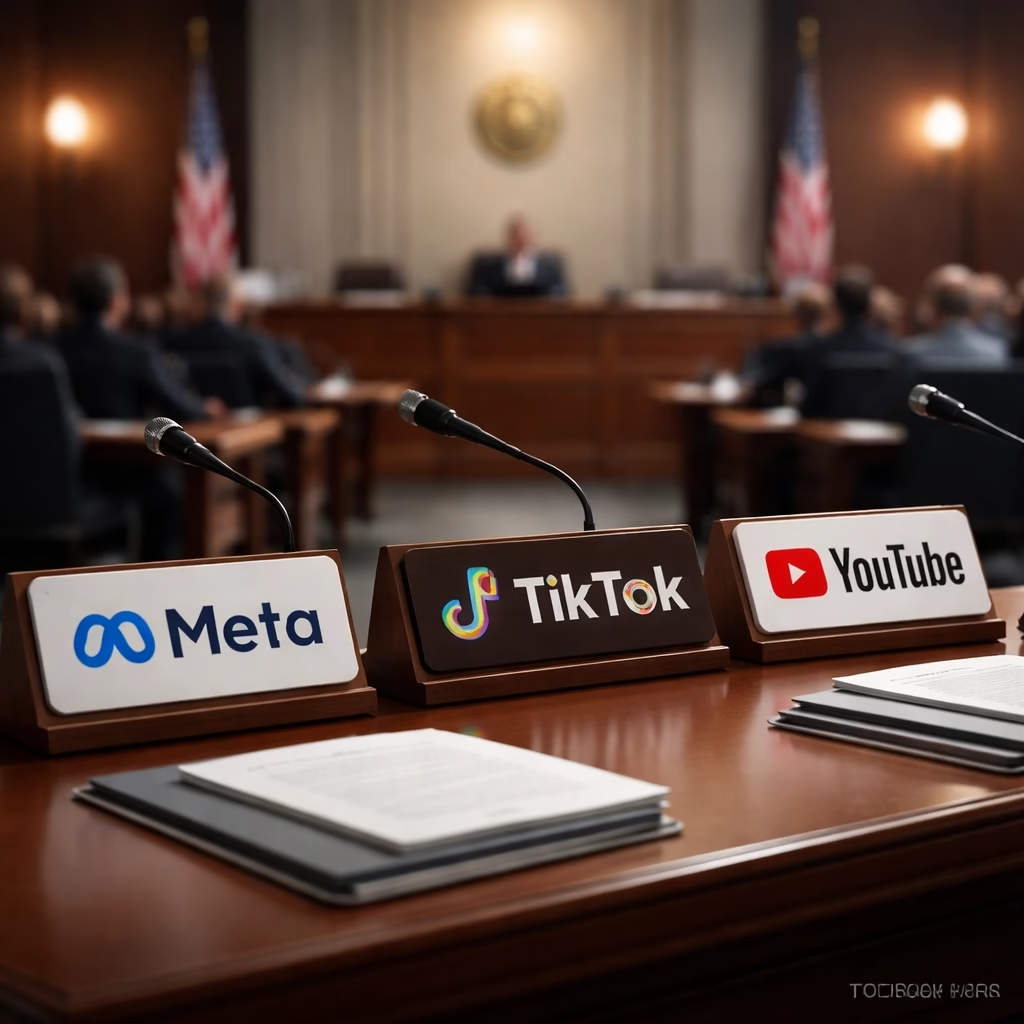
Beyond individual well-being, the lawsuits could reshape the regulatory landscape for the tech industry. A ruling against the platforms could lead to stricter regulations on algorithmic design, data privacy, and advertising practices targeting children. The legal battles are also raising broader questions about corporate responsibility and the ethical obligations of tech companies to protect vulnerable users. The potential financial implications for Meta, TikTok, and YouTube are substantial, with potential fines and changes to their business models.
More Read

Children’s Mental Health
Studies have increasingly linked heavy social media use to negative mental health outcomes in adolescents. The constant exposure to curated content, social comparison, and cyberbullying can contribute to feelings of inadequacy and anxiety. The addictive nature of these platforms further exacerbates these problems, making it difficult for young people to disengage and prioritize other activities. Organizations like the American Academy of Pediatrics have issued guidelines recommending limiting screen time for children and promoting healthy digital habits.
What Next
The trials are currently scheduled to begin in early 2024, with the first case in California expected to start in January. The legal process is expected to be lengthy and complex, involving extensive discovery, expert testimony, and legal arguments. The plaintiffs will need to prove that the platforms intentionally designed their services to be addictive and that this created harm to young users.
The outcome of these trials could have a significant impact on the future of social media and the relationship between tech companies and the public. Regardless of the court's decision, the lawsuits have already sparked a national conversation about the ethical responsibilities of tech companies and the need for greater regulation to protect children. The legal proceedings will be closely watched by policymakers, industry experts, and parents alike, as they seek to navigate the challenges of a rapidly evolving digital landscape. Potential outcomes range from significant regulatory changes to limited adjustments in platform design.
A significant win for the plaintiffs could compel platforms to drastically alter their algorithms and design features, potentially impacting their revenue models. A more moderate ruling could lead to increased transparency requirements and stricter advertising guidelines. A dismissal of the lawsuits, while likely less probable given the evidence presented, would likely offer little immediate relief for concerned parents and advocates.