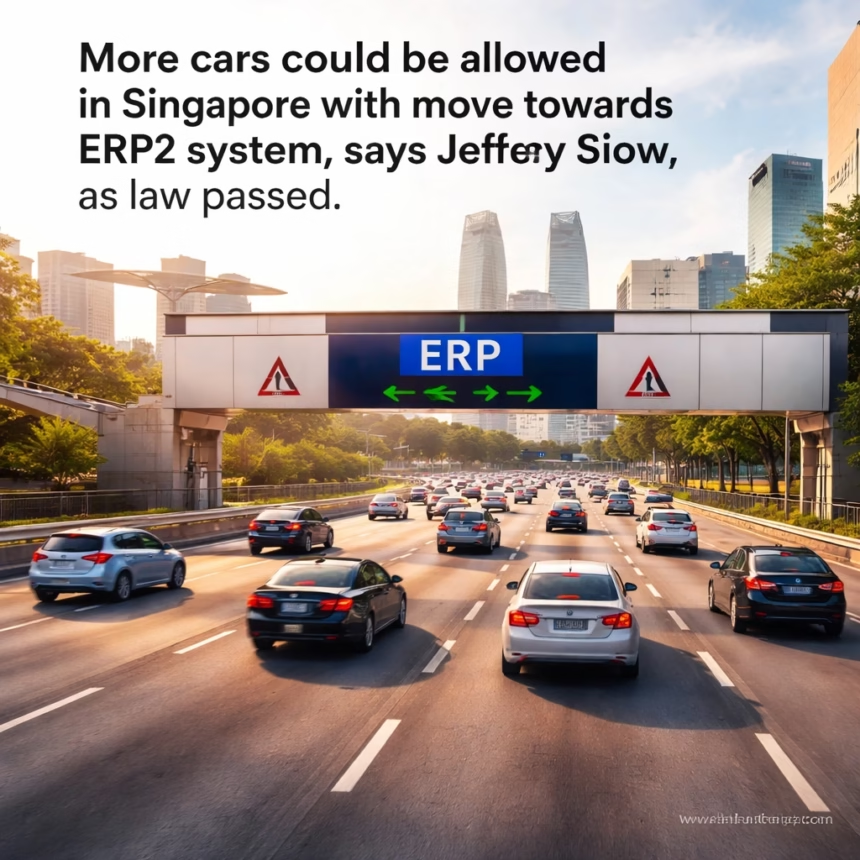
Singapore Traffic Relief? New System Could Ease Congestion
Singapore may be poised to relax restrictions on car ownership following the recent passage of a new law facilitating the implementation of ERP2, according to Jeffrey Siow, a prominent transportation commentator. The move, effective from an unspecified date after the law's passing on October 26, 2023, signals a potential shift in the city-state’s approach to managing traffic and vehicle density.
Background: Decades of Car Ownership Limits
Singapore has historically employed a Certificate of Entitlement (COE) system and Electronic Road Pricing (ERP) to manage car ownership and traffic congestion. The COE, required to own a vehicle, has been subject to fluctuating market values and quotas. ERP, a system of road tolls, charges motorists based on the time of day and road congestion. These measures have been in place for decades, aiming to control the number of vehicles on Singapore's limited road network.
The government has consistently emphasized prioritizing public transport and promoting sustainable mobility options. However, growing calls for greater flexibility in car ownership, particularly among younger generations, have persisted. The current COE quota system, which sets the maximum number of vehicles allowed on the roads, has been a source of contention.
Key Developments: ERP2 and the New Legislation
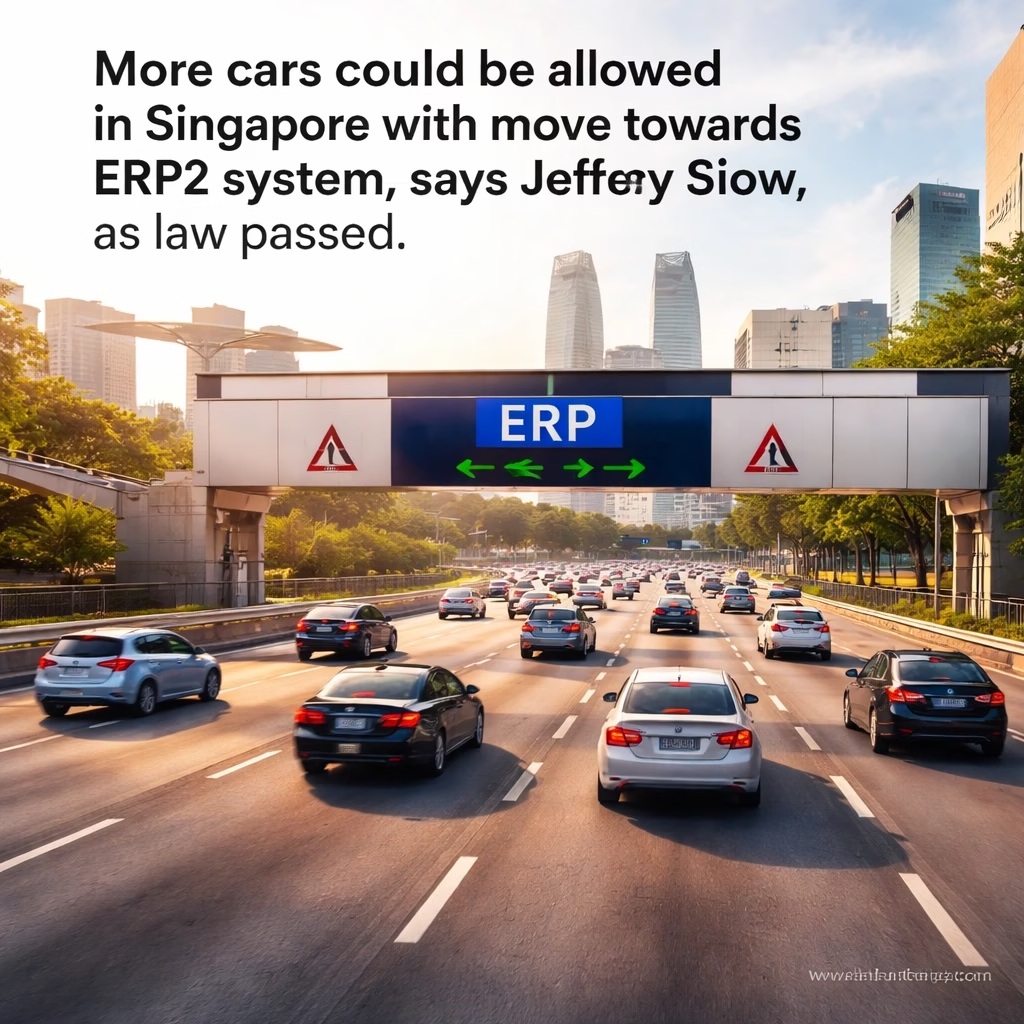
The recently passed law, officially known as the "Road Traffic Amendment Act," paves the way for the implementation of ERP2, the second phase of the Electronic Road Pricing system. ERP2 aims to introduce more dynamic pricing, adjusting toll rates based on real-time traffic conditions across a wider network of roads. This allows for a more granular and responsive approach to managing congestion.
More Read

Crucially, the amendment act also includes provisions that could potentially ease restrictions related to the number of vehicles allowed on the roads. While the specifics remain somewhat unclear, Jeffrey Siow suggests that the new system will allow for a more flexible allocation of road space, potentially accommodating a greater number of cars. He emphasized that the law's passage is a significant step towards a revised approach to traffic management.
Impact: Who Could Benefit?
The potential implications of this shift are far-reaching. Individuals who have been priced out of car ownership due to high COE costs could see greater affordability. Businesses reliant on private vehicle transportation, such as logistics and delivery services, might experience improved operational efficiency. Families in suburban areas, where public transport options may be less convenient, could benefit from increased mobility.
However, the move is not without potential drawbacks. Increased car ownership could exacerbate existing traffic congestion issues, particularly during peak hours. Environmental concerns related to increased vehicle emissions are also a consideration. The government will need to carefully monitor the impact of these changes and implement mitigation measures as needed.

Potential for Increased Road Usage
Analysts predict a rise in road usage if the new system leads to lower barriers to car ownership. This could initially strain existing road infrastructure and necessitate further investment in road expansion and maintenance.
Economic Considerations
The change could stimulate the automotive industry in Singapore, potentially leading to increased sales and investment. However, it could also impact the public transport sector if more people opt for private vehicles.
What Next: Future Milestones
The implementation of ERP2 is expected to begin in phases, with a full rollout planned for 2024. The government will conduct extensive testing and monitoring during the initial stages to assess the system’s effectiveness and address any unforeseen challenges. Further announcements regarding the specific details of the revised car ownership regulations are anticipated in the coming months.
The Land Transport Authority (LTA) will play a central role in overseeing the implementation of ERP2 and managing the potential impact on traffic flow. Public consultations and feedback sessions are also expected to inform the final adjustments to the system. The LTA has indicated a commitment to a data-driven approach, using real-time traffic data to optimize the ERP2 system and manage congestion effectively.
Timeline for ERP2 Implementation
Phase 1 testing commenced in July 2023. Full implementation is slated for 2024, with ongoing adjustments based on performance data.
More Read

Government Monitoring & Feedback
The LTA will continuously monitor traffic patterns and gather public feedback to refine ERP2 and address any issues that arise.