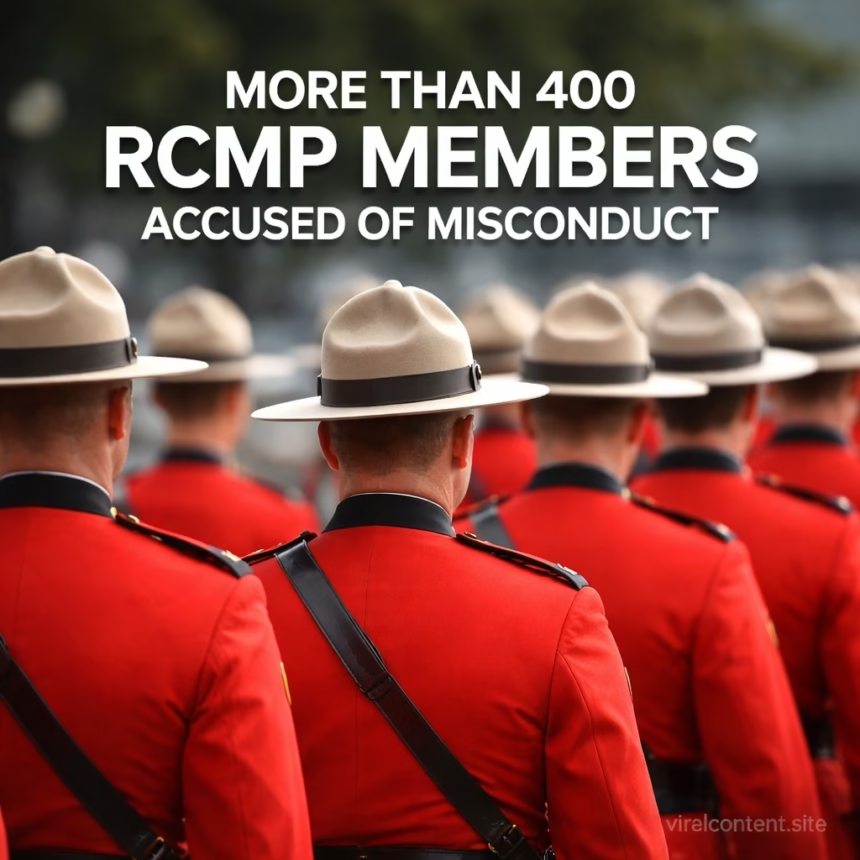
More than 400 members of the Royal Canadian Mounted Police (RCMP) are reportedly facing accusations of misconduct, a revelation that has intensified public and governmental scrutiny of Canada's national police force. This significant number of allegations underscores ongoing challenges within the organization regarding accountability, culture, and public trust across various detachments nationwide. The accusations span a range of serious issues, prompting calls for comprehensive reforms and increased transparency.
Background: A History of Accountability Challenges
The RCMP, Canada's federal and national police service, has a long and complex history marked by both esteemed service and persistent challenges concerning internal conduct and external oversight. For decades, the force has grappled with allegations ranging from harassment and discrimination to abuse of authority and dereliction of duty. These issues have periodically surfaced through various reports, internal reviews, and high-profile legal cases.
Previous Scrutiny and Reforms
Past decades have seen numerous attempts at reform within the RCMP. The force has been the subject of several independent reviews and parliamentary committees, often recommending changes to its governance, complaint mechanisms, and workplace culture. Landmark class-action lawsuits, particularly those related to gender-based discrimination and harassment within the force, have brought significant attention to systemic issues, resulting in substantial settlements and commitments to cultural change.
The Role of the Civilian Review and Complaints Commission
A key external body in overseeing RCMP conduct is the Civilian Review and Complaints Commission for the RCMP (CRCC). Established to provide independent civilian oversight, the CRCC reviews public complaints about the conduct of RCMP members and issues findings and recommendations to the Commissioner of the RCMP and the Minister of Public Safety. Its reports have frequently highlighted areas where the RCMP needs to improve its response to complaints and enforce accountability.
Defining Misconduct
Misconduct within the RCMP context can encompass a broad spectrum of behaviors. This includes operational misconduct, such as excessive force or improper investigative procedures, as well as workplace misconduct like harassment, bullying, discrimination based on gender, race, or sexual orientation, and abuses of power. The sheer volume of over 400 allegations suggests a pervasive issue across multiple categories of professional conduct.
More Read

Key Developments: The Recent Revelation
The recent disclosure of more than 400 RCMP members facing misconduct allegations represents a critical juncture for the force. While the exact timeline for these accumulated allegations may vary, their public acknowledgement highlights a concerted effort, or perhaps increased pressure, to address long-standing issues. This figure has emerged amidst a broader national conversation about policing accountability and systemic issues within law enforcement agencies.
Increased Transparency and Reporting
The reporting of such a significant number of accusations may stem from several factors. It could be a result of improved internal reporting mechanisms, a greater willingness among members to come forward, or increased external scrutiny pushing for more transparent disclosures. Public pressure and media attention often play a crucial role in compelling institutions to acknowledge and address internal problems more openly.
Internal and External Reviews
This period has likely seen intensified internal investigations and potentially new external reviews into the RCMP’s conduct. These processes aim to meticulously examine each allegation, determine its validity, and recommend appropriate disciplinary or remedial actions. The scale of the current allegations suggests a systemic issue that requires more than isolated investigations.
More Read

New Policy Directives
In response to sustained criticism and the accumulating number of complaints, the RCMP has periodically announced new policy directives. These often focus on enhancing training programs, revising codes of conduct, and reinforcing internal complaint processes to ensure fairness and impartiality. However, the effectiveness of these directives is continuously evaluated against the backdrop of ongoing allegations.
Impact: Ripple Effects Across Canada
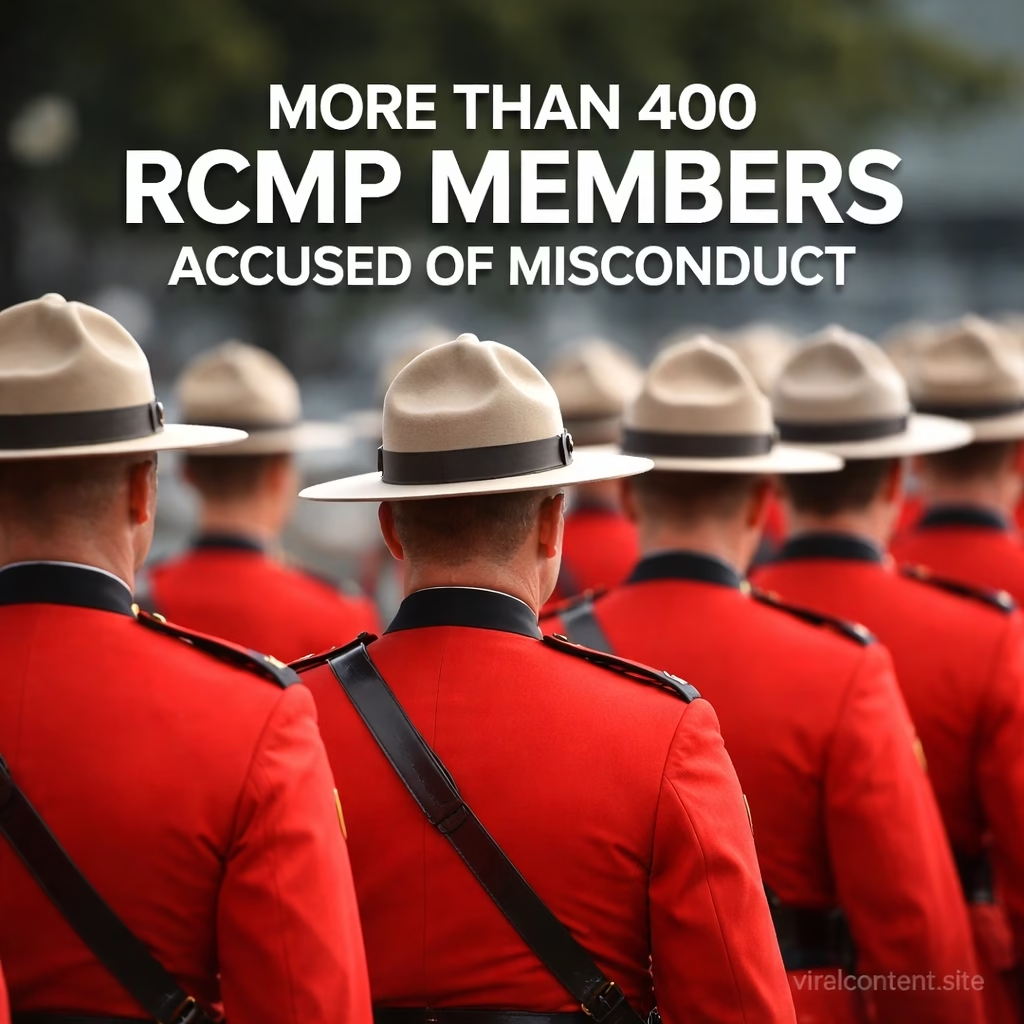
The revelation of hundreds of misconduct allegations has far-reaching consequences, impacting public trust, internal morale within the force, and the broader justice system. The RCMP's role as a federal and contract police service for many provinces and municipalities means these issues resonate across diverse communities.
Erosion of Public Trust
Public confidence in law enforcement is foundational to its effectiveness. When a significant number of officers face misconduct allegations, it can severely erode trust, particularly among marginalized communities who may already feel disproportionately targeted. This erosion can lead to decreased cooperation with police, hindering investigations and community safety initiatives.
Internal Morale and Workplace Culture
Within the RCMP, such widespread allegations can significantly impact morale. Honest and dedicated members may feel unfairly tainted by the actions of others, while the constant scrutiny can create a challenging work environment. Addressing these issues is crucial for fostering a healthy and respectful workplace culture, which is essential for recruitment, retention, and overall operational effectiveness.
Legal and Financial Ramifications
Each substantiated allegation carries potential legal and financial implications. This can include disciplinary actions, civil lawsuits, and potentially criminal charges. The costs associated with investigations, legal defense, settlements, and implementing new training and oversight measures can be substantial, diverting resources from other critical areas of policing.
More Read

Impact on Victims and Complainants
For individuals who have experienced misconduct, the process of coming forward and seeking redress can be daunting. The sheer volume of allegations suggests that many individuals have suffered harm. Ensuring a fair, transparent, and supportive process for victims and complainants is paramount, as their experiences are central to driving necessary reforms and accountability.
What Next: Charting a Path Forward
Addressing the systemic issues highlighted by these hundreds of misconduct allegations will require a sustained and multi-faceted approach. The path forward involves a combination of ongoing investigations, cultural transformation, and enhanced oversight.
Ongoing Investigations and Accountability
A primary focus will remain on thoroughly investigating each of the more than 400 allegations. This involves internal professional standards units, potentially in conjunction with external bodies like the CRCC, to ensure due process and appropriate outcomes. Accountability, whether through disciplinary action, training, or other measures, is crucial for restoring confidence.
Cultural Transformation Initiatives
Beyond individual cases, the RCMP is expected to continue its efforts towards a broader cultural transformation. This includes reinforcing ethical conduct, promoting diversity and inclusion, and fostering a workplace where reporting misconduct is encouraged and taken seriously, without fear of reprisal. Training programs focusing on de-escalation, bias awareness, and respectful interactions are vital components of this change.
Enhanced Oversight and Legislative Changes
Calls for enhanced independent oversight of the RCMP are likely to intensify. This could involve strengthening the powers of the CRCC, increasing transparency in disciplinary processes, or even considering legislative amendments to the RCMP Act to ensure greater accountability and civilian control. Parliamentary committees will likely continue to monitor progress and press for reforms.
Restoring Public and Internal Trust
Ultimately, the goal is to restore public confidence in the RCMP and foster a healthy, respectful environment for its members. This is a long-term endeavor that requires consistent commitment from leadership, active participation from all members, and transparent communication with the public. The resolution of these 400-plus allegations will be a critical step in demonstrating the force's commitment to upholding its core values and serving Canadians with integrity.