Devastation in Mozambique: Rescue Efforts Underway After Deadly Floods
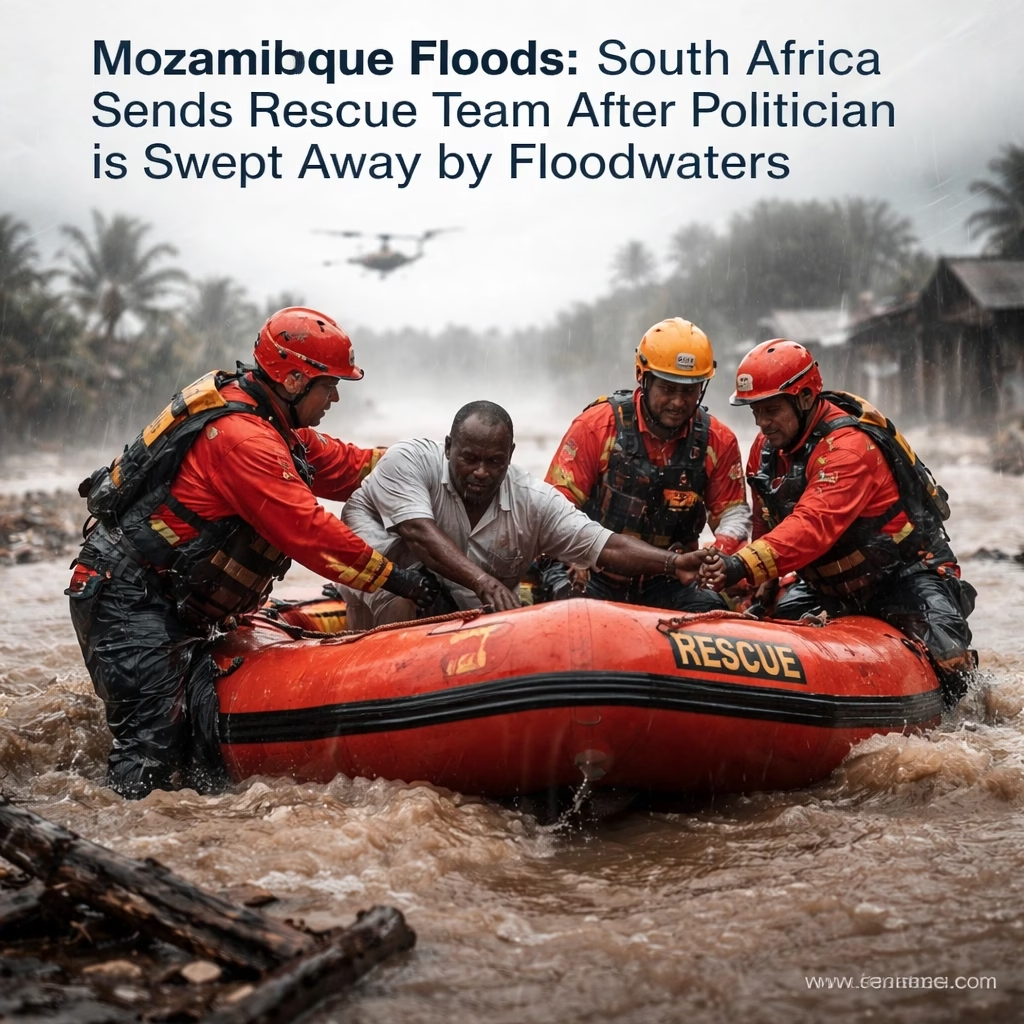
Mozambique is grappling with devastating floods triggered by torrential rains beginning last week, leaving a trail of destruction and prompting international assistance. The floods, which intensified rapidly, have displaced thousands and claimed numerous lives, raising urgent humanitarian concerns. South Africa has deployed a rescue team to assist in the response.
Background
The heavy rainfall began in northern Mozambique on January 26, 2024. The region, particularly provinces like Nampula, Zambezia, and Cabo Delgado, has been hit hardest. These provinces are vulnerable to flooding due to their low-lying coastal areas and proximity to rivers. Mozambique has experienced a history of cyclones and flooding, making the country acutely susceptible to climate-related disasters. The current flooding is being attributed to a combination of factors, including the remnants of Cyclone Freddy, which has been a persistent weather system impacting Southern Africa for weeks. Initial reports indicate that over 200 people have died, but the final death toll is expected to rise as rescue efforts continue. Thousands have been forced to flee their homes, seeking refuge in temporary shelters.
Key Developments
The situation escalated dramatically on February 2, 2024, when a prominent politician, identified as Julius Nkomo, was swept away by floodwaters in the Zambezia province. Nkomo, a local councilor, was reportedly caught while attempting to assist residents affected by the flooding. This incident heightened the urgency of rescue operations and drew national attention to the severity of the crisis. South Africa responded swiftly, dispatching a specialized rescue team equipped with boats, medical supplies, and personnel trained in flood rescue techniques. The team arrived in Mozambique on February 3, 2024, and is currently working alongside local authorities to locate survivors and provide assistance. International aid organizations, including the Red Cross and Doctors Without Borders, are also mobilizing resources to support the affected communities. Power outages are widespread across affected areas, complicating rescue and relief efforts. Communication networks have also been severely disrupted.
Impact
The flooding has had a catastrophic impact on communities across northern Mozambique. Thousands of homes have been destroyed, leaving people homeless and without access to basic necessities such as food, water, and shelter. Agricultural lands have been submerged, threatening food security in the region. Livestock has also been lost, further exacerbating the economic hardship faced by many families. Healthcare facilities are overwhelmed, struggling to cope with the influx of patients suffering from waterborne diseases and injuries sustained during the floods. The destruction of infrastructure, including roads and bridges, is hindering access to affected areas and impeding the delivery of aid. Schools have been closed, disrupting education for thousands of children. The economic impact of the floods is expected to be substantial, with significant damage to infrastructure and livelihoods.
More Read

Affected Areas
The provinces of Nampula, Zambezia, and Cabo Delgado are the most severely affected. Specific districts within these provinces, such as Drome in Zambezia and various coastal communities in Cabo Delgado, have experienced the worst damage. The capital city of Maputo, while not directly impacted by the flooding, is receiving a large influx of displaced people seeking refuge.
What Next
The immediate priority is to continue rescue operations and provide emergency relief to those affected. This includes distributing food, water, medical supplies, and shelter. Efforts are also underway to restore essential services, such as power and communication. Longer-term recovery efforts will focus on rebuilding infrastructure, providing assistance to displaced communities, and supporting agricultural recovery. The Mozambican government is appealing for international assistance to help cope with the scale of the disaster. The World Food Programme (WFP) is coordinating efforts to provide food assistance to the most vulnerable populations. The focus will shift to disease prevention as waterborne illnesses are a major concern. The government is assessing the extent of the damage to determine the long-term reconstruction needs.
More Read
International Assistance
Several countries and international organizations have pledged assistance to Mozambique. South Africa’s rescue team represents a significant contribution to the relief effort. Other nations, including Portugal and the United States, are also providing humanitarian aid and technical support. The African Union has also offered its support to Mozambique in responding to the disaster.