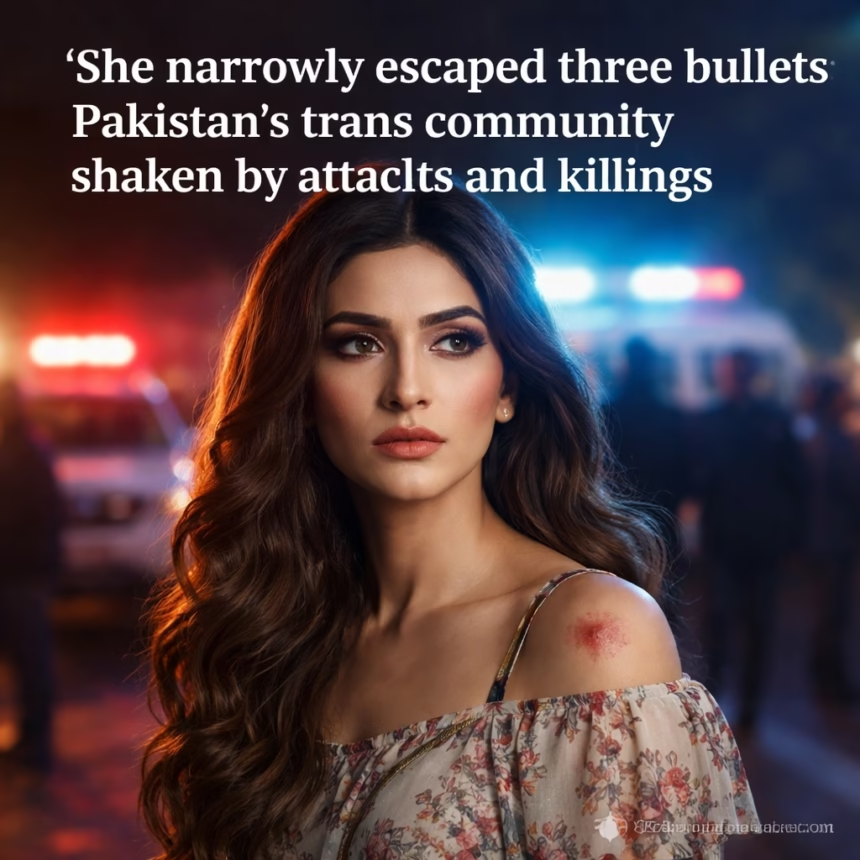
Fear Grips Pakistan's Trans Community After Deadly Attacks
Pakistan's transgender community is living in heightened fear following a series of violent attacks and killings reported across the country in recent months. The incidents have sparked outrage and calls for greater protection and legal recognition for transgender individuals.
Background: A History of Marginalization
Transgender people in Pakistan have long faced systemic discrimination, social stigma, and violence. Legal protections have been limited, and societal acceptance remains low. While the Pakistani Senate passed the transgender rights bill in March 2018, it has faced delays in becoming law, leaving the community vulnerable.
Historically, transgender individuals have been subjected to harassment, denial of employment, housing, and healthcare. They often face police brutality and are targeted by vigilante groups fueled by religious extremism and prejudice. The lack of accurate data makes it challenging to fully quantify the extent of violence, but anecdotal evidence and reports from human rights organizations paint a grim picture.

Key Developments: Recent Attacks and Concerns
The past year has witnessed a disturbing surge in attacks targeting transgender individuals. On October 26, 2023, in Karachi, a transgender woman was shot and killed, prompting protests and condemnation from activists. Just weeks prior, in Sindh province, another transgender person was reportedly attacked and injured, highlighting the geographical spread of the violence.
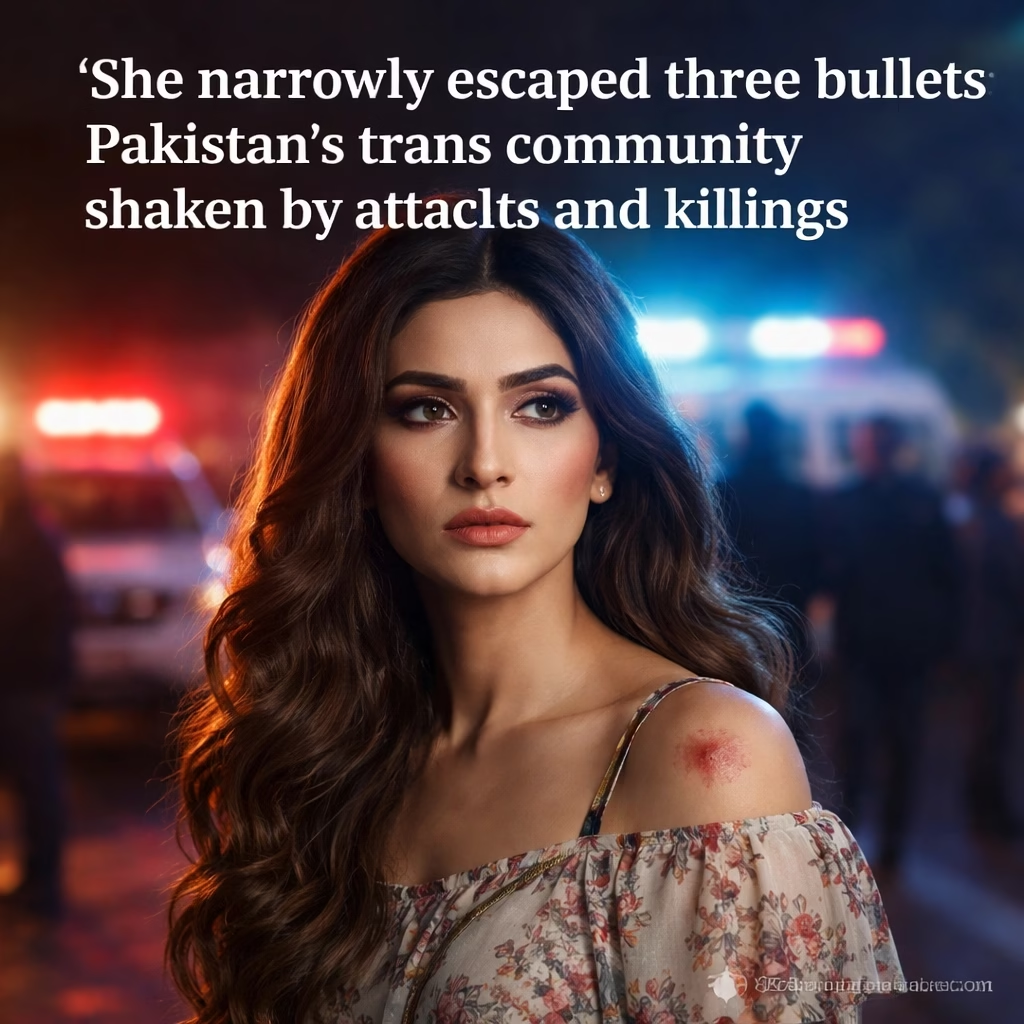
A particularly harrowing incident occurred in Lahore on November 12, 2023, where a transgender individual narrowly escaped being shot multiple times. This event gained significant media attention and further intensified calls for government intervention. Reports indicate that police response to these incidents has often been inadequate, and investigations have been slow or incomplete.
Furthermore, there have been increasing reports of forced evictions and harassment targeting transgender people living in marginalized communities. This displacement leaves many vulnerable and further exacerbates their precarious situation.
More Read

Impact: Living in Fear and Uncertainty
Psychological Toll
The escalating violence has taken a profound psychological toll on the transgender community. Many are living in constant fear, afraid to leave their homes or seek assistance from law enforcement. Mental health professionals report a surge in cases of anxiety, depression, and PTSD among transgender individuals.
Economic Hardship
The attacks have also had a significant economic impact. Many transgender people rely on informal labor for their livelihoods, and the fear of violence makes it difficult to find and maintain employment. This further perpetuates poverty and vulnerability.
Limited Access to Services
The violence compounds existing challenges in accessing healthcare, education, and other essential services. Fear of discrimination and harassment prevents many transgender individuals from seeking the support they need.
What Next: Demands for Action and Future Steps
Human rights organizations and transgender advocacy groups are demanding immediate action from the government to protect the community. Key demands include the swift passage of the transgender rights bill, improved law enforcement training, and increased awareness campaigns to combat prejudice and discrimination.
Legislative Efforts
Advocates are pushing for legislation that explicitly criminalizes violence against transgender people and provides them with legal recourse. The current bill, pending in the National Assembly, aims to grant transgender individuals equal rights, including the right to self-identification and access to services.
Police Reform
There are calls for police reform to address the systemic bias and impunity that allows violence against transgender individuals to persist. This includes training officers on gender sensitivity and ensuring that complaints of harassment and abuse are properly investigated.

Community Support
Community-based organizations are providing vital support to transgender individuals, including safe houses, legal assistance, and mental health services. However, these organizations are often underfunded and lack the resources to meet the growing needs of the community. Increased funding and support are crucial to ensuring their sustainability.
The situation for Pakistan’s transgender community remains precarious. While recent attacks have brought the issue into sharper focus, meaningful change requires sustained commitment and action from the government, law enforcement, and society as a whole.