Oil Giant's Plunge: NGX Market Sees Massive Value Erosion
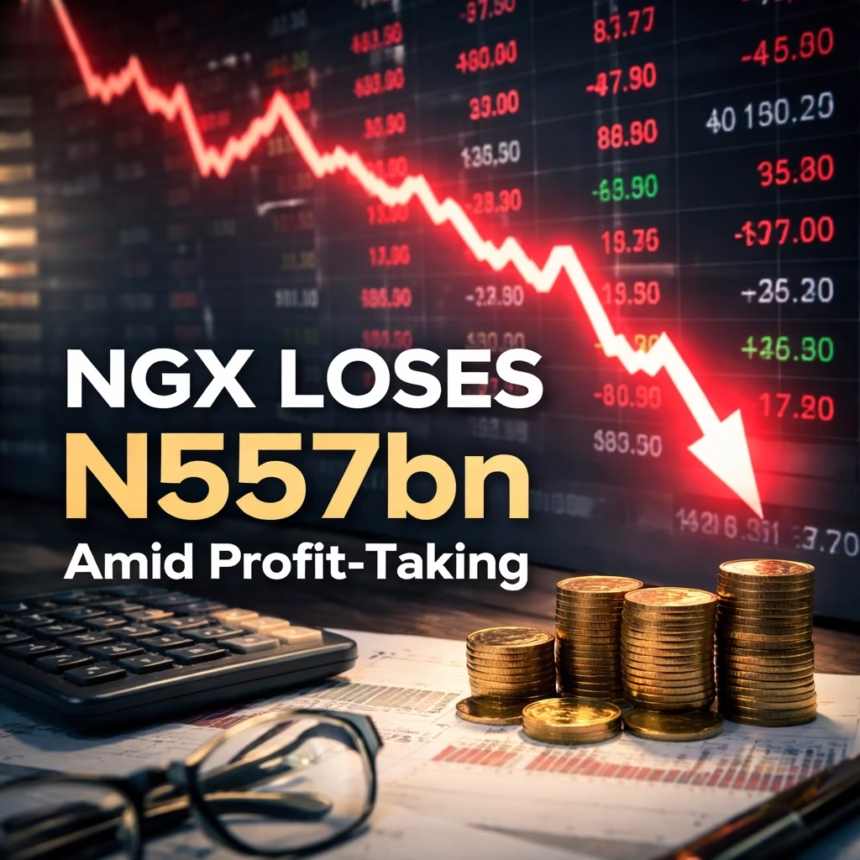
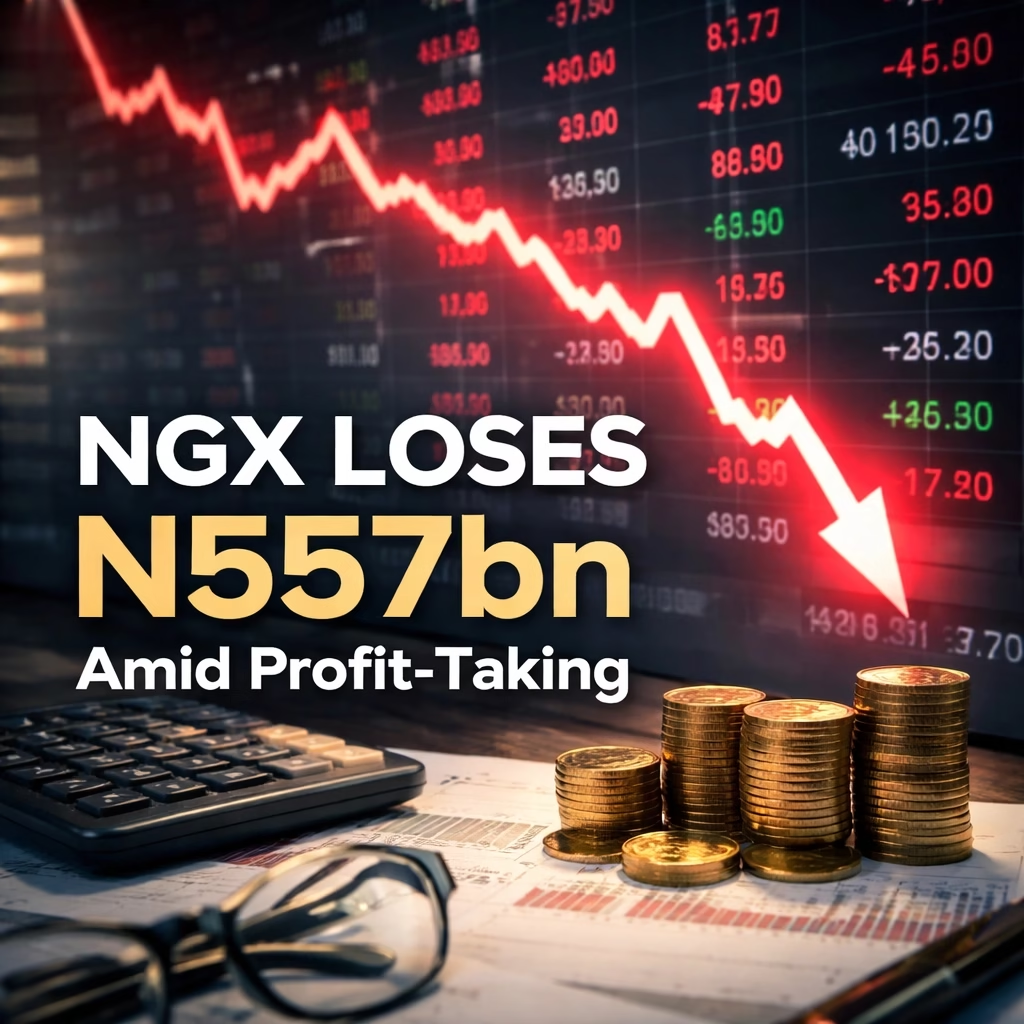
The Nigerian Exchange Group (NGX) experienced a significant downturn in value this week, losing approximately N557 billion in market capitalization. Analysts attribute the decline primarily to profit-taking by investors following a period of strong growth. The drop, observed between October 26th and October 27th, 2023, reflects broader market sentiment shifts.
Background
The NGX is the primary stock exchange in Nigeria, facilitating trading of equities, bonds, and other financial instruments. It plays a crucial role in the country's economic development by providing a platform for companies to raise capital and for investors to participate in economic growth. Over the past year, the NGX has generally shown positive performance, driven by rising oil prices, improved corporate earnings, and increased investor confidence. The All Share Index (ASI), a key benchmark, reached a peak of over 49,000 points in early 2023.
However, the market has experienced volatility recently, influenced by global economic uncertainties, including rising interest rates and geopolitical tensions. The Central Bank of Nigeria (CBN) has also been actively managing monetary policy, which has impacted investor behavior.
Key Developments
The recent market decline began on Tuesday, October 26th, 2023, with a noticeable sell-off. The ASI fell by over 2,500 points, triggering concerns among investors. This sell-off intensified on Wednesday, October 27th, leading to an additional drop of over 2,000 points. Data from the NGX shows that trading volume significantly increased during this period, indicating heightened investor activity.
More Read

Several factors contributed to this shift. Firstly, many investors who had accumulated gains during the previous months decided to realize their profits, leading to increased selling pressure. Secondly, concerns about potential future economic headwinds, particularly regarding the impact of CBN policies and global inflation, prompted some investors to reduce their exposure to the stock market.
Specifically, stocks in the banking, consumer goods, and oil & gas sectors experienced significant declines. Notable companies like Zenith Bank, Guaranty Trust Holding Company (GTCO), and Oilserve Limited saw their share prices fall considerably.
Impact
The market downturn has impacted various stakeholders. Individual investors, particularly retail investors, have seen a decline in the value of their portfolios. Pension funds and institutional investors, which hold significant positions on the NGX, have also experienced losses. This could potentially affect the long-term returns of retirement savings and other investments.
More Read

Companies listed on the NGX are also affected, as their share prices decline, which can impact their ability to raise capital and their overall market valuation. Furthermore, the drop in market capitalization can negatively influence investor confidence and potentially deter future investment in Nigerian companies.
The broader economy could also feel the impact, though likely indirectly. A weakened stock market can signal concerns about economic growth and investor sentiment, potentially affecting business investment and consumer spending. The effect on the Nigerian economy as a whole remains to be seen.
Sector-Specific Impacts
The banking sector, a cornerstone of the NGX, saw a substantial decline. Concerns about interest rate hikes and loan defaults contributed to investor caution. The consumer goods sector also experienced a slowdown, reflecting anxieties about consumer spending power amid rising inflation. Oil & Gas companies, while still benefiting from global oil prices, felt the pressure due to profit-taking after a period of strong performance.
What Next
The immediate future of the NGX remains uncertain. Analysts predict continued volatility in the short term, as investors continue to assess the evolving economic landscape. However, some experts believe that the market may stabilize in the medium term, particularly if the CBN adopts a more consistent monetary policy stance and if the global economic outlook improves.
Key milestones to watch include the CBN’s next monetary policy meeting scheduled for November 9th, 2023. The outcome of this meeting will be closely scrutinized by investors. Furthermore, corporate earnings reports for the third quarter of 2023, which are expected to be released in the coming weeks, will provide valuable insights into the financial health of listed companies and potentially influence market sentiment.
More Read

The NGX is also expected to continue implementing measures to enhance market transparency and investor protection, which could help to restore confidence and attract further investment in the long run. The exchange has been actively promoting listings of new companies, aiming to diversify the market and create more opportunities for investors.