Nigeria's Debt Spiral: Can the Economy Sustain the Borrowing?
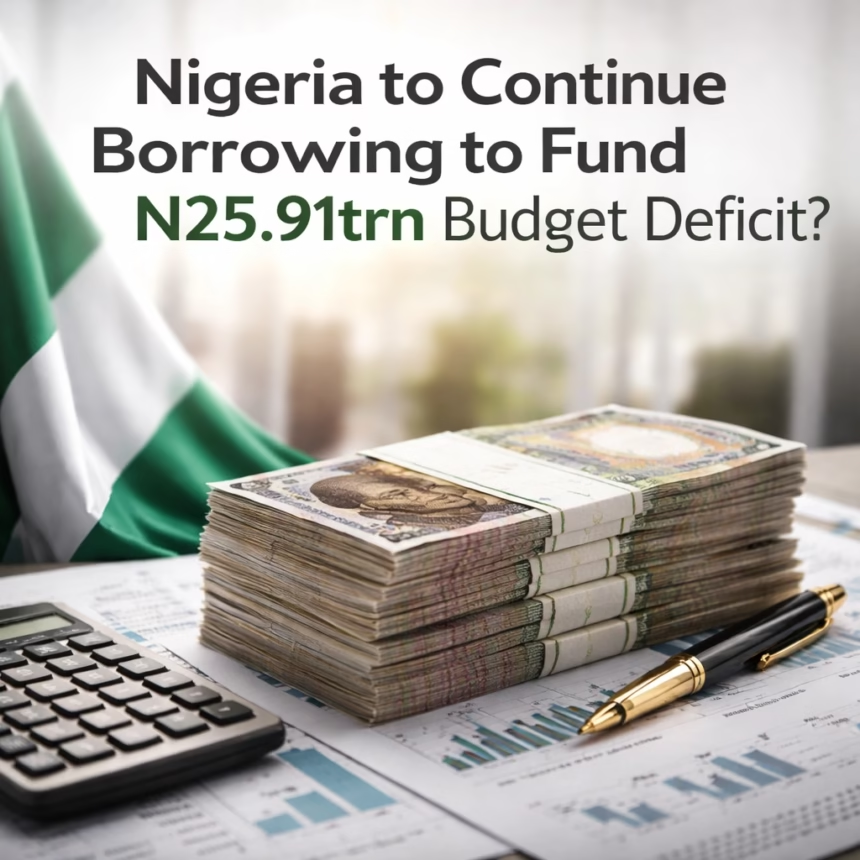
Abuja, Nigeria – The Nigerian Senate has indicated the government will continue to borrow to finance its projected N25.91 trillion budget deficit for 2024. This decision comes amid rising concerns about the country’s debt sustainability and the potential economic implications.
Background: A History of Borrowing
Nigeria has a long-standing history of relying on borrowing to fund its budgetary needs. The country's debt has steadily increased over the years, driven by factors like fluctuating oil prices, economic downturns, and infrastructure deficits. As of December 2023, Nigeria’s total public debt stood at approximately N96.29 trillion, according to the Debt Management Office (DMO).
The current trajectory of borrowing began accelerating after the 2020 COVID-19 pandemic, which significantly impacted Nigeria’s revenue generation. The government implemented various fiscal stimulus measures to cushion the economic blow, further contributing to the rising deficit.
More Read

Key Developments: Senate’s Stance & Economic Outlook
The Senate's declaration was made during a recent plenary session on February 27, 2024. Senator Omar Mandela, Chairman of the Senate Committee on Finance, stated that despite concerns, borrowing remained the most viable option to fund crucial development projects and essential government operations.
"We acknowledge the challenges posed by the current debt profile," Senator Mandela said. "However, we must prioritize investments that will drive long-term economic growth and benefit the Nigerian people. Borrowing, judiciously managed, is a necessary tool to achieve these goals."
The government’s budget for 2024 projects revenue of N11.17 trillion, leaving a significant gap of N14.74 trillion. This gap is expected to be filled through a combination of domestic and external borrowing, including sovereign bonds and concessional loans from international financial institutions like the World Bank and the African Development Bank.
More Read

Impact: Implications for Citizens and Businesses
Increased borrowing has several potential impacts on the Nigerian population and the business sector. One primary concern is the potential for higher interest rates, which can make borrowing more expensive for individuals and businesses, impacting investment and consumption.
Furthermore, a large debt burden can crowd out other essential government spending areas, such as education, healthcare, and social welfare programs. This could lead to a decline in the quality of public services and exacerbate inequality.
Businesses are also facing increased pressure from rising interest rates and a weakening Naira. The cost of imported goods, crucial for many industries, has increased, impacting profitability and competitiveness.
What Next: Fiscal Management and Economic Reforms
The government has outlined several measures aimed at managing its debt and promoting fiscal sustainability. These include efforts to diversify revenue sources beyond oil, improve tax collection efficiency, and reduce recurrent expenditure.
Revenue Diversification Efforts
The government is actively exploring opportunities in sectors like agriculture, technology, and tourism to boost non-oil revenue. Initiatives include supporting local farmers, promoting digital entrepreneurship, and investing in tourism infrastructure.
Fiscal Consolidation
The government is committed to implementing fiscal consolidation measures, including streamlining government spending and reducing wasteful expenditures. This involves a review of government agencies and programs to identify areas for efficiency gains.
More Read

Debt Management Strategies
The DMO is working on strategies to optimize the country’s debt portfolio, including extending the maturity profile of existing debt and securing concessional financing terms. The goal is to mitigate the risks associated with short-term borrowing and reduce the overall debt burden.
The success of these initiatives will be crucial in determining Nigeria’s long-term economic stability. The coming months will be critical in assessing the effectiveness of the government's fiscal policies and their impact on the country's debt sustainability.