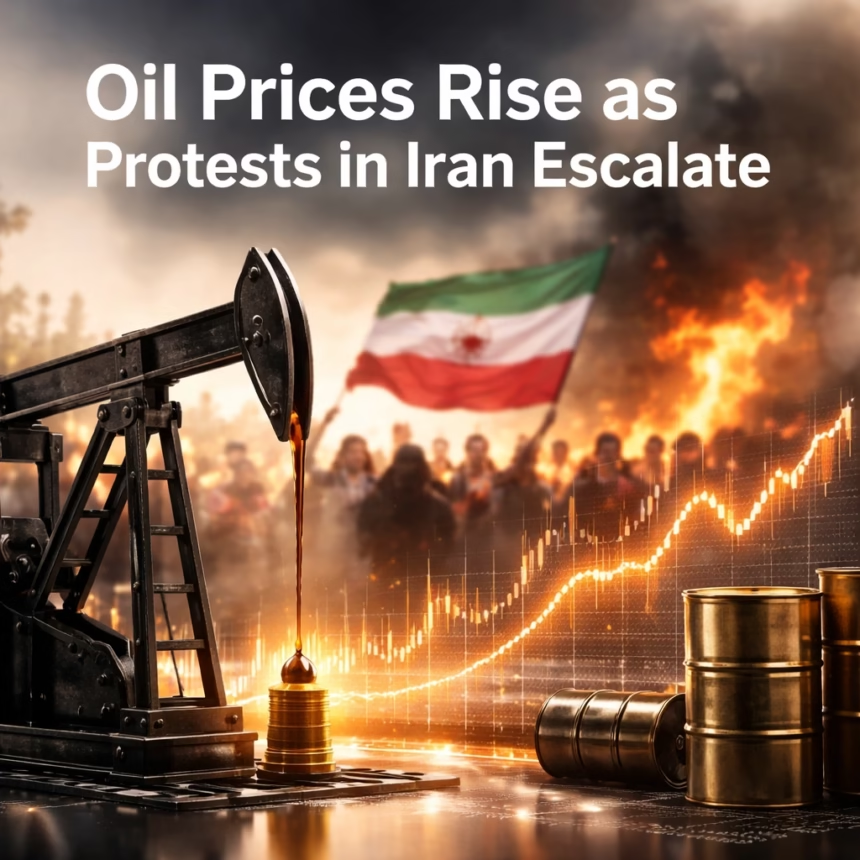
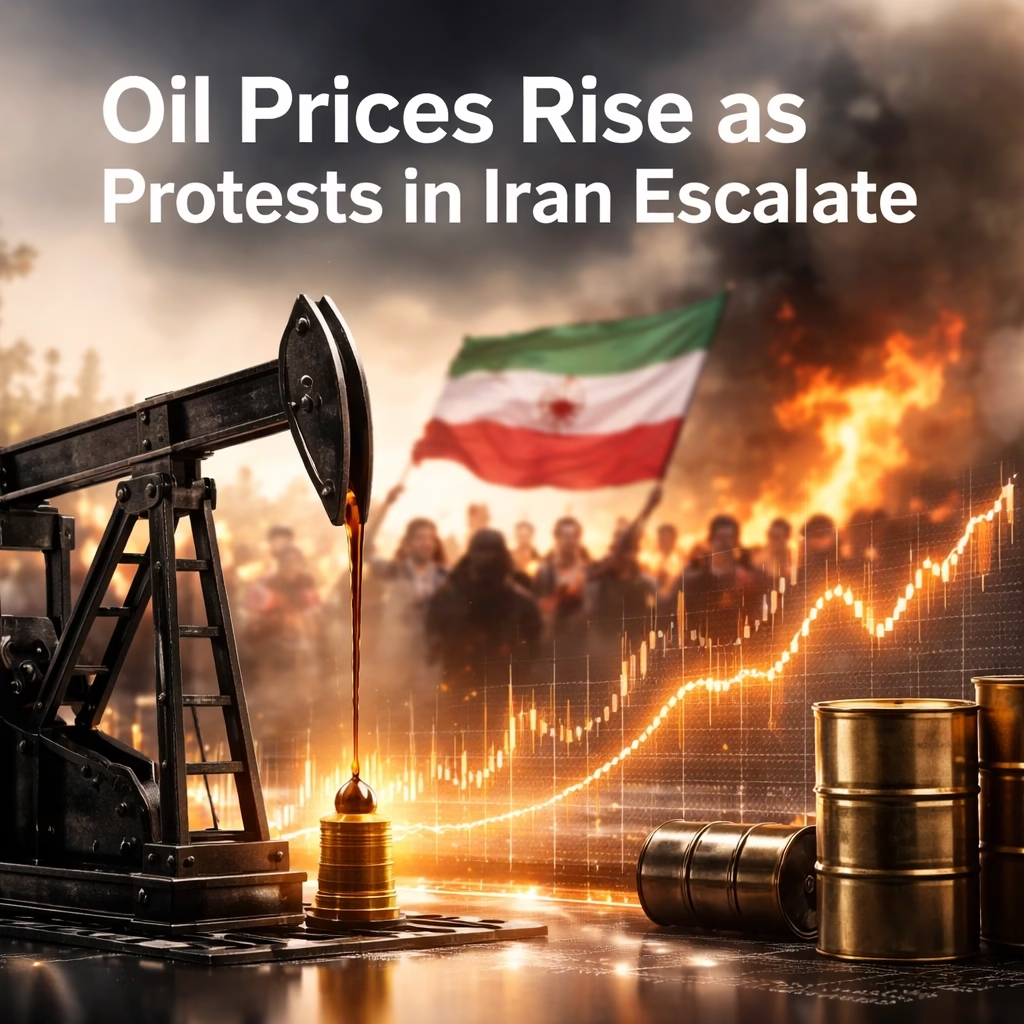
Crude oil prices surged on Monday as protests in Iran escalated, raising concerns about potential disruptions to global oil supplies. The unrest in Iran, one of the world's top oil producers, has sent shockwaves through the energy markets, with Brent crude climbing to over $90 per barrel.
Background
Iran has been grappling with widespread protests since mid-September, initially sparked by the death of a young woman in police custody. The demonstrations have since evolved into broader anti-government protests, with participants demanding political and economic reforms. Authorities have responded with a heavy-handed crackdown, leading to international condemnation.
The protests have targeted key infrastructure, including oil facilities, raising fears of potential supply disruptions. Iran is a significant player in the global energy market, producing around 3.8 million barrels of oil per day. Any disruption to its output could have far-reaching consequences for global oil prices.
Key Developments
On Monday, Brent crude futures rose by 2.5% to $90.25 per barrel, while U.S. West Texas Intermediate (WTI) crude climbed 2.3% to $87.90 per barrel. The price hikes came amid reports of clashes near key oil facilities in Iran’s southwest, a region critical to the country’s oil exports.
Energy analysts warn that if the protests spread to major oil fields or disrupt shipping routes, the impact on global supplies could be substantial. The Strait of Hormuz, a critical chokepoint for oil shipments, lies near Iran, raising additional concerns about potential disruptions to global energy flows.

Impact
The rising oil prices are likely to affect consumers worldwide, with higher costs at the pump expected in the coming weeks. Motorists in the U.S. and Europe could see gas prices climb by up to 10 cents per gallon, depending on the duration of the unrest in Iran.
Industries reliant on oil, such as transportation and manufacturing, may also face higher operating costs, potentially leading to higher prices for consumers. The energy sector itself is bracing for increased volatility, with investors closely monitoring developments in Iran and the broader Middle East.
More Read

What Next
The situation in Iran remains fluid, with protests continuing despite government crackdowns. Energy experts caution that the longer the unrest persists, the higher the risk of supply disruptions. A prolonged crisis could push oil prices even higher, with some analysts predicting a potential rise to $100 per barrel if the situation worsens.
Global energy markets will be watching closely for any signs of escalation, particularly around key oil infrastructure. The international community, including major oil-consuming nations, is likely to monitor the situation closely, prepared to respond if necessary to mitigate potential disruptions to global energy supplies.