
Kuala Lumpur, Malaysia — A groundbreaking partnership between healthcare professionals and artificial intelligence is transforming Malaysia's e-health landscape, offering faster diagnoses, personalized treatments, and improved patient outcomes.
Malaysia's healthcare system has long faced challenges, including rural accessibility and a growing elderly population. The introduction of AI in 2020 marked a turning point, with the Ministry of Health (MOH) launching its AI in Health and Medicine (AIHM) initiative. This program aimed to integrate AI tools into routine medical practice, focusing on radiology, pathology, and chronic disease management.
Key milestones include:
– 2020: MOH's AIHM initiative kicks off, partnering with local tech firms.
– 2022: First AI-assisted diagnostic centers open in Kuala Lumpur and Johor Bahru.
– 2023: AI tools approved for use in national hospitals, covering diabetes and cardiovascular disease.
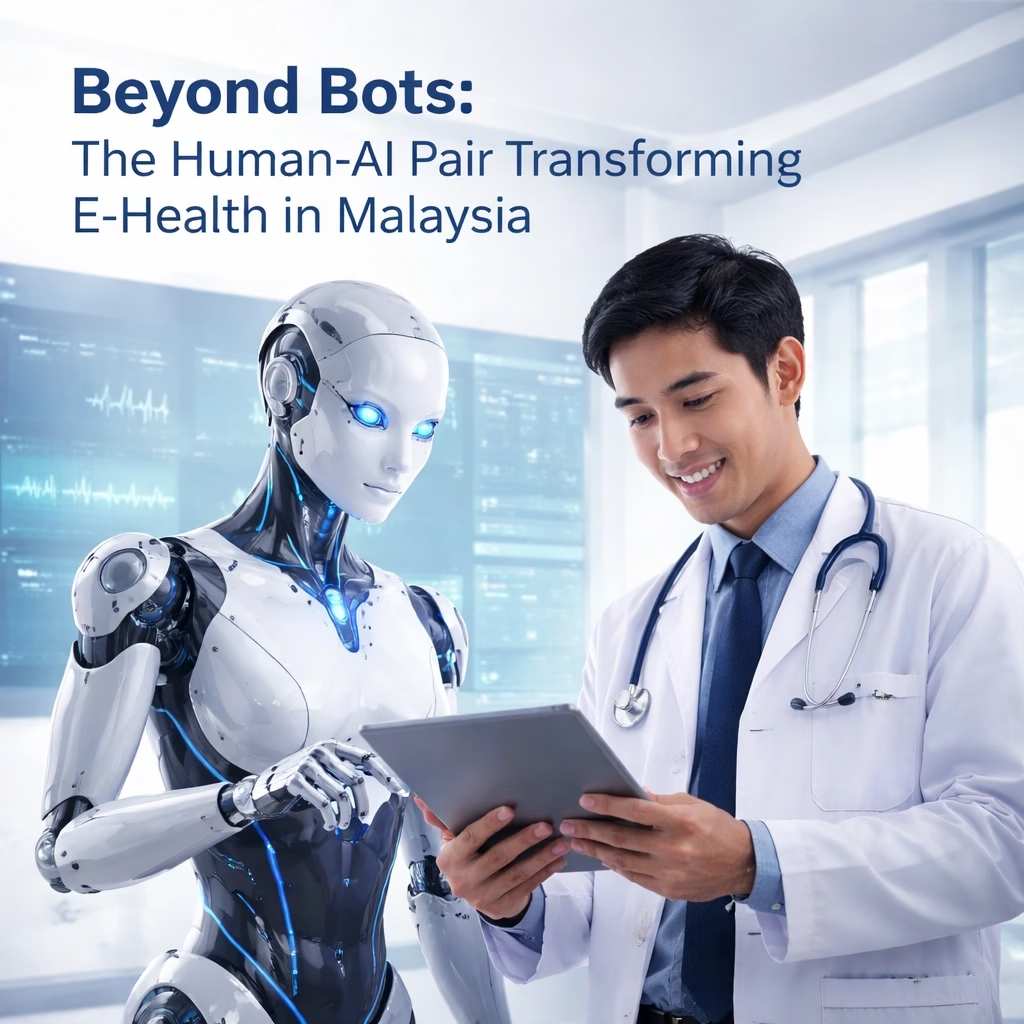
The most significant advancement has been the collaboration between AI and human professionals. Instead of replacing doctors, AI acts as a diagnostic assistant, analyzing medical images, predicting disease progression, and suggesting treatment plans. For example, AI-powered radiology tools have reduced interpretation time by 40%, allowing radiologists to focus on complex cases.
More Read

"AI doesn't replace expertise—it enhances it," says Dr. Nor Azlin, a radiologist at Hospital Kuala Lumpur. "We now spend less time on routine scans and more on patient care."
Patients, especially in rural areas, are the primary beneficiaries. AI-powered telemedicine platforms now provide remote consultations, while predictive analytics tools help manage chronic conditions like diabetes and hypertension. Hospitals report a 25% reduction in emergency room wait times due to AI-assisted triage systems.
Healthcare providers also benefit from reduced administrative burdens and improved decision-making support. The MOH estimates that AI tools have increased diagnostic accuracy by 30% in key specialties.
More Read

The government plans to expand AI-augmented healthcare to all public hospitals by 2025, with a focus on aging populations and rare diseases. Additionally, Malaysia is exploring AI-driven drug discovery and personalized medicine, positioning itself as a leader in Southeast Asia's digital healthcare revolution.