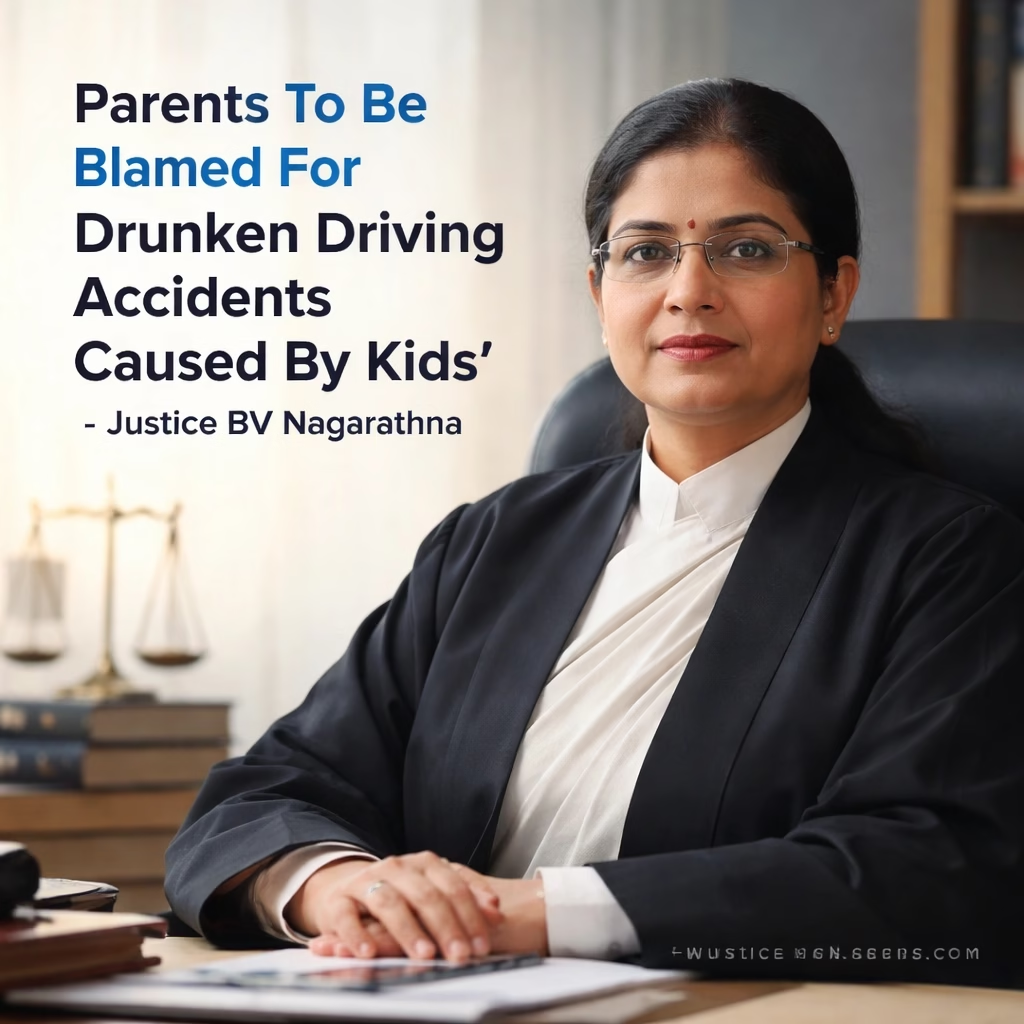
Child's Accident, Parents' Responsibility? New Legal Debate in India
A recent legal argument presented before Justice BV Nagarathna in the Supreme Court of India has ignited a debate about parental responsibility in cases of juvenile delinquency, specifically focusing on drunk driving incidents involving underage individuals. The case, brought to court in late 2023, raises complex questions about foreseeability and the extent of parental control.
Background
The legal framework surrounding juvenile offenses in India primarily rests on the Juvenile Justice (Care and Protection of Children) Act, 2015. This Act focuses on rehabilitation and restoration rather than punitive measures for minors. Traditionally, parental liability for a child's actions has been limited to situations involving direct negligence or failure to prevent a specific incident. However, the recent case before Justice Nagarathna suggests a shift towards considering potential foreseeability of future harmful actions based on parental behavior.
The legal debate gained traction following a series of incidents across India involving underage drivers causing accidents while under the influence of alcohol. These incidents, particularly prominent in urban areas like Bangalore and Mumbai, have prompted calls for stricter parental oversight and potential legal consequences for parents.
Key Developments
The case brought before Justice Nagarathna stemmed from an accident that occurred in Delhi on January 15, 2024. A 17-year-old driver, allegedly under the influence of alcohol, caused a collision resulting in injuries to several pedestrians. The driver's parents are now facing legal scrutiny, with the prosecution arguing that they should be held partially responsible due to alleged lax supervision and a history of enabling risky behavior.

The prosecution's argument hinges on the concept of 'foreseeability'. They claim that the parents were aware of their son's inclination towards risky behavior and failed to take adequate steps to prevent him from driving under the influence. Defense lawyers, however, contend that holding parents liable in such cases sets a dangerous precedent and unfairly penalizes them for actions beyond their direct control. They emphasize the child’s maturity and ability to make independent choices.
Justice Nagarathna has noted the complexity of the issue, stating that the court needs to carefully balance the need for accountability with the principles of juvenile justice.
Impact
The potential implications of this legal argument are far-reaching. If the court rules in favor of holding parents liable, it could create a significant deterrent against parental negligence and encourage greater parental involvement in monitoring their children’s activities, particularly regarding alcohol and driving.
More Read

The immediate impact is felt by the families of victims of drunk driving accidents. Many are seeking justice and accountability, viewing parental liability as a way to ensure that such incidents are not repeated. Beyond the immediate victims, the broader community is impacted by the rising number of drunk driving accidents, with significant economic and social costs.
Furthermore, the case could influence policy changes related to parental responsibility and juvenile justice reform across India. There's concern that overly broad parental liability could disproportionately affect low-income families who may lack the resources to provide constant supervision.
What Next
Justice Nagarathna is expected to deliver a judgment on this matter by the end of March 2024. The court's ruling will likely set a precedent for future cases involving parental responsibility for juvenile offenses.
Potential Outcomes
Limited Liability: The court might establish a limited form of parental liability, focusing on instances of demonstrable negligence or foreseeability.
No Liability: The court could uphold the existing legal framework, emphasizing the child’s autonomy and the limitations on parental control.
Policy Recommendations: Regardless of the ruling, the court might recommend policy changes, such as mandatory parental education programs on responsible parenting and the dangers of underage drinking.
The legal community and advocacy groups are closely watching the proceedings, anticipating a decision that will have a profound impact on the legal landscape surrounding juvenile delinquency in India. The case highlights the ongoing struggle to balance individual rights with societal safety and the crucial role of parental responsibility in shaping the future of young people.