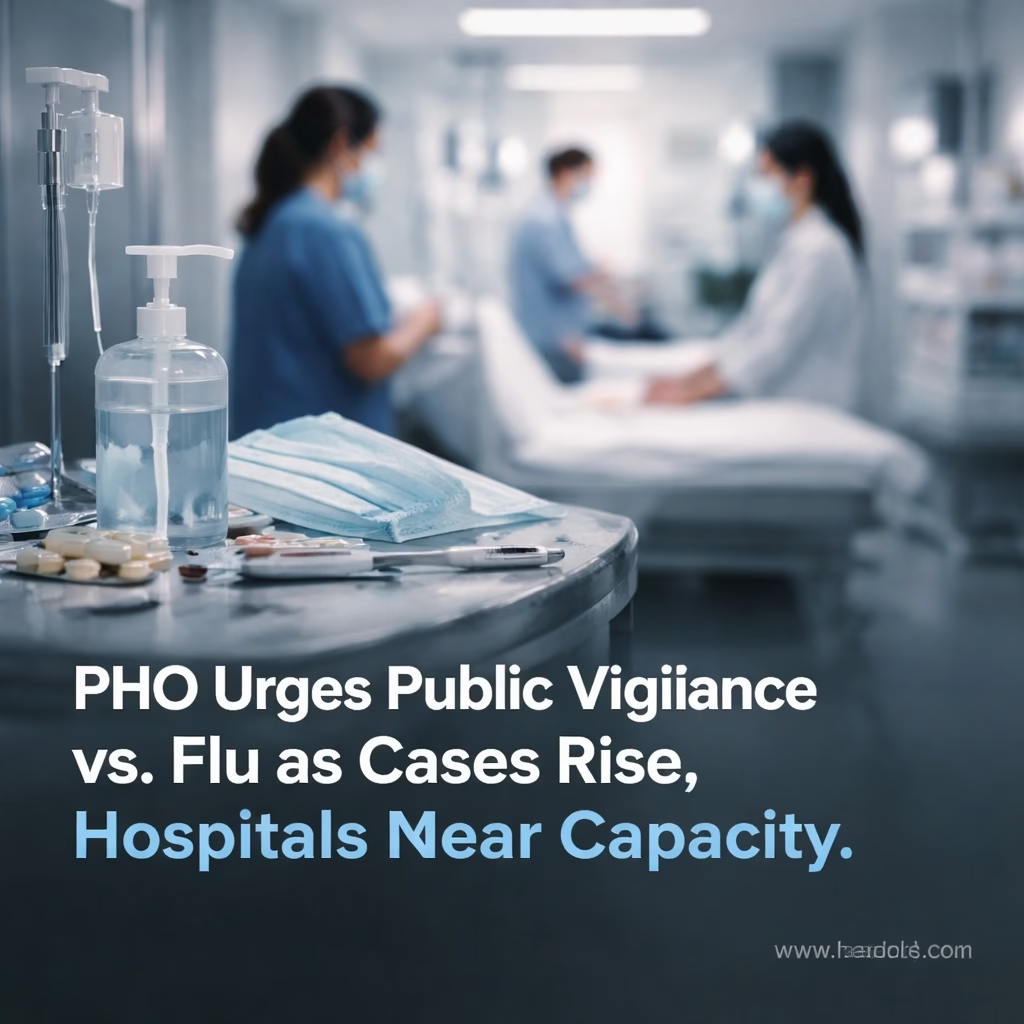
The nation's Public Health Office (PHO) has issued an urgent plea for public vigilance against a rapidly escalating flu season. With influenza cases surging across major urban centers and rural communities alike, hospitals are reporting near-capacity levels, particularly in emergency departments and intensive care units. This alarming development, observed throughout late November and early December, threatens to overwhelm healthcare infrastructure already stretched thin.
Background of a Brewing Storm
Influenza, a perennial challenge, typically follows a predictable seasonal pattern, with peak activity often observed from December through February in the Northern Hemisphere. For the past two years, however, flu circulation remained remarkably low, largely attributed to widespread public health measures implemented during the COVID-19 pandemic, such as masking, social distancing, and enhanced hygiene. This period of reduced exposure has potentially contributed to a diminished population immunity, leaving many more susceptible to the current wave.
Historically, the PHO monitors several key flu strains, including influenza A (H1N1 and H3N2) and influenza B. This season, preliminary surveillance data indicates a dominant circulation of an aggressive H3N2 strain, known for causing more severe illness, especially among the elderly and very young. The PHO's influenza surveillance network, comprising sentinel clinics and laboratories nationwide, began detecting an unusual uptick in positive tests in early November, which rapidly accelerated by the third week of the month.
Previous severe flu seasons, such as the one in 2017-2018, saw significant strain on hospitals, leading to extended wait times and bed shortages. The current trajectory, according to PHO Director Dr. Evelyn Reyes, mirrors or even surpasses the early indicators of those challenging periods. The agency had issued preliminary advisories in October, encouraging early vaccination, but uptake rates, particularly among younger adults, have remained below optimal targets.
More Read

Escalating Crisis: Key Developments
Over the past two weeks, the situation has intensified dramatically. The PHO reported a 35% increase in laboratory-confirmed influenza cases nationwide during the first week of December alone, following a 28% rise in the preceding week. This surge is translating directly into unprecedented pressure on healthcare facilities. Major hospitals in the National Capital Region, Central Luzon, and Calabarzon are now operating at an average of 90% bed occupancy for general wards, with respiratory isolation units and ICUs reaching critical thresholds of 95-98%.
Emergency departments are experiencing unprecedented patient volumes, with wait times for non-critical cases extending beyond 8-10 hours in some facilities. Hospitals like St. Jude Medical Center in Quezon City and Southern Plains General Hospital have initiated contingency plans, including deferring elective surgeries and converting non-medical spaces into overflow patient areas. Dr. Marco Santos, head of emergency medicine at St. Jude, described the situation as "a constant state of triage, making incredibly difficult decisions daily."
The PHO has ramped up its public awareness campaign, emphasizing the critical importance of flu vaccination for all eligible individuals aged six months and older. They are also strongly recommending strict adherence to basic health protocols: frequent handwashing, covering coughs and sneezes, and most importantly, staying home from work or school at the first sign of flu-like symptoms to prevent further transmission. Antiviral medications, such as oseltamivir, are being strategically distributed to healthcare providers, but supplies are being closely monitored given the sudden spike in demand.
More Read
Hospital Capacity Reaches Breaking Point
Reports from regional health offices confirm that several provincial hospitals are also struggling. In some rural areas, where medical resources are historically limited, patient transfers to larger urban centers are becoming increasingly difficult due to a lack of available beds elsewhere. This interconnected strain highlights the systemic vulnerability of the healthcare network when faced with a widespread health crisis. Staffing shortages, exacerbated by healthcare workers themselves falling ill, further compound the operational challenges.
Widespread Impact and Vulnerable Communities
The burgeoning flu crisis is casting a wide net of impact, affecting not just the healthcare system but also broader societal functions. The most vulnerable populations bear the brunt of severe illness. Children under five, particularly infants, and adults over 65 are experiencing higher rates of hospitalization and complications like pneumonia and bronchitis. Immunocompromised individuals, pregnant women, and those with underlying chronic health conditions such as asthma, diabetes, and heart disease are also at significantly elevated risk.
Beyond direct health consequences, the surge in illness is starting to ripple through the economy and daily life. Increased absenteeism from workplaces and schools is being reported across various sectors. Some school districts are considering temporary closures or shifting to online learning models if student and staff illness rates continue to climb. Public transportation hubs and crowded public spaces are identified as high-risk transmission environments, prompting calls for increased caution from commuters.
Healthcare workers, already fatigued from years of pandemic response, are facing immense pressure. Many are working extended shifts, grappling with emotional and physical exhaustion. The PHO acknowledges the critical role of these frontliners and is exploring measures to support them, including expedited testing and access to prophylactic antivirals where appropriate. The long-term psychological toll on medical professionals remains a significant concern.
What Lies Ahead: Navigating the Peak
The PHO projects that the peak of this flu season is still weeks away, likely occurring in late December or early January, aligning with typical seasonal patterns but amplified by current transmission rates. This forecast underscores the urgency of sustained public health interventions and individual responsibility.
PHO Director Dr. Reyes reiterated the agency's commitment to continuous monitoring of flu activity, hospital bed availability, and vaccine effectiveness. Regular public health bulletins will be issued to keep the public informed of the evolving situation. The agency is also coordinating with local government units to ensure localized responses are robust and tailored to community needs, including the establishment of community flu clinics to alleviate pressure on emergency rooms.

Proactive Measures and Future Preparedness
Looking forward, the PHO plans to launch targeted vaccination drives in underserved communities and implement enhanced surveillance systems to track emerging strains more effectively. Discussions are underway with pharmaceutical companies to ensure a steady supply of antiviral medications and future vaccine formulations. The current crisis serves as a stark reminder of the importance of robust public health infrastructure and sustained investment in preparedness for respiratory pathogen threats.
The public is strongly advised to complete their flu vaccinations, practice diligent hand hygiene, avoid touching their face, and wear masks in crowded indoor settings, especially if they are at higher risk or interacting with vulnerable individuals. The PHO emphasizes that collective action is paramount to mitigating the severity of this flu season and protecting the nation's healthcare system from further strain. The coming weeks will be critical in determining the ultimate trajectory of this challenging public health situation.