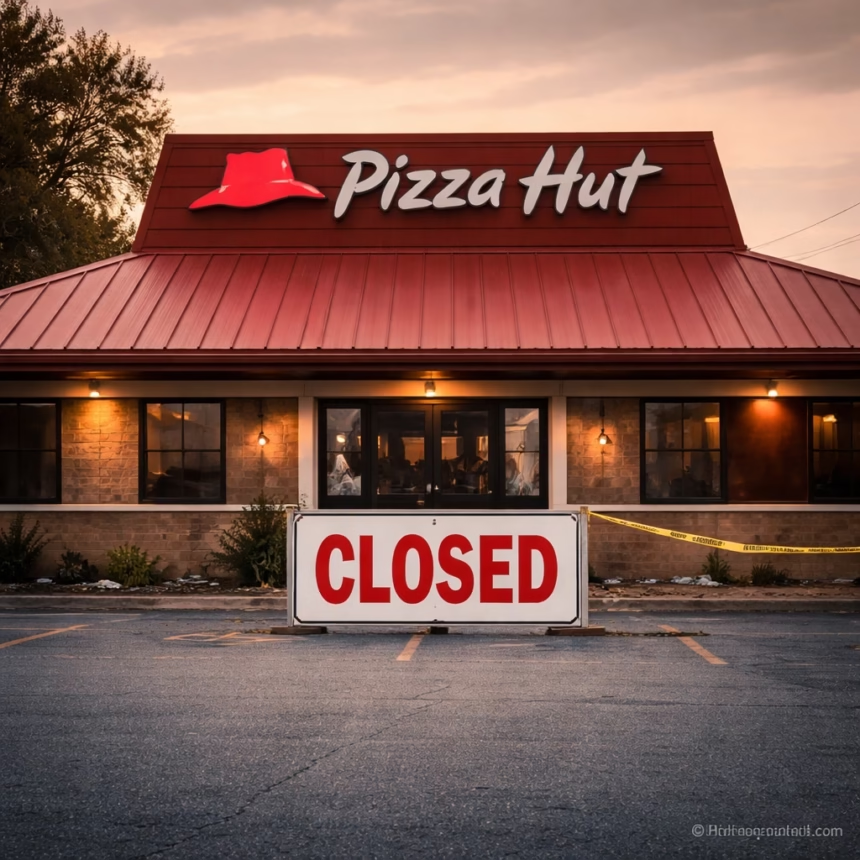
Pizza Chains Pulling Out: Hundreds of Restaurants Shutting Down
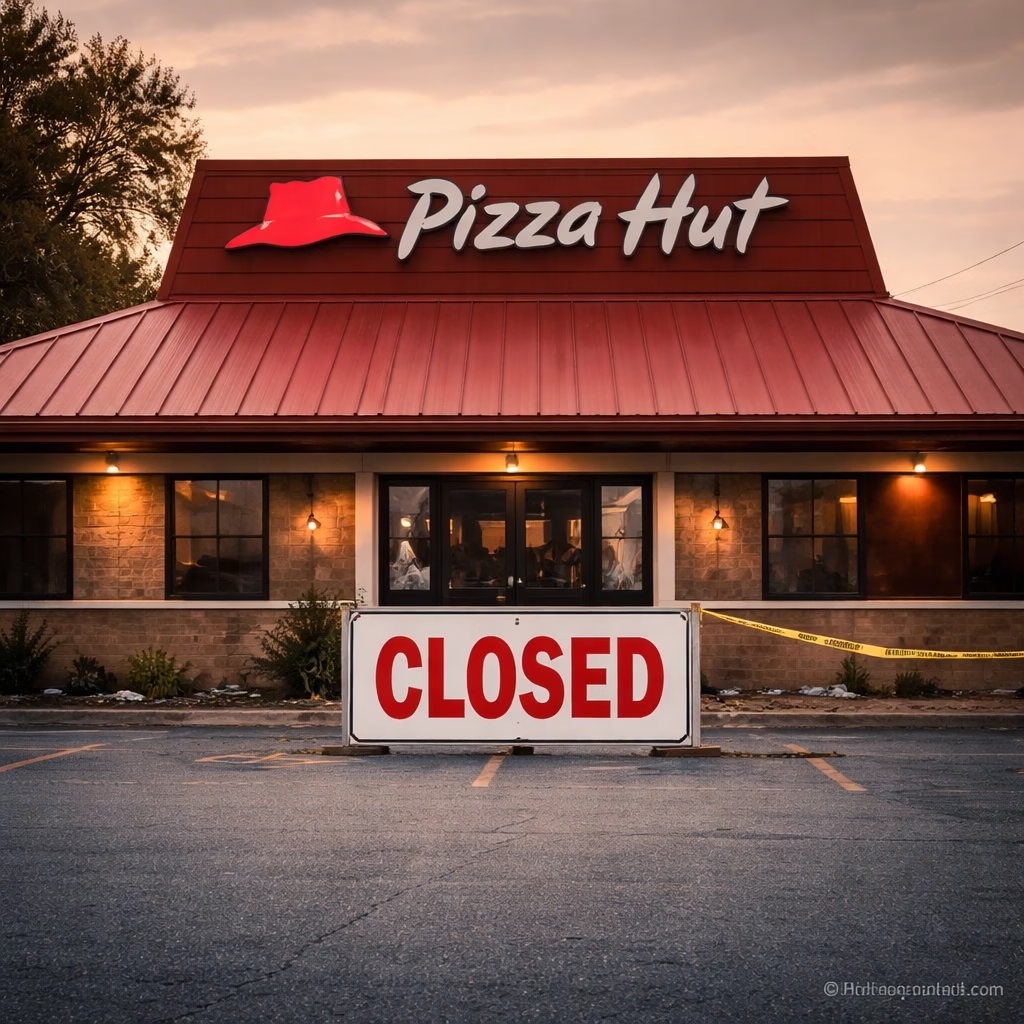
Pizza Hut, a long-standing fixture in the American dining landscape, is undergoing a significant restructuring, announcing plans to close hundreds of locations across the United States. The closures, slated to occur throughout 2024, signal a broader trend of consolidation within the restaurant industry.
Background: A History of Growth and Evolution
Founded in 1958 in Wichita, Kansas, Pizza Hut quickly grew to become one of the world's largest pizza chains. Throughout the late 20th and early 21st centuries, the company expanded rapidly, reaching over 18,000 restaurants in more than 100 countries. Pizza Hut has adapted to changing consumer preferences over the years, introducing new menu items, delivery options, and dining experiences.
In 2017, Pizza Hut was acquired by Yum! Brands, a global restaurant company that also owns KFC, Taco Bell, and The Habit Burger Grill. This acquisition brought greater resources and strategic direction, but also intensified competition in the fast-casual pizza market.

Key Developments: A Strategic Shift
The decision to close hundreds of locations was announced by Yum! Brands on January 17, 2024. According to the company, the closures are part of a broader strategy to optimize its restaurant portfolio and focus on higher-performing locations. The company estimates that approximately 1,500 to 1,800 restaurants will be affected by the closures across the US, with a gradual rollout planned throughout the year.
Yum! Brands CEO David Gibbs stated in a company statement that the closures are “necessary to improve profitability and strengthen our long-term growth.” He indicated that the company will prioritize investments in digital channels and select restaurant formats.
The company has not released a detailed list of the specific locations slated for closure, but reports indicate that underperforming locations in smaller towns and densely populated urban areas are most likely to be affected.
More Read

Focus on Digital and Delivery
A key driver behind the restructuring is Yum! Brands’ increased emphasis on digital ordering and delivery. The company is investing heavily in its online platform and partnering with third-party delivery services like DoorDash and Uber Eats.
Impact: Communities and Employees Affected
The closures will inevitably impact communities where Pizza Hut restaurants are closing, leading to job losses for employees. While Yum! Brands has stated its commitment to providing support to affected employees, the economic consequences can be significant for local economies.
The closures are particularly concerning for smaller towns and rural areas, where Pizza Hut restaurants often serve as a primary source of employment and a community gathering place. The loss of these businesses can negatively affect local tax revenues and economic activity.
Many affected employees are hoping for opportunities within Yum! Brands’ other restaurant chains, namely KFC and Taco Bell, but competition for these positions is expected to be high.
What Next: Future Plans and Restructuring
Yum! Brands plans to continue evaluating its restaurant portfolio and making adjustments as needed. The company intends to focus on strengthening its digital capabilities and expanding its presence in high-growth markets.
Analysts predict that the restructuring will continue throughout 2024 and into 2025, with further closures and potential relocations of existing restaurants.

The company is also exploring new restaurant formats, including smaller, more efficient locations designed for delivery and takeout. These new formats are expected to be rolled out in select markets in the coming months.
Yum! Brands is expected to report its financial results for the fourth quarter of 2023 on February 29, 2024, where further details about the restructuring plans may be revealed.