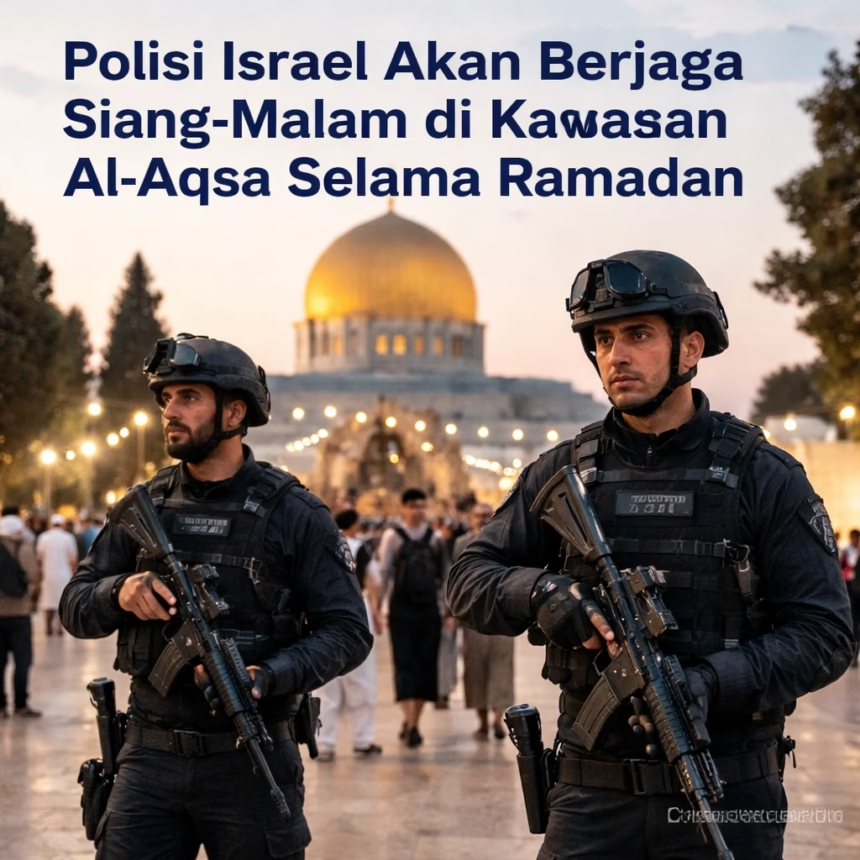
Tensions Rise: Israeli Security Tightens at Jerusalem's Holy Site
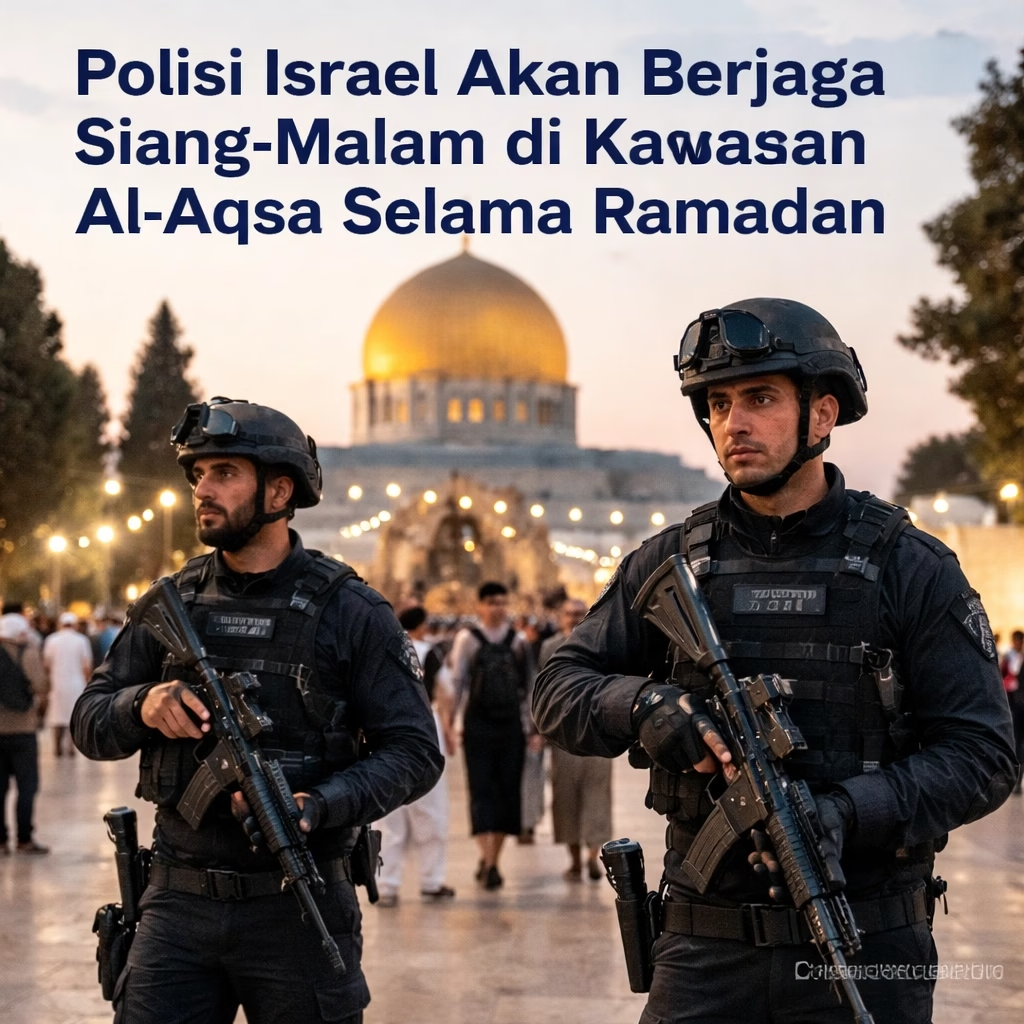
Israeli police are deploying around-the-clock security at the Al-Aqsa Mosque compound in Jerusalem throughout the month of Ramadan, starting March 2024. The move comes amidst heightened tensions and concerns over potential unrest at the site, a deeply significant location for Muslims and Jews alike.
Background: A History of Sensitivity
The Al-Aqsa Mosque compound, also known as the Temple Mount by Jews, has been a focal point of religious and political conflict for decades. Built on a site sacred to both faiths, it houses the Dome of the Rock and the Al-Aqsa Mosque. Access and control over the compound have been recurring sources of tension, particularly during religious holidays.
In recent years, the area has witnessed several escalations of violence, including clashes between Palestinians and Israeli police. These incidents often occur during Ramadan, when Muslims engage in increased prayer and religious observance at the site. The status quo, which dictates the hours of access and the level of security, has been subject to frequent adjustments and disputes.
Key Developments: A Shift in Security Posture
Israeli authorities announced the increased security measures earlier this month, citing concerns about potential disturbances during Ramadan. The deployment includes a significant increase in police presence, including specialized units, and the installation of additional security checkpoints around the compound. This marks a noticeable escalation compared to previous Ramadan periods.
More Read

Reports indicate that restrictions on entry for certain groups, particularly Palestinians aged 18 and over, have been temporarily implemented on several occasions. These restrictions have sparked outrage and accusations of religious discrimination from Palestinian officials and community leaders. The Israeli government maintains that the measures are necessary to maintain public order and prevent violence.
Specifically, access to the compound has been limited during peak prayer times and specific days of the month. The increased police presence is also intended to prevent any perceived attempts to alter the status quo of access to the various parts of the compound.
Impact: Concerns Across Communities
For Palestinians
The increased security measures and restrictions on access have had a significant impact on Palestinians, who view the Al-Aqsa Mosque compound as a symbol of their religious and national identity. Many fear that the measures will further restrict their ability to practice their faith freely.
The restrictions have also fueled anger and resentment, increasing the potential for protests and confrontations with Israeli security forces. Community leaders have expressed concerns about the potential for escalation and the impact on Ramadan observances.
For Israelis
While the security measures are intended to ensure the safety of Israeli worshippers and visitors, they have also raised concerns among some Israelis. Some worry that the increased security presence could further inflame tensions and lead to violence.
The deployment also presents logistical challenges for daily life in Jerusalem, with increased road closures and disruptions to public transportation expected near the compound.
What Next: Anticipating Potential Scenarios
The situation remains highly fluid, and the coming weeks are expected to be critical. Palestinian officials have called for a de-escalation of tensions and a return to the previous status quo.
Israeli authorities have stated their commitment to maintaining security and preventing any acts of violence. They have also indicated a willingness to engage in dialogue with Palestinian representatives to address concerns and find a way forward.
More Read

Potential Flashpoints
Key dates during Ramadan, such as Laylat al-Qadr (Night of Power), are often associated with increased tensions. Any perceived attempt to alter the status quo or restrict access to the compound could trigger a major escalation of violence.
Furthermore, the ongoing dispute over the status of the Temple Mount/Al-Aqsa Mosque remains a potential flashpoint. Any action perceived as favoring one faith over the other could have serious consequences.
International observers are closely monitoring the situation, with calls for restraint from both sides. The United Nations and other international organizations have urged all parties to avoid actions that could further escalate tensions and jeopardize the safety and security of worshippers.