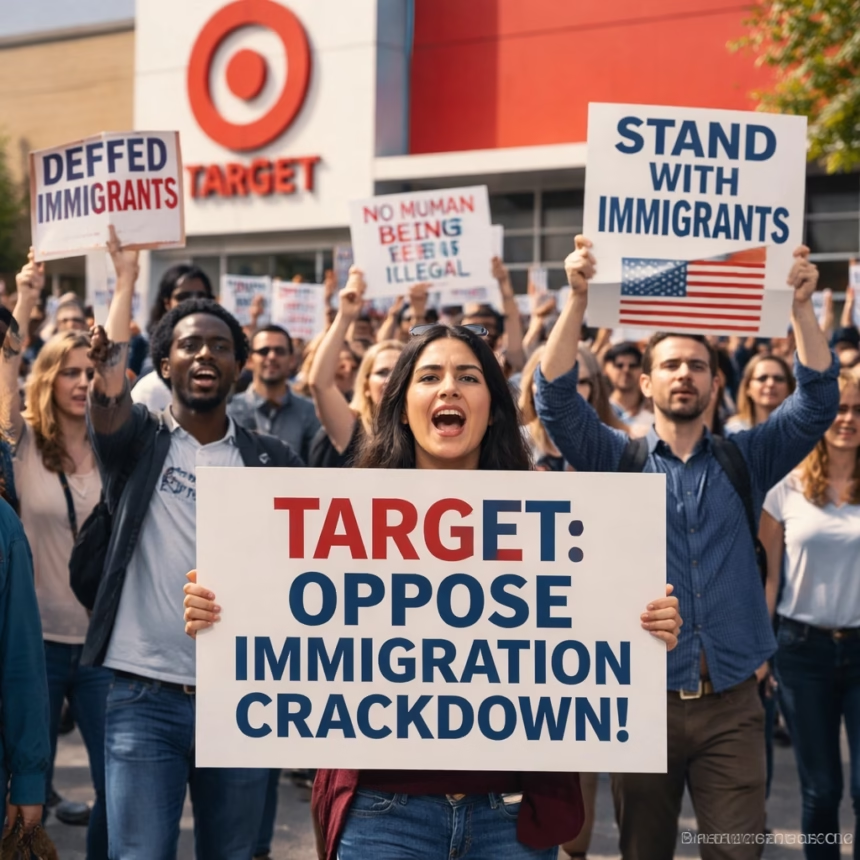
Retail Giant Faces Pressure Over Border Policy Stance
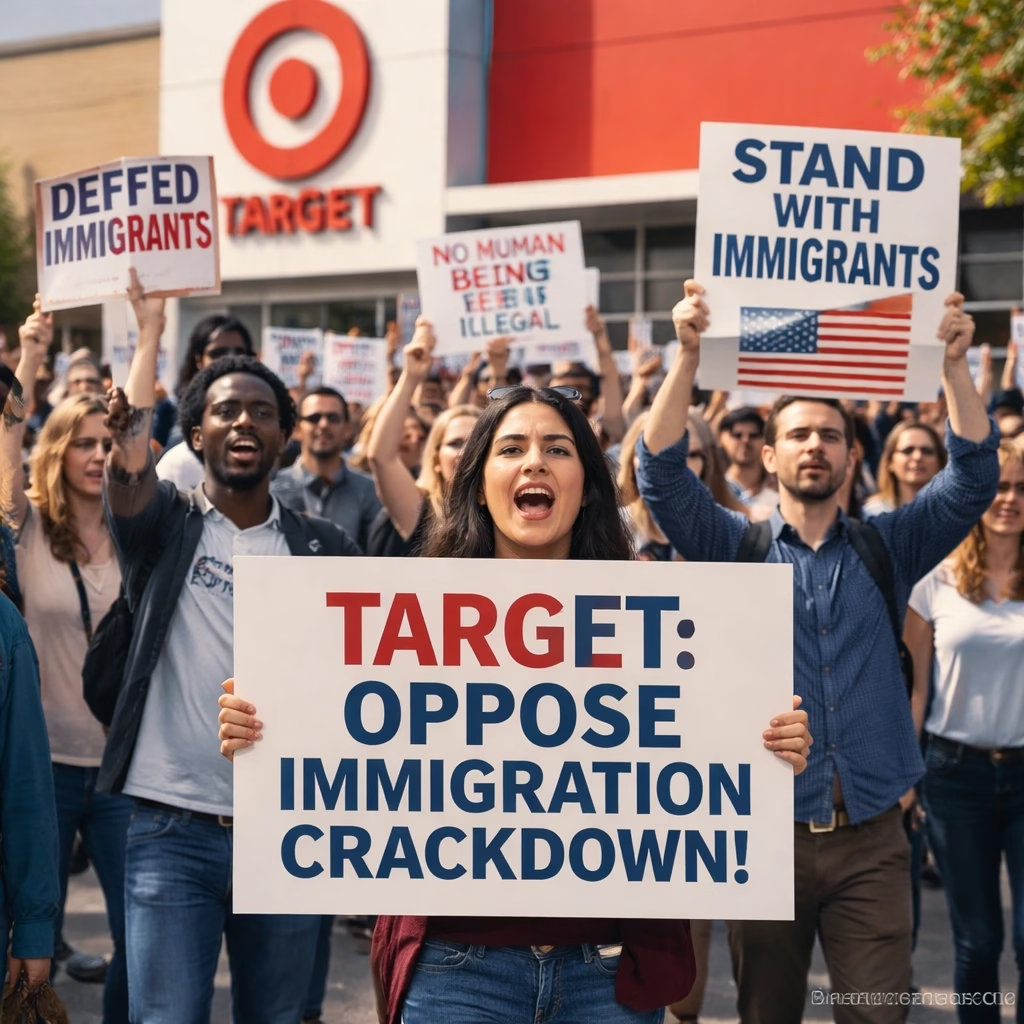
Retail chain Target is facing mounting pressure from protesters across several states to publicly oppose the recent immigration crackdown implemented in Minnesota. Demonstrations have taken place in Minneapolis, St. Paul, and other cities, highlighting concerns about the impact of the new policies on immigrant communities.
Background
Minnesota has a significant immigrant population, particularly from Somali and other African countries. In recent years, the state has seen increased political debate surrounding immigration, with differing views on border security and support for undocumented immigrants. Prior to the recent changes, Minnesota had a relatively welcoming environment for immigrants, particularly those seeking asylum. The state’s economy has historically benefited from immigrant labor, especially in sectors like agriculture and hospitality.
The current situation stems from a confluence of factors, including national discussions about border security and increased scrutiny of state-level immigration policies. These broader conversations have resonated strongly within Minnesota, where the impact of immigration reform is felt acutely.
Key Developments
The Minnesota legislature passed a bill in March 2023, significantly restricting access to state assistance programs for immigrants who are not U.S. citizens. The law requires stricter verification processes and limits eligibility for services like Medicaid and housing assistance. This legislation has been widely criticized by advocacy groups as discriminatory and harmful to vulnerable populations.

Following the passage of the bill, protests began to organize. Groups like the Somali Community Association and immigrant rights organizations have spearheaded demonstrations targeting Target, citing the company’s national presence and potential influence to advocate for policy change. Protests have involved marches, rallies, and social media campaigns, amplified by the hashtag #TargetStandUp.
Target’s initial response was a statement emphasizing its commitment to inclusivity and diversity, but stopping short of directly criticizing the Minnesota law or committing to specific action. This response has been met with criticism from protesters who argue that a more forceful stance is needed.
More Read

Impact
On Immigrant Communities
The new immigration policies are expected to disproportionately affect immigrant families and individuals living in Minnesota. Limited access to essential services like healthcare and housing can exacerbate existing vulnerabilities and create significant hardships. Many fear increased fear and reluctance to seek help, leading to negative health outcomes and further marginalization.
On Target
Target, a major employer in Minnesota, faces potential reputational damage from the protests. Customers are increasingly demanding that companies take a stand on social and political issues. The protests represent a challenge to Target’s brand image and could potentially impact consumer loyalty. Several local activist groups are organizing boycotts targeting the retailer.
On the Minnesota Economy
The long-term economic consequences of the policies are still unfolding. Reduced access to services could negatively impact the health and productivity of the immigrant workforce. Some businesses that rely on immigrant labor may face labor shortages.
What Next
Protesters plan to continue their campaign of pressure on Target, with further demonstrations scheduled in the coming weeks. They are calling for a public statement from Target’s leadership, a commitment to lobbying against restrictive immigration policies, and potentially a donation to organizations supporting immigrant rights.
Target’s leadership is expected to face increased scrutiny from shareholders and customers regarding its stance on the issue. The company’s response will likely be closely watched by other corporations facing similar pressure to address social and political concerns.
Legislative battles are ongoing in Minnesota regarding immigration policy. Advocacy groups are working to repeal or amend the recent legislation, while supporters maintain that it is necessary to ensure responsible use of state resources.
More Read

Potential Legislative Changes
Organizations like the Minnesota Immigrant Rights Group are lobbying state lawmakers to introduce bills aimed at restoring access to essential services for immigrants and addressing the perceived inequities of the current law. The success of these efforts remains uncertain, given the current political climate.