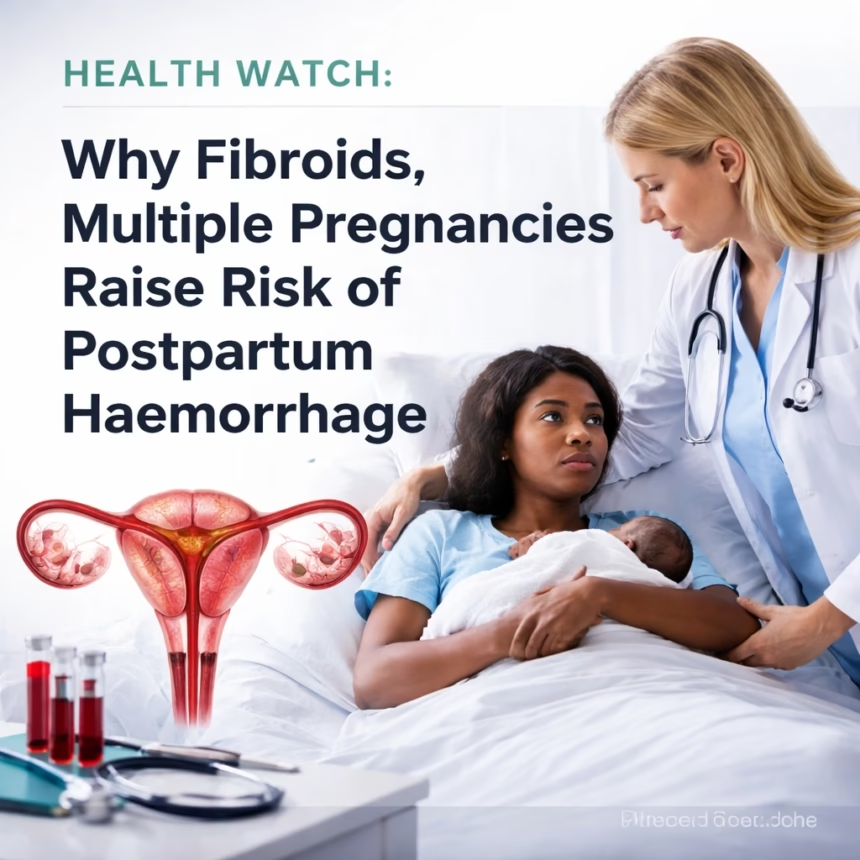
ABUJA, Nigeria – A leading medical expert has sounded the alarm on the escalating risk of postpartum haemorrhage (PPH) among women with uterine fibroids and those carrying multiple pregnancies. Speaking at the 2023 National Obstetric Summit held last week in the nation's capital, Dr. Amina Bello highlighted critical factors contributing to this life-threatening condition, urging enhanced vigilance among healthcare providers and expectant mothers.
Background: The Silent Threat of PPH
Postpartum haemorrhage, defined as blood loss of 500 ml or more within 24 hours after birth, remains a leading cause of maternal mortality worldwide. Globally, PPH accounts for approximately 25% of all maternal deaths, with a disproportionate burden in low-income countries, particularly sub-Saharan Africa.
Historically, uterine atony – the failure of the uterus to contract sufficiently after childbirth – has been identified as the primary cause of PPH, responsible for up to 80% of cases. Other factors include trauma to the birth canal, retained placental tissue, and coagulopathy (blood clotting disorders).
Understanding Uterine Fibroids
Uterine fibroids, also known as leiomyomas, are non-cancerous growths that develop in the uterus. They are remarkably common, affecting up to 70% of women by age 50, though many remain asymptomatic. Their presence during pregnancy can complicate gestation, leading to issues such as pain, preterm labor, and an increased likelihood of Caesarean section.
The Rise of Multiple Pregnancies
The incidence of multiple pregnancies, including twins, triplets, and higher-order multiples, has seen a significant increase over the past few decades. This trend is largely attributed to the rising average age of first-time mothers and the widespread use of Assisted Reproductive Technologies (ART) such as In Vitro Fertilization (IVF).
More Read

While a joyous event, multiple pregnancies inherently carry higher risks for both mother and babies, ranging from gestational hypertension and diabetes to preterm birth and, critically, PPH.
Key Developments: Expert Insights into PPH Risk Factors
During her presentation at the summit, Dr. Amina Bello, a Consultant Obstetrician-Gynaecologist at the National Hospital Abuja, meticulously detailed the mechanisms through which fibroids and multiple pregnancies significantly elevate PPH risk. Her insights, drawing on extensive clinical experience and recent research, underscore the need for tailored management strategies.
The Fibroid Connection: Impaired Uterine Function
Dr. Bello explained that uterine fibroids can impede the uterus's ability to contract effectively post-delivery. "The presence of fibroids, particularly large or numerous ones, can interfere with the normal muscle contraction of the uterus," she stated. "This leads to uterine atony, preventing the blood vessels at the placental site from constricting, resulting in excessive bleeding."
More Read

Furthermore, fibroids can distort the uterine cavity, potentially leading to an abnormally adherent or retained placenta, another known cause of PPH. Their increased vascularity can also contribute to more significant blood loss if the fibroids themselves are damaged during delivery or if the placenta detaches from a fibroid-rich area.
Multiple Pregnancies: Overstretching the Limits
For women carrying twins or more, the risk of PPH is substantially higher due to the sheer size and overdistension of the uterus. "A uterus that has been stretched excessively by multiple fetuses and larger placentas struggles to contract efficiently after birth," Dr. Bello elaborated. "This uterine fatigue, combined with a larger placental bed, creates an ideal scenario for profuse bleeding."
Additionally, multiple pregnancies often involve a larger total placental surface area or even multiple placentas, increasing the potential for bleeding sites. The increased likelihood of prolonged labor, instrumental delivery, or Caesarean section in multiple gestations further compounds the PPH risk, as each of these factors can contribute to uterine atony or trauma.
Dr. Bello cited recent data from a multi-centre study conducted across several teaching hospitals in Nigeria, which indicated that women with large fibroids had a PPH rate nearly three times higher than those without, and women with multiple pregnancies faced a two-fold increase in PPH compared to singleton pregnancies.
Impact: Who is Affected and Why it Matters
The implications of these elevated risks are profound, affecting not only the health and well-being of mothers but also their families and the healthcare system at large. PPH remains a critical public health challenge, particularly in regions with limited resources.
A Global Health Burden
In Nigeria, PPH contributes significantly to the country's high maternal mortality ratio, estimated at 512 deaths per 100,000 live births in 2018 by the World Health Organization (WHO). Reducing maternal deaths by addressing preventable causes like PPH is a key component of the Sustainable Development Goals (SDGs).
More Read

When PPH occurs, it can lead to severe anemia, requiring blood transfusions, prolonged hospital stays, and potentially hysterectomy in extreme cases to save the mother's life. Long-term consequences can include chronic fatigue, psychological trauma, and impaired fertility.
The Human Cost
Beyond the statistics, the human cost of PPH is immeasurable. A mother's death or severe morbidity impacts her children, family, and community, often leading to devastating social and economic consequences. Children who lose their mothers are more vulnerable to poor health and educational outcomes.
Healthcare systems also bear a substantial burden, requiring significant resources for emergency care, blood banking, and specialized medical personnel. Improved understanding and proactive management of PPH risk factors can alleviate this strain and save lives.
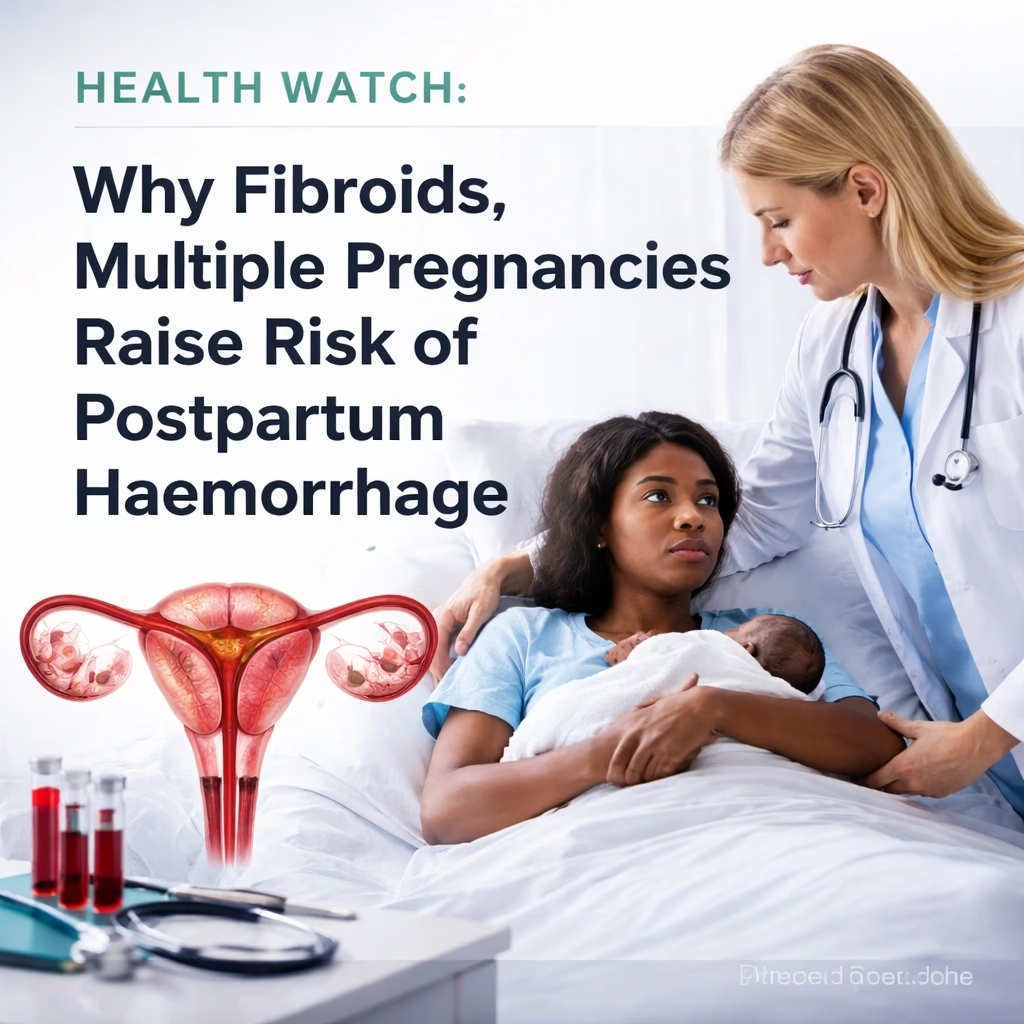
What Next: Towards Safer Deliveries
Dr. Bello concluded her presentation by outlining crucial steps for mitigating the risks associated with fibroids and multiple pregnancies, emphasizing a multi-pronged approach involving antenatal care, delivery room preparedness, and ongoing research.
Enhanced Antenatal Screening and Management
The expert called for more rigorous antenatal screening to identify women with fibroids, especially those with large or multiple growths, and those carrying multiple gestations. "Early identification allows for proactive management, including counselling on potential risks and developing a personalized birth plan," she advised.
For women with fibroids, this might involve careful monitoring throughout pregnancy. For multiple pregnancies, close surveillance for complications and timely intervention are paramount. She also advocated for nutritional support to prevent anemia, which can exacerbate the effects of blood loss during PPH.
Preparedness in the Delivery Room
Healthcare facilities must be adequately equipped and staffed to manage potential PPH cases, particularly for high-risk mothers. This includes ensuring access to uterotonic drugs (medications that help the uterus contract), readily available blood products, and trained personnel capable of performing rapid assessment and intervention.
"Every delivery room should be considered a potential PPH scenario, especially when dealing with high-risk patients," Dr. Bello stressed. "Training in PPH drills and immediate response protocols is non-negotiable for all obstetric care providers."
Future Directions and Policy
Looking ahead, Dr. Bello urged further research into novel methods for predicting and preventing PPH in these specific high-risk groups. She also called upon the Federal Ministry of Health and relevant professional bodies, such as the Society of Gynaecology and Obstetrics of Nigeria (SOGON), to update national guidelines to reflect these specific risk factors and recommend tailored management protocols.
The ultimate goal, she reiterated, is to reduce maternal morbidity and mortality by ensuring every woman, regardless of her pregnancy profile, has access to safe, high-quality care, paving the way for healthier mothers and families across Nigeria and beyond.