Queensland's Trash Troubles: A New Plan to Tackle Waste
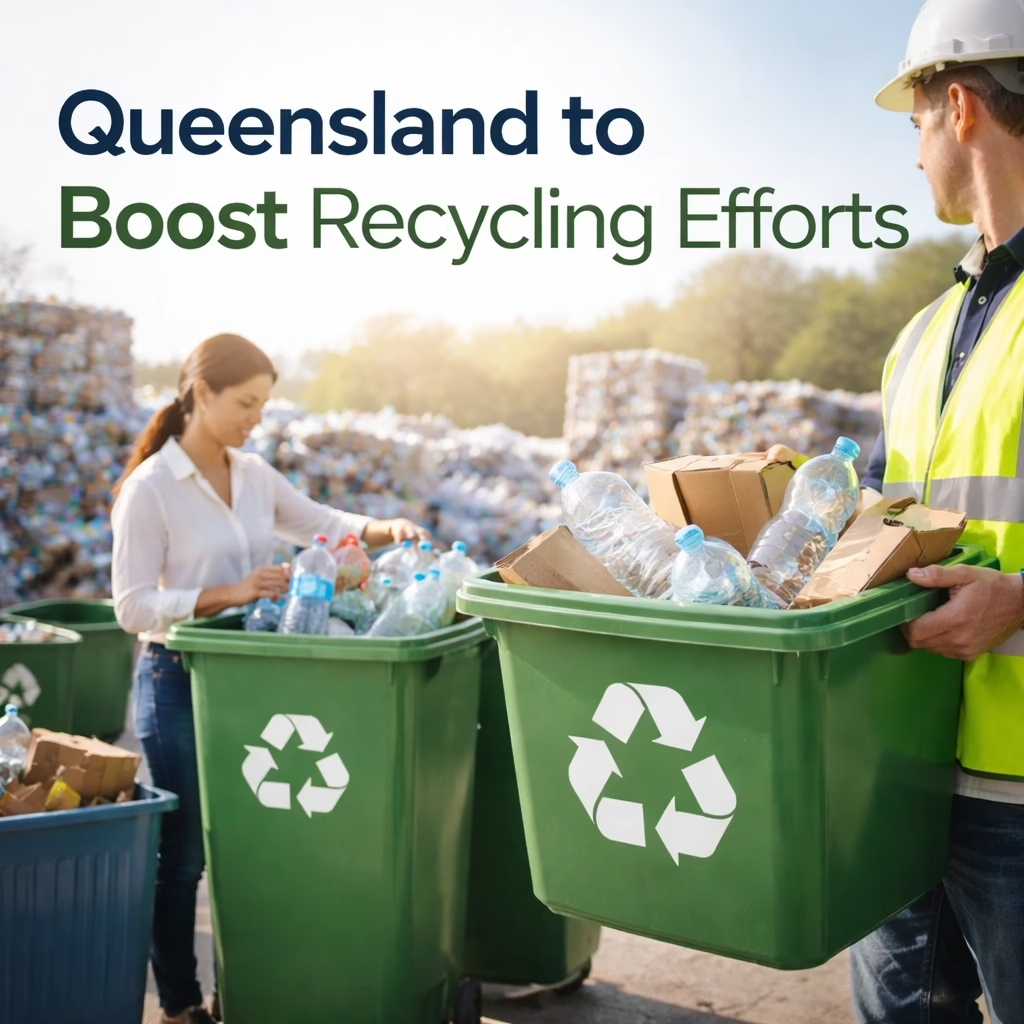
Queensland, Australia, is intensifying its efforts to improve recycling rates following recent reports indicating the state has fallen short of its waste reduction goals. The government has announced a series of new initiatives aimed at boosting recycling and minimizing landfill waste, effective immediately.
Background
Queensland has long grappled with waste management challenges. The state’s waste footprint has steadily increased, driven by population growth and consumption patterns. The Queensland Government initially set ambitious targets in 2019, aiming for a 70% diversion from landfill by 2030. However, the latest data, released on October 26, 2023, reveals that the state is currently projected to reach only 60% by that date.
Contributing factors include inconsistencies in recycling practices across different local councils, limited public awareness regarding proper sorting, and the fluctuating global market for recycled materials. The previous strategies focused primarily on infrastructure development and public education campaigns, with limited success in driving significant changes in recycling behavior.
Key Developments
In response to the missed targets, the Queensland Government has unveiled a comprehensive new waste management plan. This plan, announced on November 15, 2023, includes significant financial investments in modern recycling facilities, particularly in the Brisbane metropolitan area and regional centers like Townsville and Cairns. A key component is the implementation of a statewide standardized recycling system, aiming to reduce confusion and improve the quality of recycled materials.
The new plan also introduces stricter regulations for waste producers, including businesses and manufacturers, requiring them to take greater responsibility for the end-of-life management of their products. This includes extended producer responsibility (EPR) schemes for certain categories of goods, such as electronics and packaging. Furthermore, the government is allocating funding for research and development into innovative waste-to-energy technologies.
Standardized Recycling System
The new recycling system will utilize a color-coded bin system across Queensland. This aims to simplify the sorting process for residents and businesses, minimizing contamination and improving the value of recycled materials. Information regarding the specific materials accepted in each bin color will be widely disseminated through public awareness campaigns.
Impact
The changes will affect all Queensland residents and businesses. Households will see changes to their recycling bins and sorting procedures. Businesses will face new obligations regarding waste management and product stewardship. The financial implications are varied; households may experience slight adjustments to waste management fees, while businesses may incur costs associated with complying with EPR schemes.
More Read

However, the long-term benefits are expected to outweigh the initial costs. Increased recycling will reduce the amount of waste sent to landfill, conserving valuable land resources and minimizing environmental pollution. The development of a stronger recycling industry is also anticipated to create new jobs in processing and manufacturing.
What Next
The Queensland Government has set several key milestones for the implementation of the new waste management plan. The standardized recycling system is slated to be rolled out across the state by July 1, 2024. The first EPR schemes are expected to be implemented by the end of 2024, focusing initially on specific categories of products.
The government will be closely monitoring the progress of these initiatives and will conduct regular reviews to assess their effectiveness. Public feedback will be actively sought throughout the implementation process. A comprehensive report on the state's waste management performance will be released in December 2025, evaluating progress towards the 70% diversion target.
Community Engagement
The Queensland Government is emphasizing the importance of community engagement in achieving its recycling goals. Local councils will be hosting workshops and information sessions to educate residents about the new system. Online resources and educational materials will also be made available to the public through the Queensland Government website.