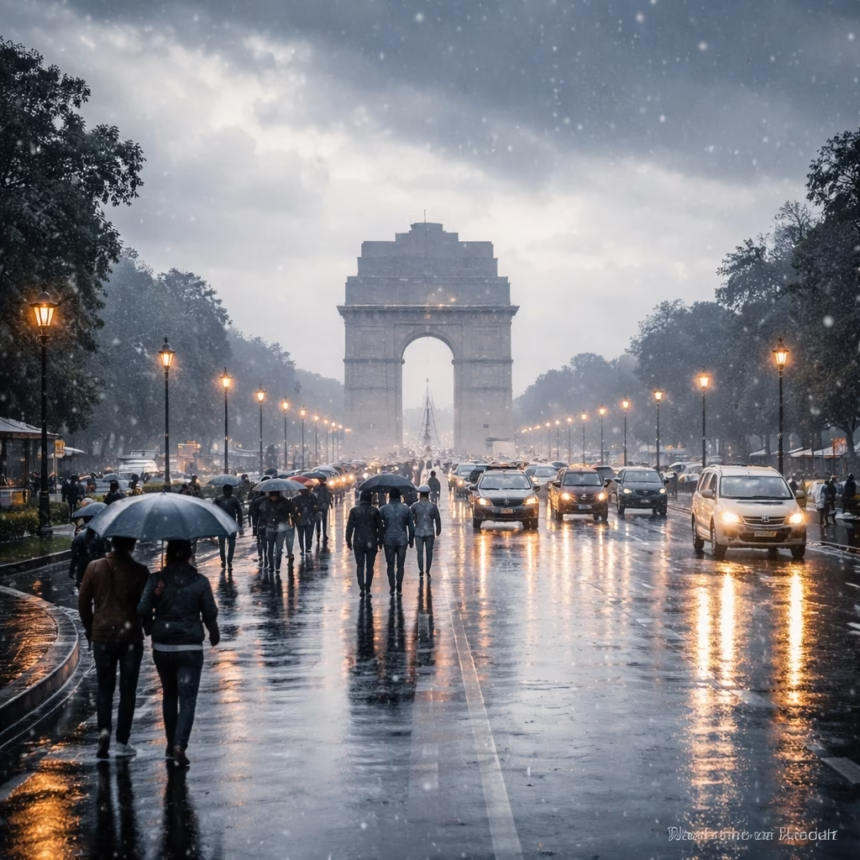
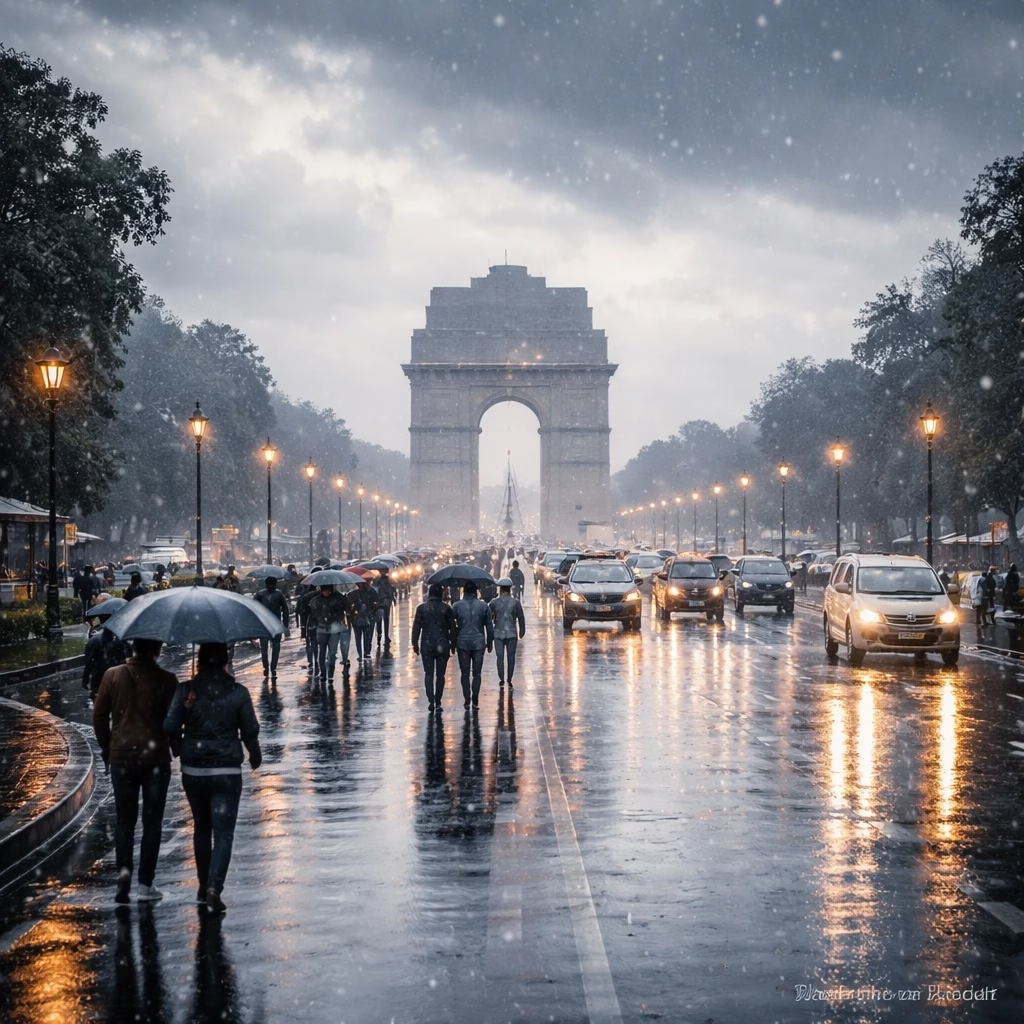
A significant weather system is poised to sweep across North India starting Monday, bringing widespread rain to the plains and heavy snowfall to higher altitudes. While mountainous regions brace for wintry conditions, the national capital, Delhi, is expected to experience a notable rise in its mercury levels. This meteorological shift marks a crucial period for the region's climate and daily life.
Background: Context and Meteorological Timeline
The impending weather event is a classic manifestation of a Western Disturbance (WD), an extratropical storm originating in the Mediterranean region that travels eastward, bringing vital winter precipitation to the Indian subcontinent. These systems are indispensable for replenishing water resources and supporting the agricultural cycle, particularly for the Rabi crops.
This winter season has, until recently, seen relatively weaker or sporadic WDs, leading to a noticeable deficit in precipitation across parts of Himachal Pradesh and Uttarakhand. This shortfall had raised concerns regarding water reservoirs and the crucial snow cover essential for spring melt. The current system is anticipated to compensate for some of this deficit.
Historically, January and February represent the peak months for WD activity, characterized by intermittent spells of rain and snow, typically followed by clear, cold conditions. The present system aligns with this historical pattern but is projected to exhibit greater intensity compared to its immediate predecessors this season.
Prior to the WD's arrival, an anticyclonic circulation over Rajasthan and its adjoining areas had contributed to a period of clear skies and relatively stable, albeit cold, conditions across the northern plains. This atmospheric setup is now being disrupted by the approaching disturbance, paving the way for significant meteorological changes.
The primary impact of this particular Western Disturbance is expected to commence from late Sunday night, intensifying throughout Monday and Tuesday, before gradually weakening by Wednesday, indicating a sustained period of weather activity.
Key Developments: Recent Meteorological Shifts
The latest Western Disturbance has been meticulously tracked over Afghanistan and Pakistan, exhibiting a robust structure and substantial moisture content. Its trajectory indicates a direct approach towards the Indian subcontinent with notable speed and intensity, signaling a powerful weather event.
Forecast models highlight a crucial interaction: this WD is projected to merge with moisture-laden easterly winds originating from the Bay of Bengal. This atmospheric convergence is set to significantly enhance its precipitation potential, particularly over key agricultural regions such as Punjab, Haryana, and parts of Uttar Pradesh.
A notable aspect of this system is the anticipated lowering of the snowline. Initial forecasts suggest that snowfall could occur at altitudes lower than typically observed, potentially affecting popular hill stations like Shimla and Mussoorie with substantial snow accumulations, extending beyond the higher reaches of Himachal Pradesh and Uttarakhand.
The plains, encompassing the Delhi-National Capital Region (NCR), Chandigarh, and Western Uttar Pradesh, are bracing for moderate to heavy rainfall. Accompanying these downpours, thunderstorms and gusty winds are also predicted in isolated pockets, adding to the severity of the weather conditions.
For Delhi, a distinct temperature shift is on the horizon. The arrival of the WD, coupled with extensive cloud cover, will effectively trap heat, preventing the usual radiative cooling at night. This phenomenon, combined with the advection of warmer air ahead of the system, is the primary driver behind the anticipated rise in both minimum and maximum temperatures in the capital. Minimum temperatures, which have been in single digits, could climb to over 10-12 degrees Celsius, offering a temporary respite from the intense cold.
Impact: Who and What is Affected
Agricultural Concerns
The timing of this rain and snow is critical for the ongoing Rabi crop season. Crops such as wheat, barley, mustard, and gram, which are in crucial growth stages, stand to be significantly affected. While early winter rains are generally beneficial for replenishing soil moisture, excessive or untimely precipitation, especially if accompanied by hailstorms, can lead to adverse outcomes like lodging (the flattening of crops) and increased susceptibility to fungal diseases.
Farmers in Punjab and Haryana, key contributors to India’s food security, are particularly vigilant. Standing wheat crops, which are nearing maturity, could be vulnerable to strong winds and heavy downpours. In the hill states, horticulture, especially apple orchards, could benefit from adequate snow accumulation, which provides insulation and a steady supply of moisture during the crucial spring budding period. However, exceptionally heavy snow can also pose a risk of damage to young trees and infrastructure.
Travel Disruptions
Road transport is expected to face significant challenges. Heavy snowfall is highly likely to lead to the closure of key national highways and state roads connecting major towns in Jammu & Kashmir, Himachal Pradesh, and Uttarakhand. This includes vital arteries like the Srinagar-Leh Highway, Manali-Leh Highway, and routes leading to popular tourist destinations such as Gulmarg, Shimla, and Nainital, potentially isolating communities and stranding travelers.
Air travel will also be impacted. Low visibility conditions resulting from rain, fog, and extensive cloud cover could cause widespread delays or cancellations of flights at airports in Srinagar, Leh, Chandigarh, and Delhi. The railway network across the northern plains could also experience disruptions, with rain and fog contributing to significant train delays.
Power and Utilities
Strong winds and heavy snow accumulations have the potential to damage power lines and associated infrastructure, leading to localized power outages, particularly in the more remote and higher altitude regions. While snowmelt is crucial for summer water supply, immediate heavy rainfall can temporarily increase turbidity in rivers, potentially affecting the operations of water treatment plants and urban water supply.
Health and Daily Life
The fluctuating temperatures and increased atmospheric moisture can exacerbate existing respiratory conditions and contribute to a rise in the incidence of common colds and influenza. Despite the anticipated temperature rise in Delhi, the overall dampness and the subsequent post-rain chill will necessitate continued use of warm clothing. Local administrations in severely affected districts, especially in the hill states, may issue advisories for school closures, depending on the intensity of snowfall and the condition of local roads, prioritizing the safety of students.
Tourism Sector
The tourism sector faces a mixed bag of impacts. Hill stations popular for winter sports and scenic beauty anticipate a rush of tourists eager to experience fresh snowfall, potentially boosting local economies. However, concurrently issued travel advisories and the high probability of road closures could deter some visitors, leading to a variable impact on tourism. Operators in destinations like Gulmarg, Manali, and Auli are preparing for increased footfall but are also bracing for significant logistical and safety challenges.
What Next: Expected Milestones and Outlook
Peak Intensity and Duration
The current weather system is projected to reach its peak intensity across North India on Monday night and Tuesday morning. Widespread precipitation, encompassing both rain in the plains and heavy snowfall in the mountains, is expected to continue for approximately 36 to 48 hours from its initial onset. The highest snowfall accumulations are anticipated in the Pir Panjal range, the Dhauladhar range, and parts of the Great Himalayan range within Himachal Pradesh and Uttarakhand.

Gradual Clearing
By Wednesday, the Western Disturbance is forecast to track eastward, leading to a gradual reduction in precipitation across the affected regions. Clear skies are largely anticipated to return to most parts of the northern plains by Thursday morning. However, isolated light rain or drizzle might persist in parts of Uttar Pradesh and Bihar as the tail-end of the system finally exits the region.
Post-System Conditions
Following the passage of the WD, a significant drop in temperatures is expected across North India, including the national capital, Delhi. With clear skies returning and a fresh influx of cold air mass, minimum temperatures could plunge back into single digits or even lower by the upcoming weekend, ushering in a renewed spell of intense cold. Furthermore, the increased moisture from the recent rainfall, combined with falling temperatures and calm winds, could lead to the formation of dense fog in the plains, particularly in Punjab, Haryana, and Uttar Pradesh, for several days after the system clears. This post-system fog could further impact visibility and transportation networks.
Government Advisories and Preparedness
State disaster management authorities in Jammu & Kashmir, Himachal Pradesh, and Uttarakhand have proactively issued comprehensive advisories. These urge residents and tourists alike to take necessary precautions, strictly avoid non-essential travel to higher altitudes, and prepare for potential disruptions to daily life and essential services. Emergency services, including road clearing teams and medical response units, are on high alert and standby to address road blockages, power outages, and any other exigencies that may arise from the severe weather conditions. Farmers across the affected plains are also advised to take all possible protective measures for their standing crops to mitigate potential damage.