Easing the Traffic Nightmare: Recto-Divisoria Gets a Breath of Fresh Air
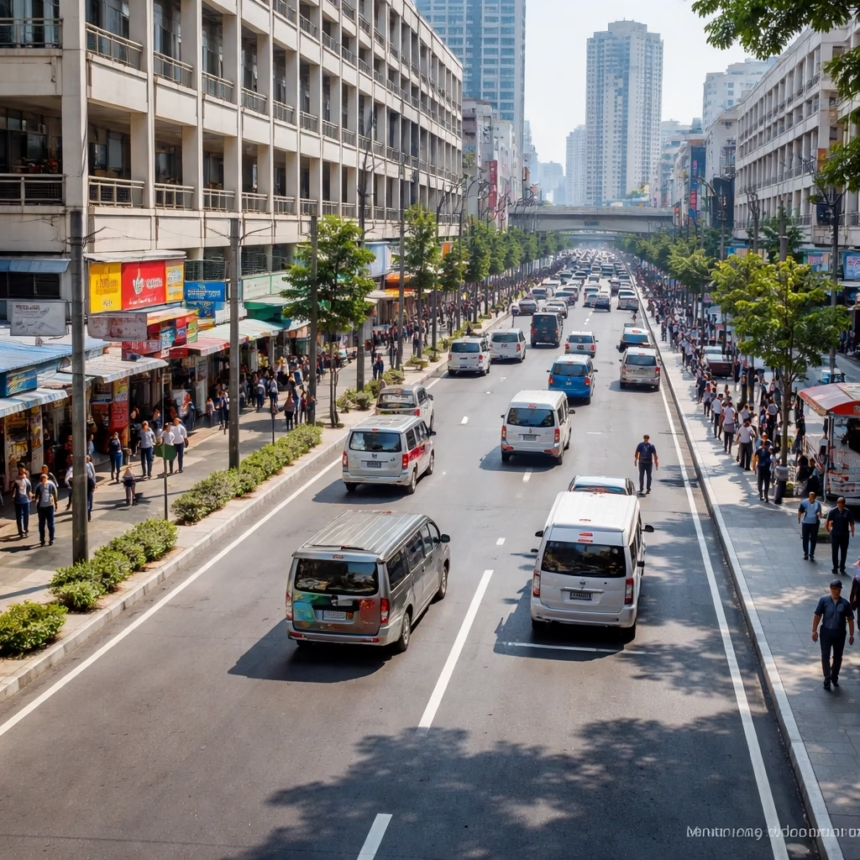
Manila's notorious Recto-Divisoria area is experiencing significant improvements, promising smoother traffic flow and a more accessible environment for commuters and businesses. The Manila City Government (Manila LGU) recently announced the completion of key clearing operations, marking a substantial step towards long-sought traffic solutions in the bustling commercial district.
Background: Decades of Congestion
The Recto-Divisoria area, a major commercial and transportation hub in Manila, has long been plagued by severe traffic congestion. The area's complex network of streets, coupled with a high volume of pedestrian and vehicular traffic, created bottlenecks and significantly impacted the daily lives of residents, shoppers, and business owners. For years, traffic woes have been a persistent concern for the city, prompting numerous attempts at mitigation, many with limited success.
The current revitalization efforts are a culmination of several years of planning and preliminary work. The Manila LGU initiated a comprehensive road clearing program in early 2023, aiming to address illegal parking, अतिक्रमण, and poorly maintained road infrastructure. This phase included coordinating with various agencies, including the Bureau of Sanitation and the Manila Traffic Enforcement Agency (MTEA), to ensure a coordinated and effective approach.
Key Developments: Clearing the Way
The most recent phase of the project involved the removal of illegal stalls and structures along key thoroughfares within the Recto-Divisoria area. These operations, which began in late November 2023 and continue in phases, targeted areas known for significant obstructions to traffic flow. Specifically, focus has been placed on Avenida Rizal, Quiapo, and surrounding side streets.
More Read

The Manila LGU deployed a combination of enforcement and relocation efforts. Business owners operating illegally were given notices and opportunities to comply with regulations. Those who failed to do so faced removal of their stalls and structures. The city also provided assistance to displaced vendors, offering alternative locations and livelihood opportunities through partnerships with various organizations.
Beyond clearing, the project also includes road repairs and improvements, such as pothole filling and the resurfacing of damaged sections. These infrastructure upgrades are crucial for ensuring the long-term effectiveness of the traffic management initiatives.
Impact: Relief for Commuters and Businesses
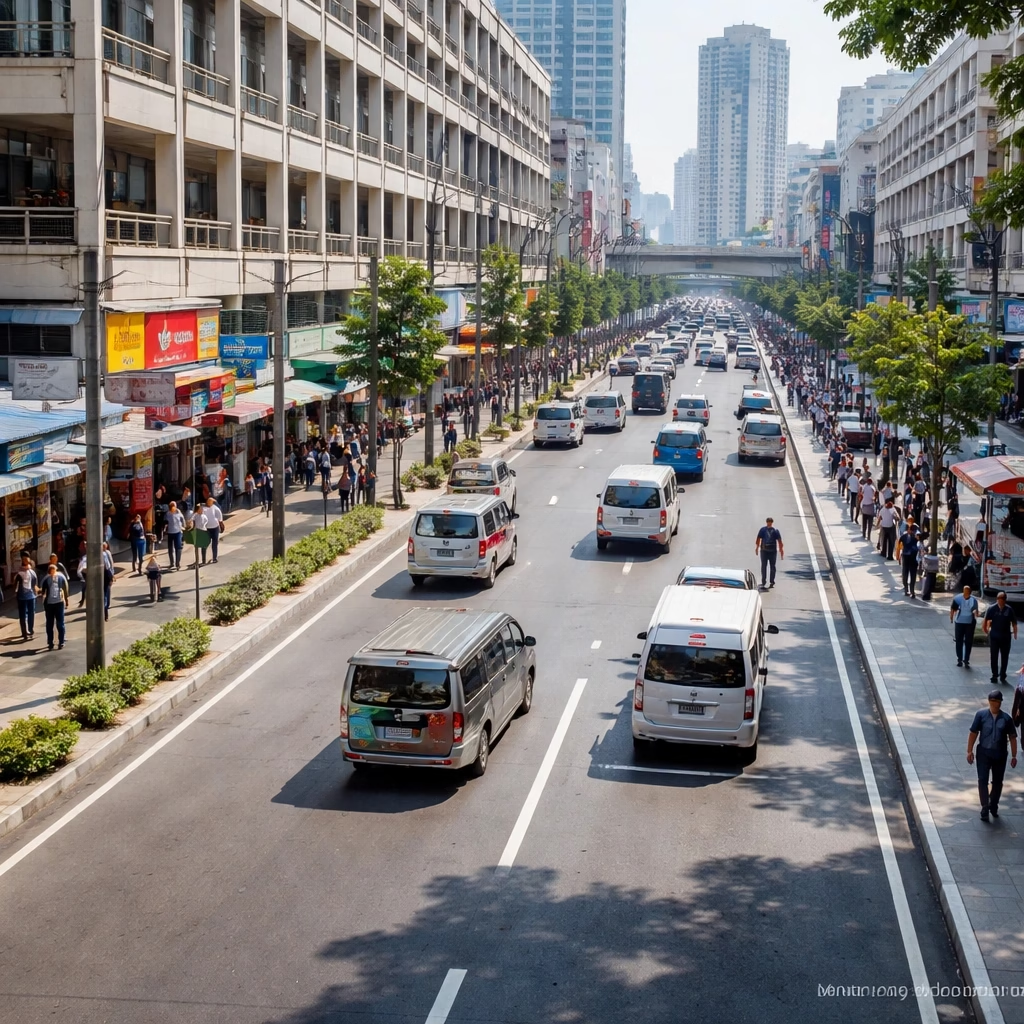
The clearing operations are already yielding positive results, with noticeable improvements in traffic flow during peak hours. Commuters traveling through the area report shorter travel times and reduced frustration. The Manila LGU estimates a 15-20% reduction in average travel time during rush hour in targeted areas since the start of the clearing program.
More Read

Local businesses are also expected to benefit from the improved accessibility. Reduced traffic congestion is anticipated to attract more shoppers and customers to the area, boosting economic activity. The cleaner environment and improved aesthetics are also projected to enhance the overall appeal of Recto-Divisoria.
However, the transition hasn't been without challenges. Some vendors have expressed concerns about the relocation process and the availability of affordable business spaces. The Manila LGU has pledged to continue working with affected vendors to address their concerns and provide ongoing support.
What Next: A Sustainable Solution
The Manila LGU plans to continue its efforts to address traffic congestion in Recto-Divisoria. Future initiatives include the implementation of stricter traffic regulations, the development of a comprehensive traffic management system, and the exploration of alternative transportation options.
Traffic Management System
The city is exploring the installation of smart traffic lights and the implementation of a real-time traffic monitoring system. This will allow for dynamic adjustments to traffic signal timings based on current traffic conditions, optimizing flow and minimizing delays.
Vendor Relocation and Support
The Manila LGU is committed to providing long-term support to relocated vendors. This includes facilitating access to financing, providing training programs, and connecting them with potential customers and business partners. The city is also looking into establishing designated commercial zones for vendors to operate legally and safely.
More Read

Public Transportation Enhancements
Improving public transportation options is a key component of the city's long-term strategy. This includes enhancing the existing bus routes, exploring the possibility of implementing a rapid transit system, and promoting the use of jeepneys and other affordable modes of transportation.
The Manila LGU anticipates that the complete revitalization of Recto-Divisoria will take several years, but the initial progress is encouraging. The ongoing efforts demonstrate a commitment to creating a more livable and accessible city for all residents and visitors.