Digital Frontier: Davao City Embraces Remote Work Revolution by 2026
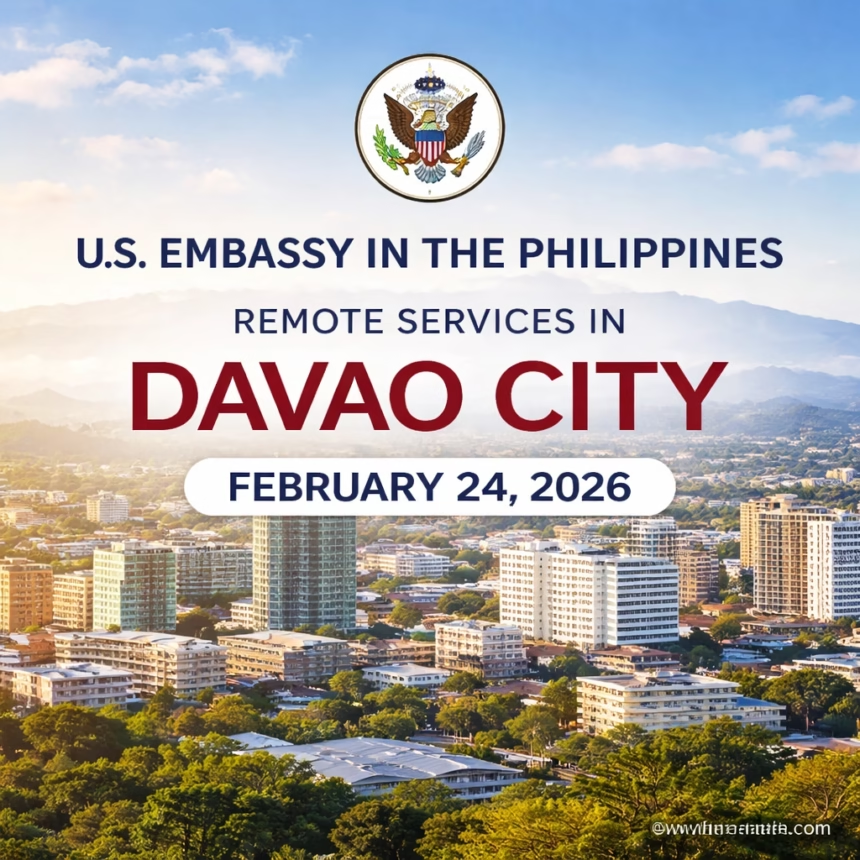
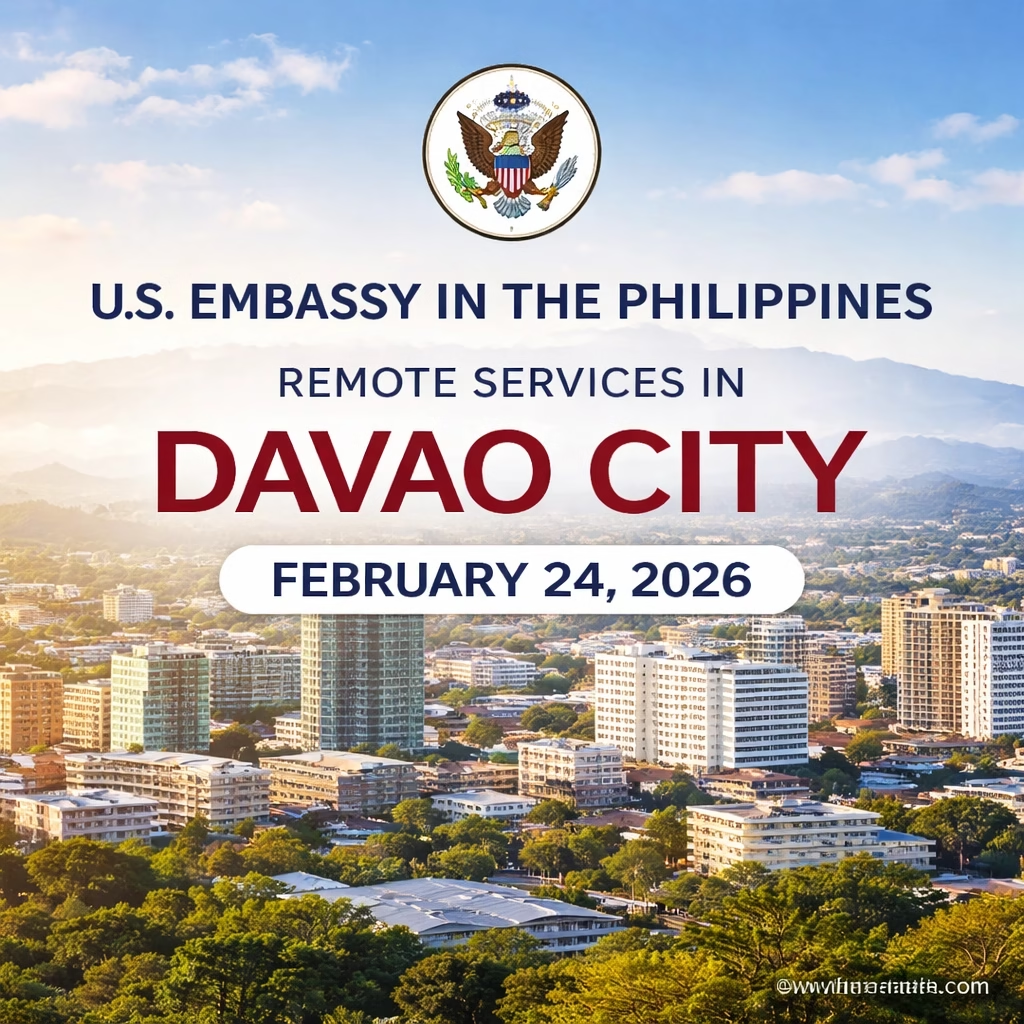
Davao City, Philippines is preparing for a significant surge in remote work opportunities on February 24, 2026, facilitated by initiatives supported by the U.S. Embassy in the Philippines. This development aims to bolster the local economy and create new pathways for employment.
Background
The rise of remote work accelerated globally, particularly during the COVID-19 pandemic. The U.S. Embassy in the Philippines has been actively engaged in supporting the development of digital infrastructure and skills training programs across the country. This initiative in Davao City is a culmination of several years of collaborative efforts with local government units (LGUs), private sector companies, and educational institutions.
Starting in 2022, the Embassy partnered with the Davao City government to identify key areas for improvement in digital connectivity and workforce readiness. These early discussions focused on addressing infrastructure gaps and providing targeted training in skills relevant to the remote work landscape. The initial phase involved conducting a comprehensive assessment of the city's digital ecosystem and identifying areas needing investment.
Key Developments
Over the past two years, Davao City has seen substantial progress in preparing for the influx of remote workers. The city government, in collaboration with telecommunications companies like Globe Telecom and Smart Communications, has significantly expanded broadband access throughout Davao City, including remote barangays. Fiber optic infrastructure has been deployed in key commercial and residential areas, increasing internet speeds and reliability.
More Read

The U.S. Embassy played a pivotal role in securing grant funding for these infrastructure projects, totaling over $15 million. Furthermore, the Embassy has supported the establishment of co-working spaces and digital hubs in areas like Ecoland and Buhisan. These hubs provide affordable workspaces and access to essential technology for remote workers.
A key component of the program is the SkillsFuture Davao initiative, a joint effort between the City Government, the U.S. Embassy, and local vocational schools. This initiative offers training programs in areas such as digital marketing, web development, data analysis, and project management. Over 5,000 residents have already completed these training programs, and enrollment is expected to continue to grow.
Impact
The anticipated impact of this remote work boom is considerable. Experts estimate that over 10,000 remote workers will be operating from Davao City by February 24, 2026, contributing significantly to the local economy. This influx of talent is expected to generate an estimated $50 million in annual economic activity, supporting local businesses and creating new job opportunities in sectors such as hospitality, retail, and services.

Local businesses are also poised to benefit. The increased demand for goods and services will stimulate economic growth and create new avenues for entrepreneurship. The city government is actively promoting Davao City as a prime destination for remote workers through marketing campaigns and online promotion.
The initiative is also expected to improve the quality of life for residents. Increased income opportunities and a more vibrant economy will contribute to a higher standard of living. Furthermore, the development of digital infrastructure will benefit all residents, not just remote workers.
What Next
Following the February 24, 2026 milestone, the focus will shift towards sustaining the momentum and addressing emerging challenges. The City Government and the U.S. Embassy plan to continue investing in digital infrastructure and skills training programs.
Future Plans
One key priority is to develop a comprehensive regulatory framework to support the growth of the remote work sector. This framework will address issues such as taxation, data privacy, and labor laws.
The city government is also exploring opportunities to attract foreign investment in the digital technology sector. This will create new jobs and further strengthen Davao City's position as a leading hub for remote work.
More Read

Ongoing initiatives include expanding digital literacy programs to underserved communities and promoting sustainable practices within the growing digital economy. The partnership with the U.S. Embassy will continue to be crucial in achieving these goals.