Saudi Warning: US Action Against Iran Could Backfire
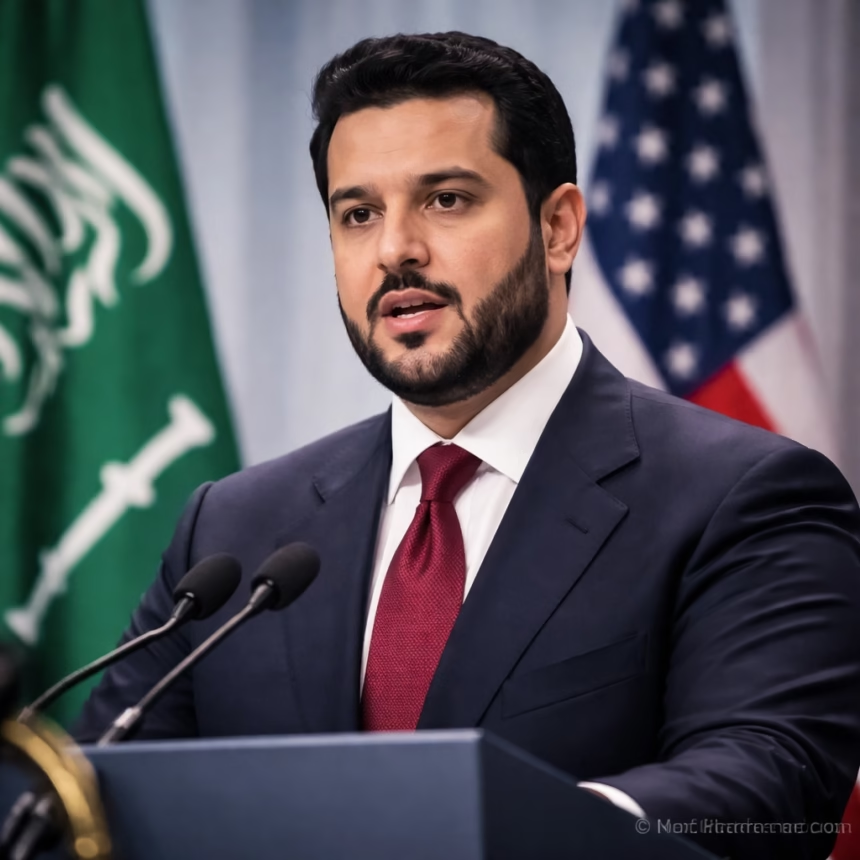
Riyadh, Saudi Arabia – Saudi Arabia's Defense Minister, Khalid bin سلمان بن عبد العزيز, has cautioned the United States against military action targeting Iran, warning such a move would strengthen the Iranian regime. The statement was made during a meeting with U.S. Secretary of Defense Lloyd Austin in Riyadh on April 26, 2024.
Background
Relations between Saudi Arabia and Iran have been strained for years, marked by proxy conflicts in Yemen, Syria, and Lebanon. The two nations are regional rivals vying for influence in the Middle East. Tensions escalated significantly following the recent drone and missile attacks on Saudi Arabian oil facilities in September 2019, an attack widely attributed to Iran, although Tehran has denied direct involvement.
The U.S. has maintained a strong military presence in the region, particularly in response to Iranian nuclear ambitions and its support for regional militias. Recent months have seen increased rhetoric from both sides, with heightened concerns about a potential military confrontation.
Key Developments
The warning from Saudi Arabia comes amid escalating tensions in the Middle East, primarily fueled by the ongoing conflict in Gaza and the rising frequency of attacks targeting U.S. interests and allies in the region. Several reports suggest that the U.S. is considering potential military responses to Iranian actions, although the exact nature of these plans remains unclear.

During the meeting in Riyadh, Minister bin سلمان emphasized the potential destabilizing effects of military intervention in Iran, stressing the need for diplomatic solutions. He urged the U.S. to consider the broader regional implications before taking any action.
The Saudi minister stated that a military strike against Iran would "embolden" the Iranian regime and could lead to a wider conflict, negatively impacting regional stability and energy markets.
Impact
Regional Stability
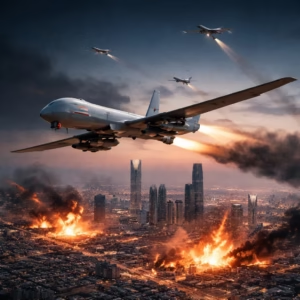
The potential for military action against Iran carries significant risks for regional stability. A conflict could draw in other regional players, exacerbating existing conflicts and creating new ones. The impact on oil prices and global energy supplies is a major concern.
More Read

Economic Consequences
A military conflict would likely have severe economic consequences, disrupting trade routes, damaging infrastructure, and increasing uncertainty in global markets. The Middle East is a critical energy hub, and any disruption to oil supplies could have a ripple effect worldwide.
Humanitarian Concerns
Any military action would inevitably result in civilian casualties and displacement, further exacerbating the already dire humanitarian situation in the region. The potential for a prolonged conflict raises serious concerns about the long-term impact on the population.
What Next
The immediate focus is on de-escalating tensions and preventing a military confrontation. Diplomatic efforts are underway, with various international actors urging restraint and seeking a peaceful resolution to the ongoing disputes.
The U.S. and Saudi Arabia are expected to continue discussions on regional security and explore avenues for de-escalation. However, the underlying tensions between the two countries and the broader regional dynamics remain complex and challenging.

Analysts predict that the situation will remain volatile in the coming weeks, with ongoing risks of miscalculation and escalation. The focus will be on maintaining open lines of communication and pursuing diplomatic solutions to prevent a wider conflict.

Potential Diplomatic Initiatives
Several countries, including Oman and Iraq, have offered to facilitate dialogue between Iran and the U.S. These initiatives represent a potential pathway towards de-escalation, although the prospects for success remain uncertain.