GOP Loses House Seat in Shocking Death of Republican Representative
GOP Loses House Seat in Shocking Death of Republican Representative
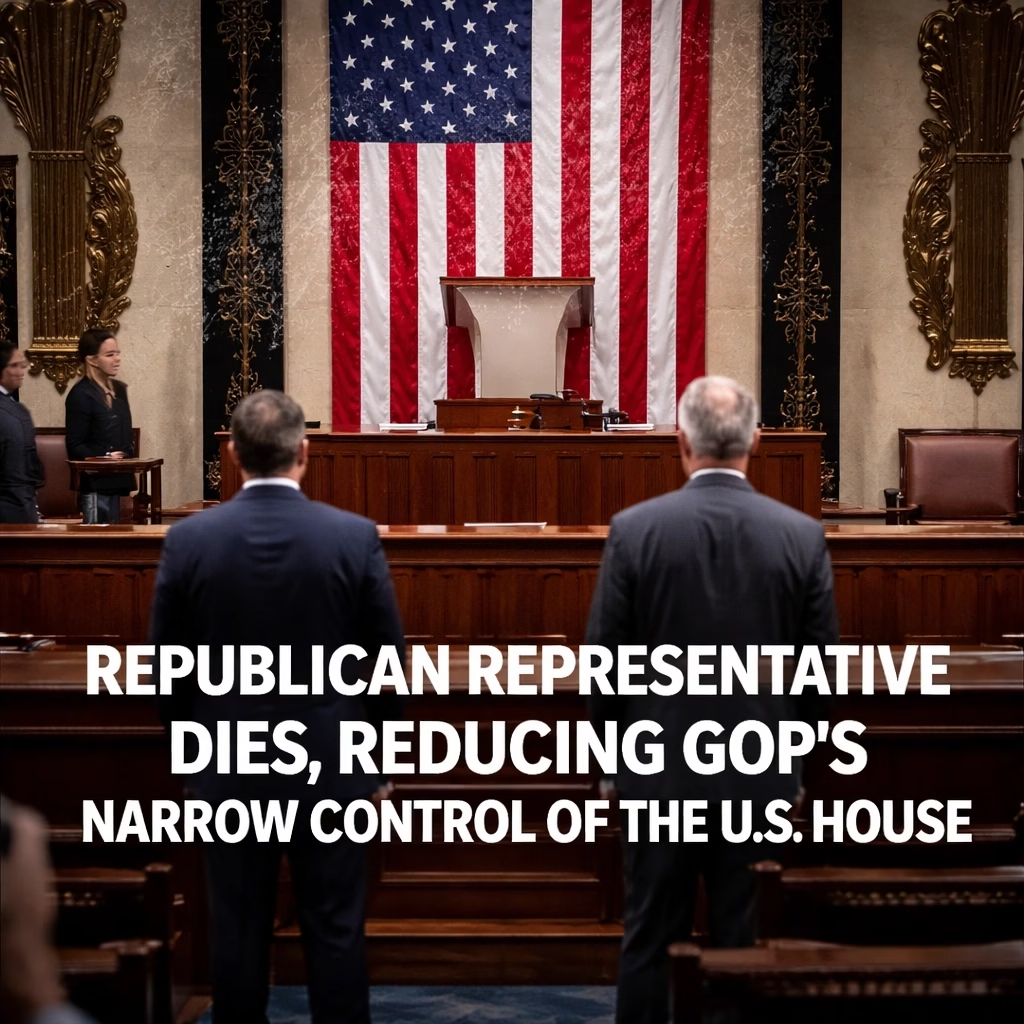
In a sudden turn of events, the U.S. House of Representatives has lost one of its Republican members, tightening the GOP's already narrow control of the chamber. The late representative, whose identity is not publicly disclosed, passed away unexpectedly, leaving a vacant seat that could shift the political balance.
Background
The U.S. House of Representatives, with 435 voting members, has long been a battleground for political power. Currently, the Republican Party holds a slim majority, making every seat crucial. The deceased representative had been serving in the House for several terms, contributing to key legislative efforts and maintaining the GOP’s fragile grip on the chamber.
The timeline of events leading to this development includes a history of close electoral races and frequent shifts in control. Over the past decade, the House has seen multiple changes in leadership, reflecting the nation's deep political divisions. This recent loss adds another layer of complexity to an already volatile political landscape.

Key Developments
Following the representative’s passing, the House has announced a special election to fill the vacant seat. The exact date of the election is yet to be determined, but it is expected to take place within the coming months. The race is already shaping up to be highly contested, with both major parties scrambling to secure a victory that could tip the balance of power in their favor.
Local and national political strategists are closely monitoring the situation, as the outcome of this election could have significant implications for future legislative agendas. The GOP, now one seat short of a majority, is under pressure to retain the seat, while Democrats see an opportunity to narrow the Republican lead.
Impact
The immediate impact of this loss is a shift in the power dynamics within the House. With the GOP’s majority reduced, key legislative measures may face new challenges in passing. The late representative’s district, known for its competitive nature, will now be the focal point of intense political maneuvering. Voters in the district will play a crucial role in determining the future direction of the House.
More Read

Beyond the immediate political ramifications, the death of a sitting representative serves as a reminder of the human cost of public service. The late representative's colleagues, constituents, and political allies have expressed their condolences, highlighting the personal and professional loss felt across the political spectrum.
What Next
Looking ahead, the special election will be the next major milestone in this unfolding political drama. Both parties are expected to invest significant resources into campaigning, knowing that the outcome could set the tone for the remainder of the legislative session. The district’s voters, known for their swing-voting tendencies, will be courted heavily by both sides.
In the meantime, the House will continue its work, albeit with a diminished Republican majority. The late representative's absence will be keenly felt, particularly in committees where their expertise and influence were instrumental. The political landscape remains fluid, and the next few months are likely to be marked by heightened activity and strategic maneuvering.