India's Energy Play: Tariff Relief on the Horizon?
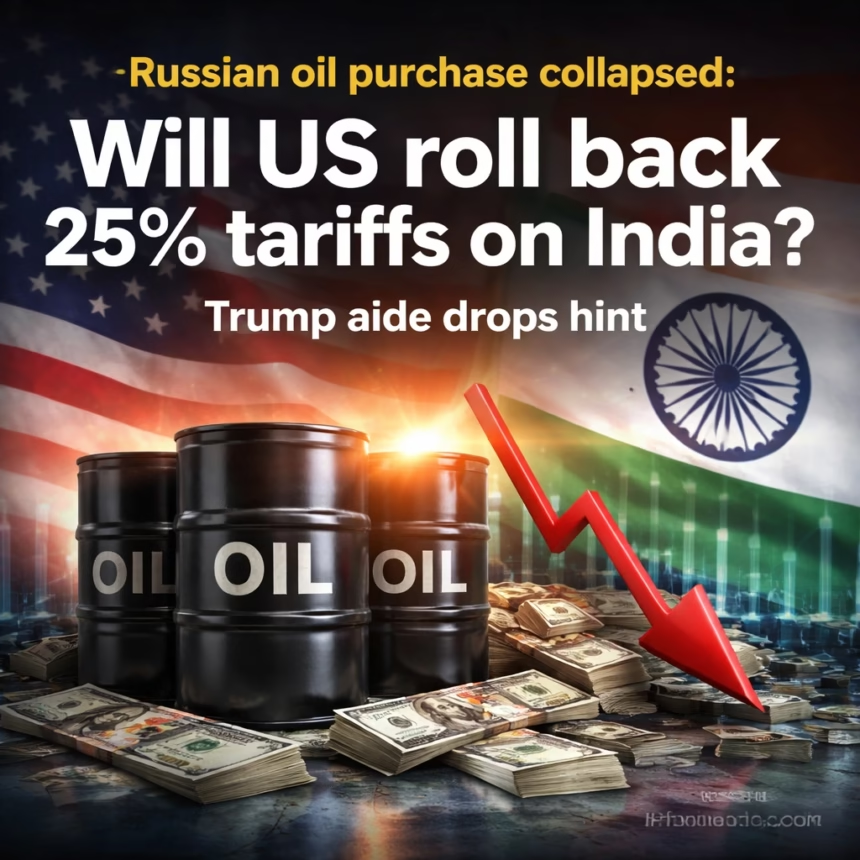
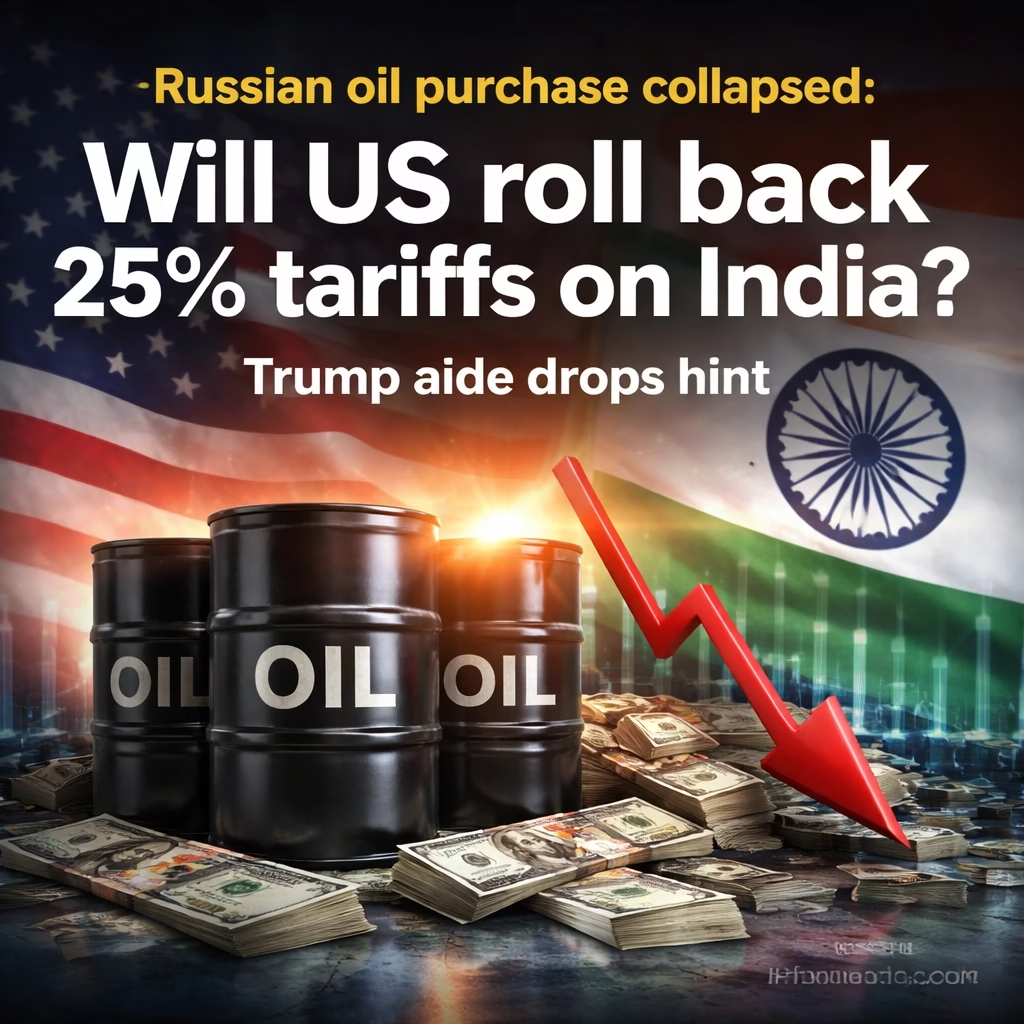
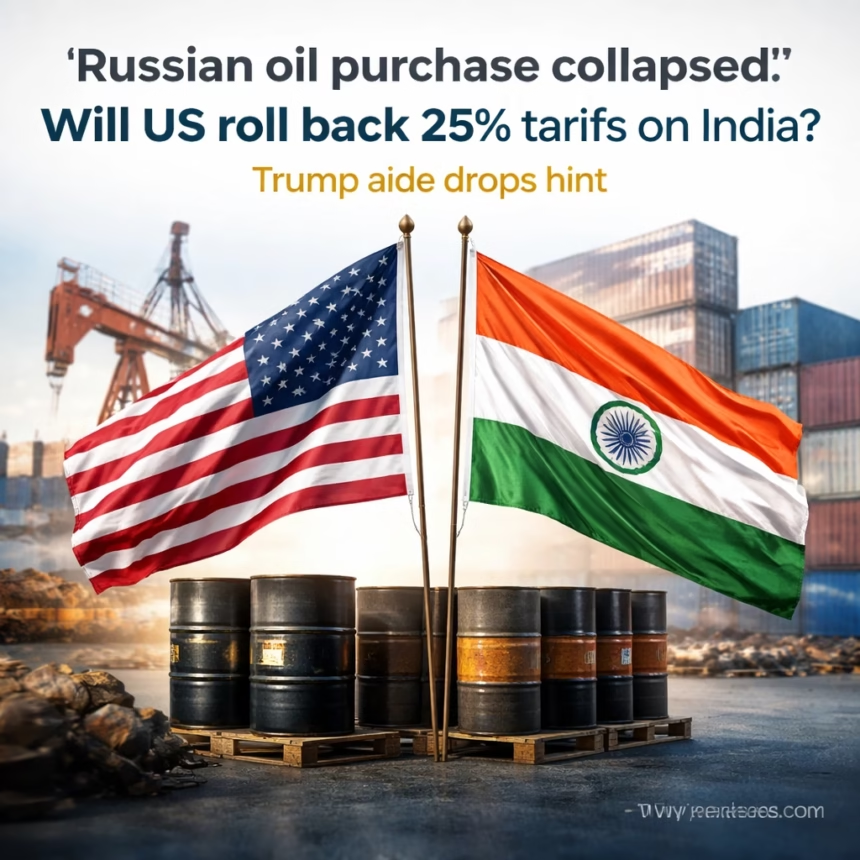
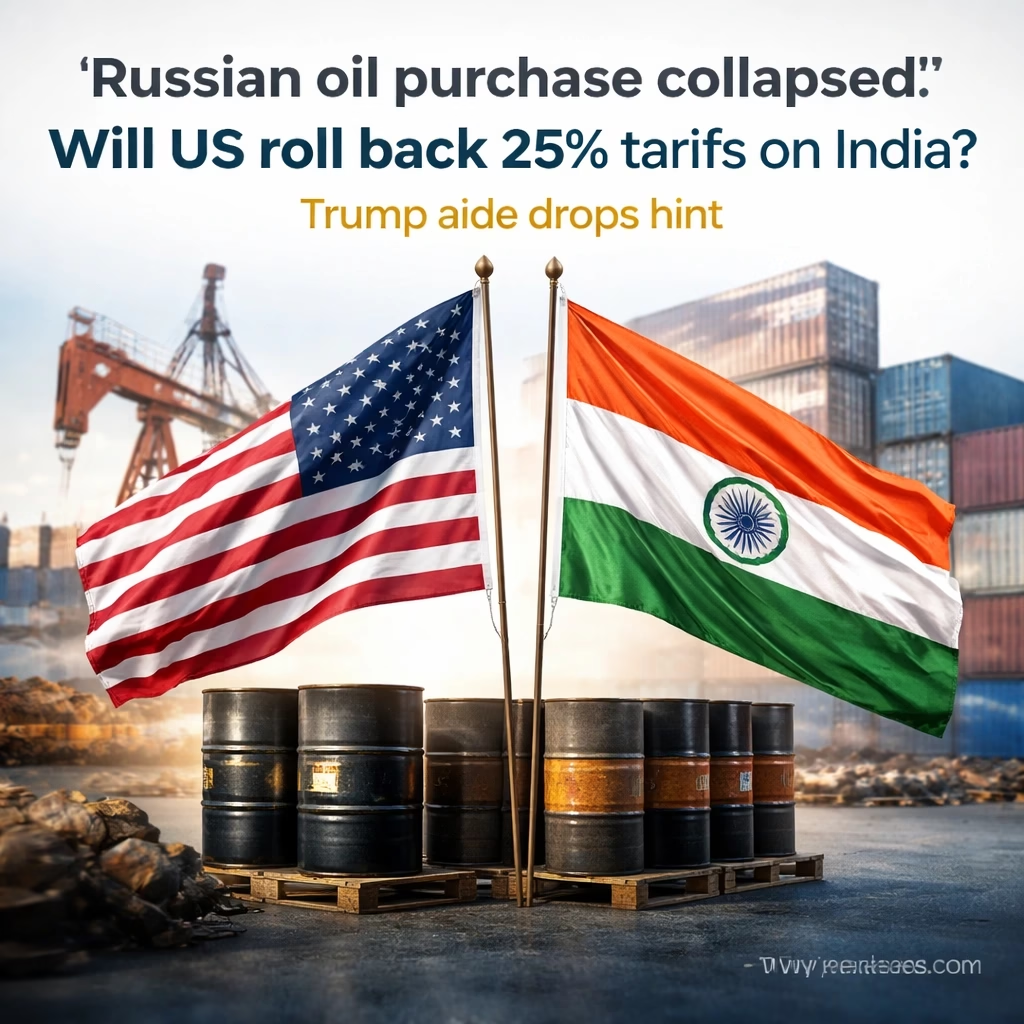
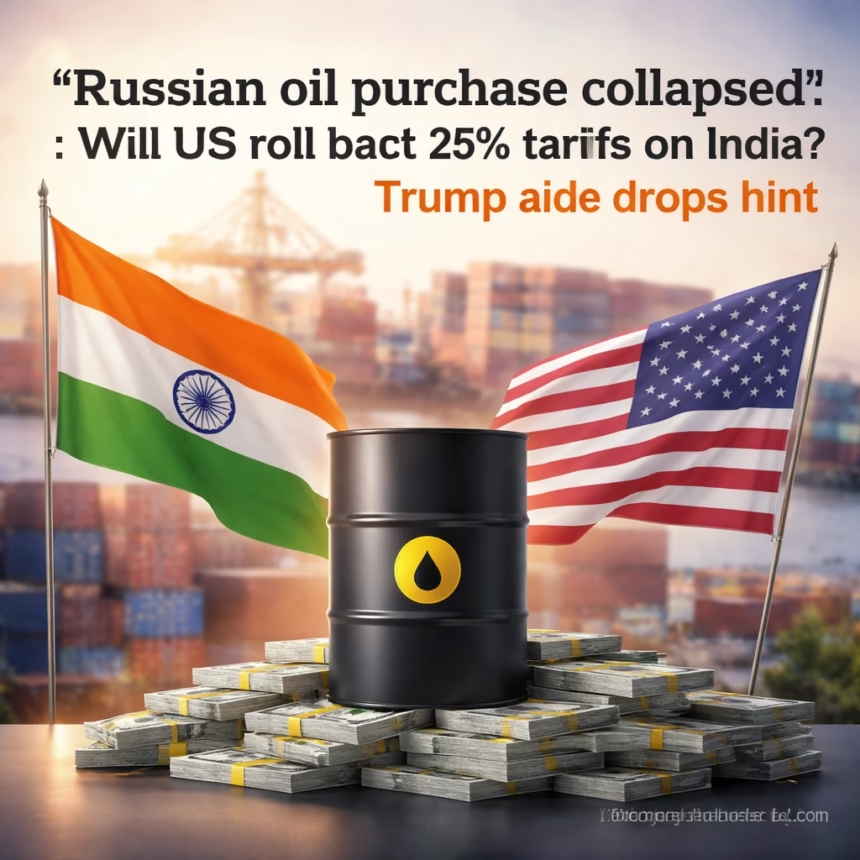
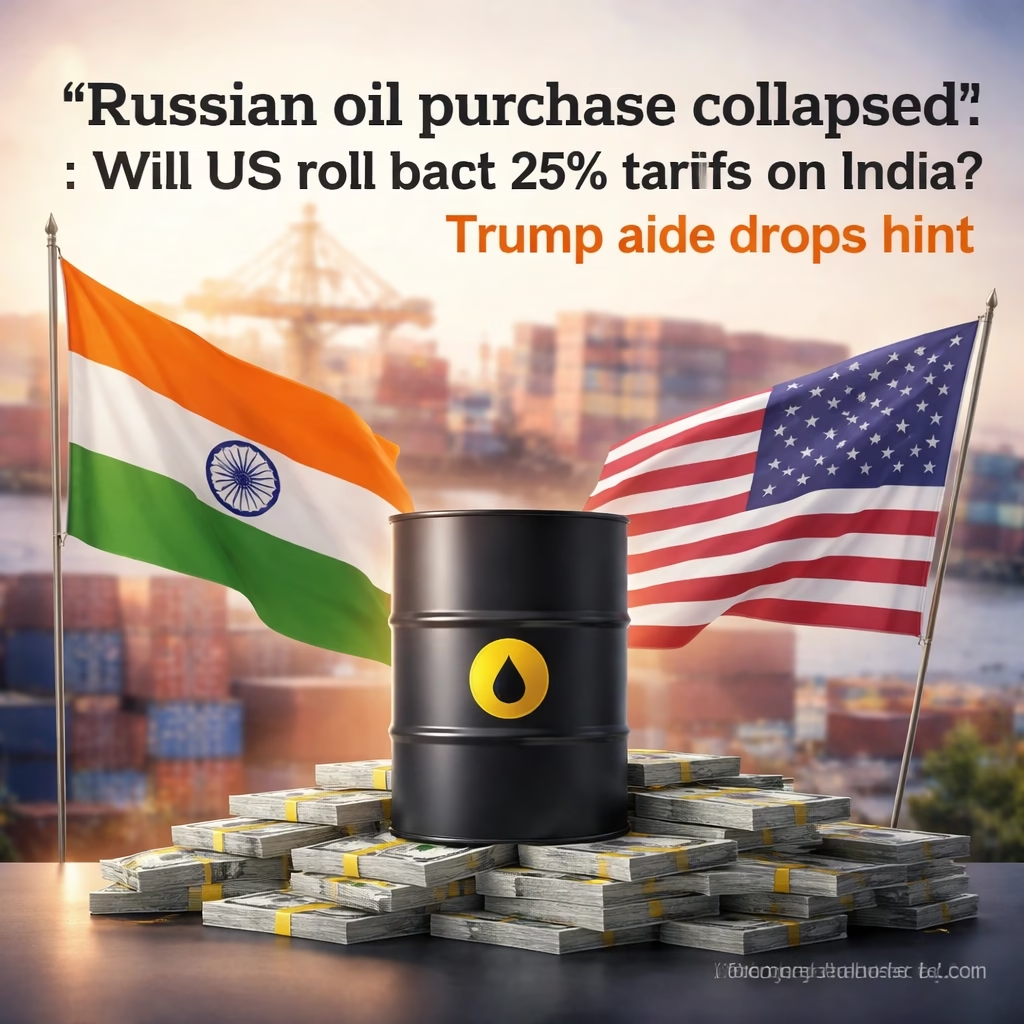
With Russian oil purchases declining, India's energy strategy is under renewed scrutiny. A potential easing of US tariffs on Indian imports is gaining traction, fueled by hints from a former Trump administration official. This development could significantly impact both countries’ economic relationships and the global energy market.
Background
In December 2022, the United States imposed a 25% tariff on steel and aluminum imports from India, citing unfair trade practices and undermining domestic industries. This action, a continuation of the Trump administration’s trade policies from 2018-2020, affected a wide range of Indian exports. The tariffs were applied under Section 301 of the US Trade Act of 1974, allowing the US government to investigate and impose restrictions on imports deemed harmful to US commerce.
India formally requested the removal of these tariffs in 2023, arguing that they impeded its economic growth and trade relations. The Indian government has consistently emphasized its commitment to fair trade practices and has sought dialogue with the US to resolve the trade disputes.
Key Developments
Recently, a senior aide to former President Donald Trump suggested that the administration might reconsider the existing tariffs on Indian steel and aluminum. The remark, made during a recent interview with a financial news outlet on October 26, 2023, indicated a potential shift in policy. The aide stated that the tariffs were “not necessarily a priority” for the current administration, implying a possible rollback of the 25% levy.
More Read

This statement follows a period of increased engagement between the US and India, particularly concerning energy security. The decline in Russian oil purchases by India, a significant shift since the start of the Ukraine war, has led to discussions about strengthening energy partnerships with other nations.
Impact
For India
A rollback of the tariffs would provide a significant boost to the Indian economy. It would lower the cost of imported steel and aluminum, key inputs for infrastructure projects, manufacturing, and construction. This could lead to increased investment, job creation, and overall economic growth. Furthermore, it would improve India’s trade balance and strengthen its ties with the US.
For the US
While the tariffs were intended to protect US industries, they have also had unintended consequences. Increased costs for downstream industries reliant on steel and aluminum imports have negatively impacted competitiveness. A tariff rollback could stimulate these industries and foster greater trade cooperation with India. However, some US producers might express concerns about increased competition from Indian imports.
Global Energy Market
India's strategic shift away from Russian oil is a notable development in the global energy landscape. Easing tariffs would further solidify India’s position as a key energy consumer and a vital trading partner. This could influence global oil prices and trade flows, particularly affecting nations reliant on Indian demand.
What Next
The potential tariff rollback is still speculative and subject to change based on the evolving geopolitical and economic landscape. The US Department of Commerce and the US Trade Representative (USTR) have not yet issued any official statements regarding a review of the tariffs.
The next steps likely involve further discussions between US and Indian trade officials. India is expected to continue advocating for the removal of the tariffs, while the US administration will likely weigh economic and strategic considerations before making any decisions. Any formal announcement regarding the tariff status is anticipated within the next few months, potentially by December 2023.
Potential Hurdles
Despite the recent hints, several hurdles remain. US lawmakers and industry groups may raise concerns about potential impacts on domestic steel and aluminum producers. Any decision will need to consider these concerns and balance them against the broader economic and strategic benefits of closer trade relations with India.