Extreme Coffee and Tea Temperatures May Increase Esophageal Cancer Risk, According to Study
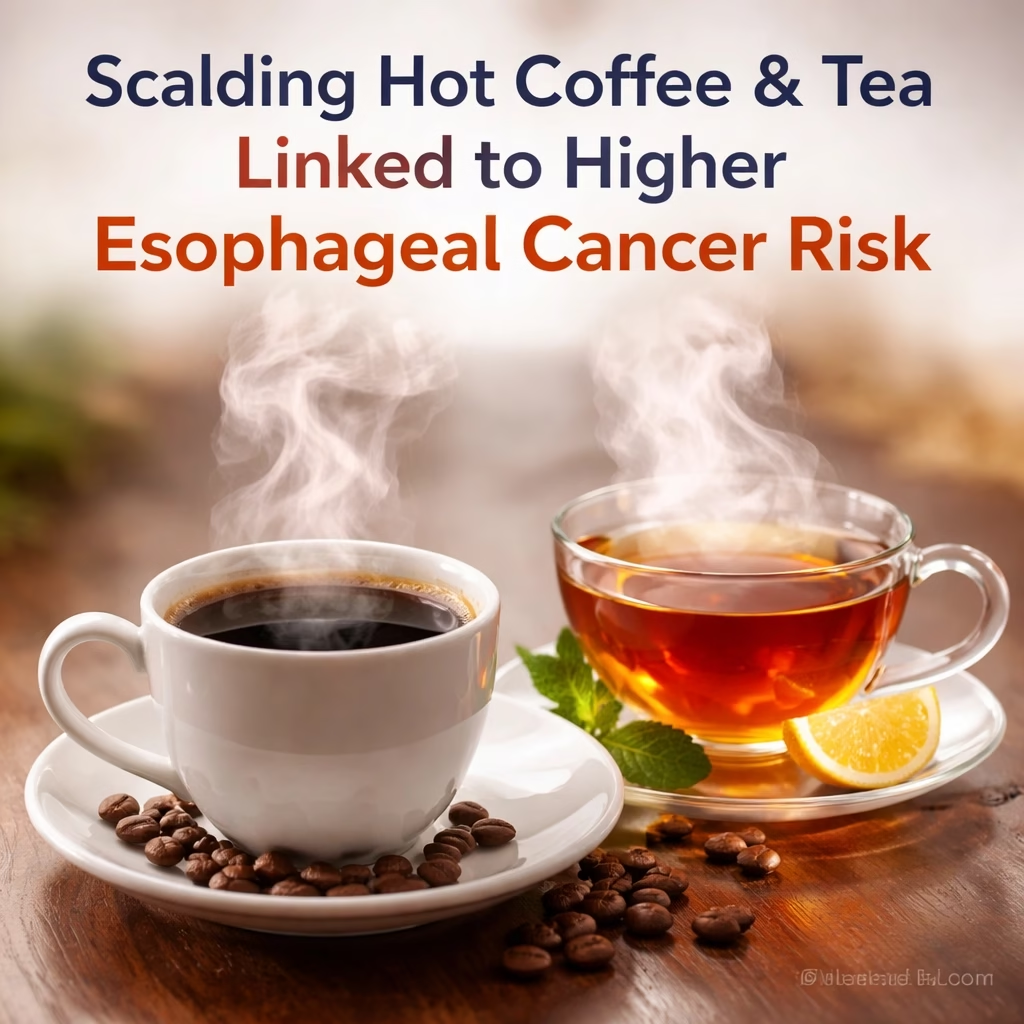
A new study has found a potential link between consuming scalding hot coffee and tea and an increased risk of esophageal cancer. The research, published in the International Journal of Cancer, suggests that drinking beverages at temperatures above 65°C (149°F) could be hazardous to health. Esophageal cancer is a serious condition with high mortality rates, and understanding its risk factors is crucial for prevention.
Background
Esophageal cancer is a growing health concern, particularly in certain regions like Iran, where it ranks as the fourth most common cancer among men. Previous research has indicated that various factors, including diet, smoking, and alcohol consumption, contribute to its development. However, the role of hot beverage consumption has been less clear. The new study builds on earlier findings by focusing specifically on the temperature of commonly consumed drinks like coffee and tea.
Key Developments
The study analyzed data from over 50,000 individuals in Golestan, a high-risk region for esophageal cancer in northern Iran. Researchers tracked participants’ beverage consumption habits over an average of 10 years. The findings revealed that those who regularly drank beverages at temperatures above 65°C (149°F) had a significantly higher risk of developing esophageal cancer compared to those who consumed cooler drinks. The risk was particularly pronounced among individuals who consumed hot tea and coffee.

The study also found that the longer the duration of exposure to hot beverages, the greater the risk. For instance, individuals who had been drinking scalding hot beverages for more than five years had a higher incidence of esophageal cancer. This suggests that prolonged exposure to high temperatures may contribute to the development of the disease over time.
Impact
The findings have significant implications for public health, particularly in regions where hot beverage consumption is common. Esophageal cancer is a severe condition with a low survival rate, and identifying modifiable risk factors is essential for prevention. The study highlights the importance of raising awareness about the potential dangers of consuming very hot drinks. Public health campaigns could encourage individuals to allow their beverages to cool to a safer temperature before consumption.
The impact extends beyond Iran, as similar drinking habits are prevalent in other parts of the world, including some countries in South America and Asia. By understanding the risks associated with hot beverage consumption, individuals can make informed choices to reduce their risk of esophageal cancer.
More Read

What Next
Further research is needed to confirm these findings and explore the underlying mechanisms. Scientists aim to understand how high temperatures might damage the esophageal lining and contribute to cancer development. Additionally, studies could investigate whether cooling beverages before consumption can mitigate the risk.
Public health officials and oncologists may use these findings to develop guidelines and recommendations for safe beverage consumption. Education campaigns could target high-risk populations, emphasizing the importance of drinking beverages at moderate temperatures. By taking proactive measures, individuals can potentially reduce their risk of esophageal cancer and improve overall health outcomes.