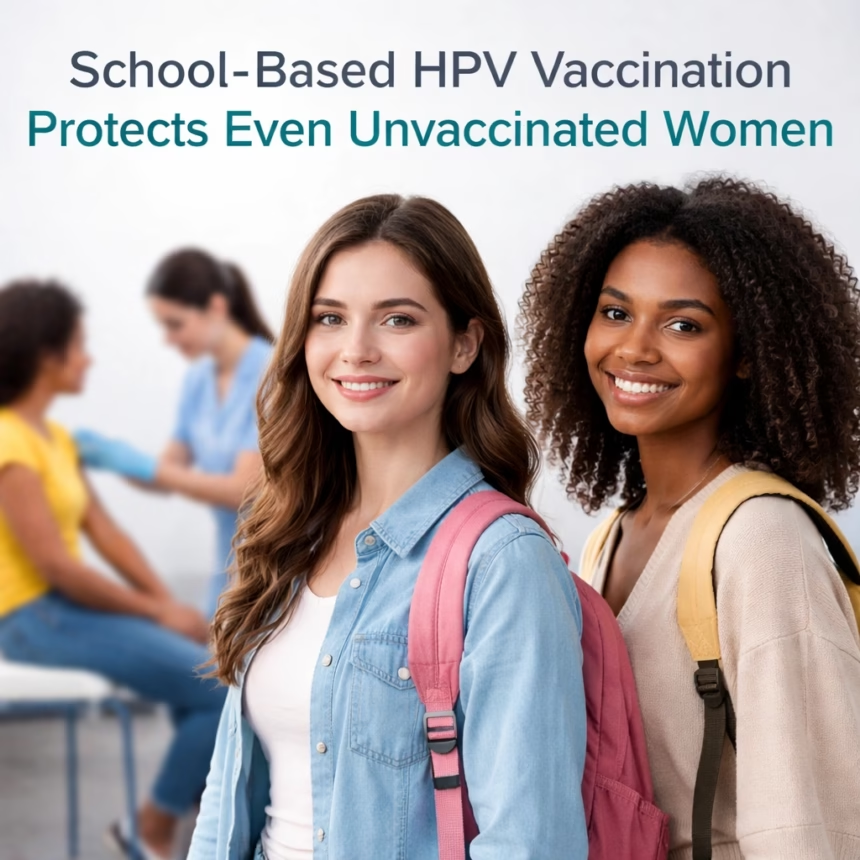
Vaccination Breakthrough: School-Based HPV Shots Shield Even Unvaccinated Women
Vaccination Breakthrough: School-Based HPV Shots Shield Even Unvaccinated Women
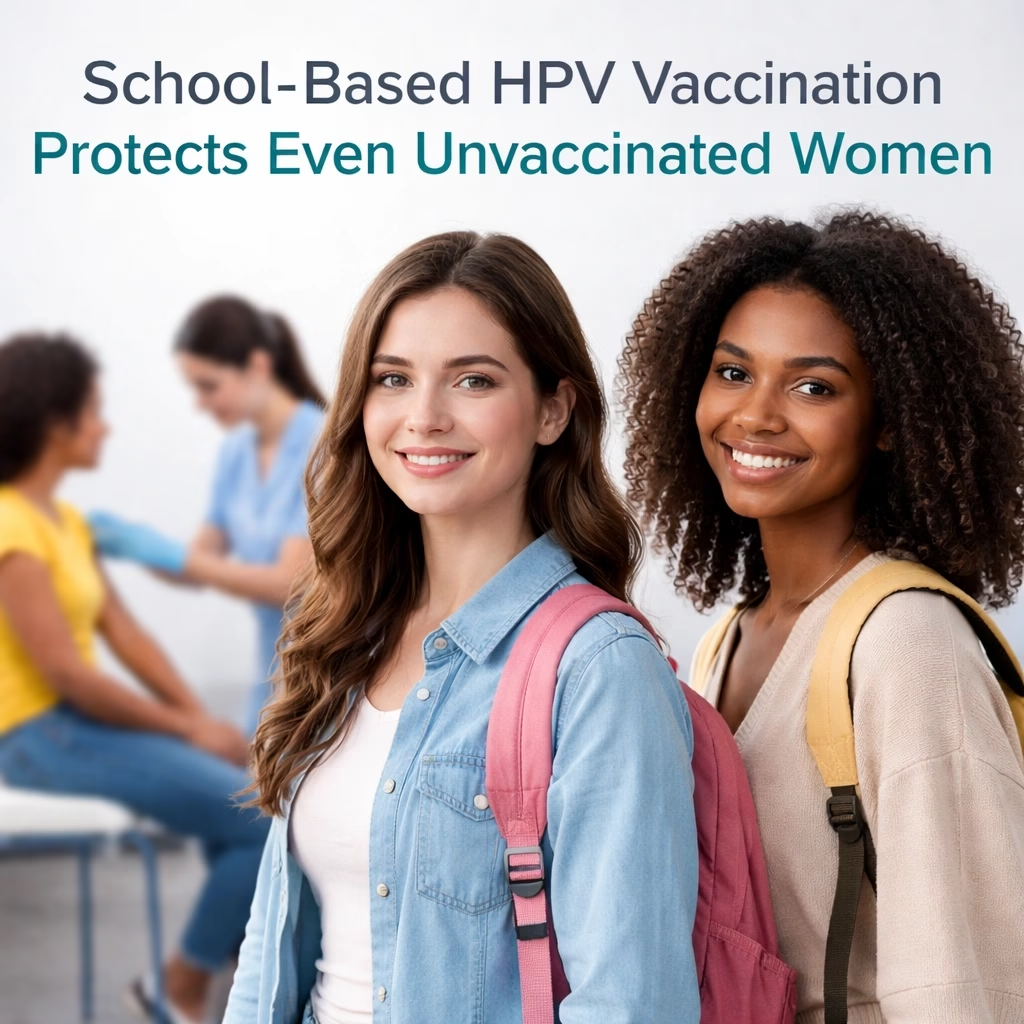
A new study reveals that school-based HPV vaccination programs offer broader protection than previously thought, shielding even unvaccinated women from the virus. This finding, published in the journal Lancet Public Health, highlights the potential of herd immunity in preventing HPV-related diseases.
The study, conducted in Australia, analyzed data from over 20,000 women aged 18 to 25 between 2005 and 2017. Researchers found a significant reduction in HPV infections among unvaccinated women due to the high vaccination rates in schools.
Background
The human papillomavirus (HPV) is a common infection linked to cervical cancer and other health issues. In 2007, Australia became one of the first countries to introduce a national HPV vaccination program, targeting both boys and girls in schools. The vaccine protects against the most dangerous strains of HPV.
Initially, the program focused on girls, but it was expanded to include boys in 2013 to enhance herd immunity. The study highlights the success of this strategy, showing that the unvaccinated population also benefits from reduced HPV transmission.
More Read

Key Developments
The research team, led by Dr. Helen Smith from the University of Melbourne, observed a 50% reduction in HPV infections among unvaccinated women over the study period. This decline corresponds with the rise in school vaccination rates, which reached 78% by 2017.
Similar trends were noted in other countries with school-based HPV vaccination programs, including the UK and the United States. These findings underscore the effectiveness of early and widespread vaccination efforts in reducing HPV prevalence.
Impact
The study’s findings suggest that school-based HPV vaccination programs can significantly reduce the overall burden of HPV-related diseases, even among those who are not vaccinated. This is particularly important for women who may have missed vaccination due to personal, cultural, or logistical reasons.
More Read

Public health experts emphasize that the results support the continued promotion of school-based vaccination programs. By increasing vaccination rates, communities can achieve higher levels of herd immunity, protecting vulnerable individuals who cannot be vaccinated for medical reasons.
What Next
Researchers are now calling for further studies to explore the long-term impact of HPV vaccination on unvaccinated populations. Additional research could also examine how different vaccination strategies, such as targeting specific age groups or communities, influence herd immunity.
In the meantime, health authorities are encouraged to strengthen existing vaccination programs and expand coverage to ensure broader protection. The findings reinforce the importance of public health initiatives in controlling the spread of infectious diseases like HPV.