Delhi's Air Fight: Old Cars & Farm Tech Unite to Combat Pollution
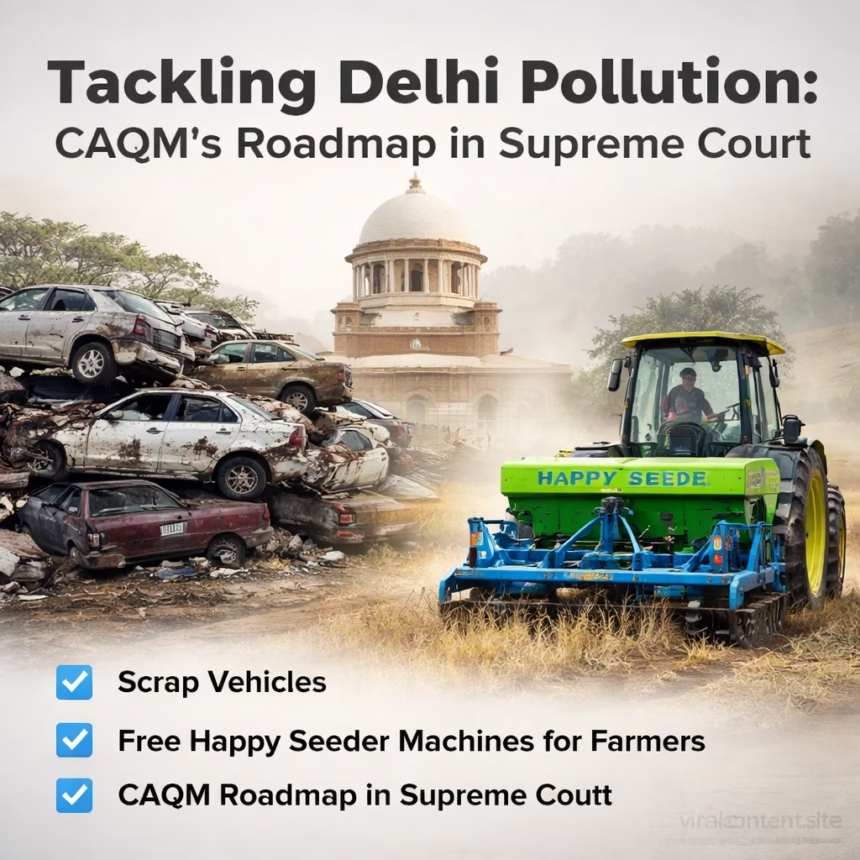
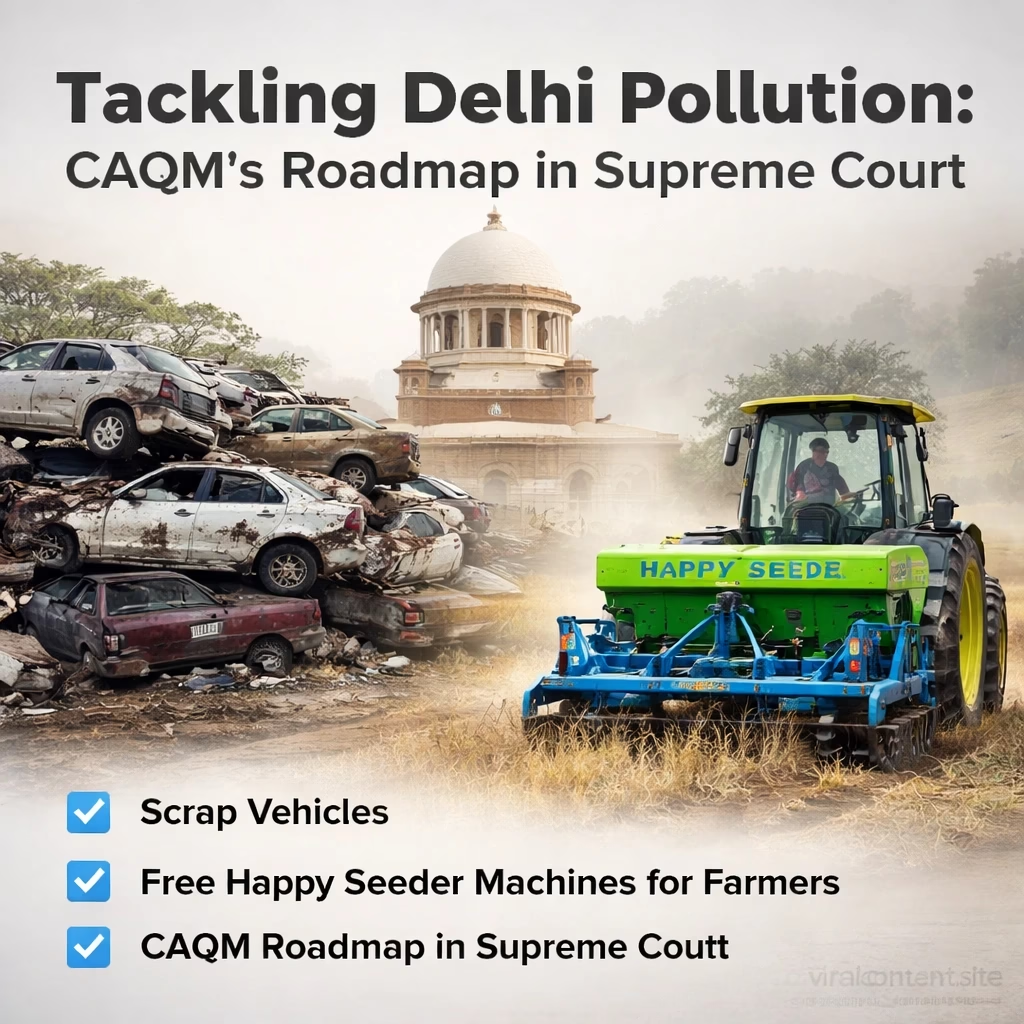
Delhi is intensifying its efforts to combat severe air pollution, with a multi-pronged approach gaining traction. A roadmap presented to the Supreme Court on November 21, 2023, outlines ambitious plans involving scrapping old vehicles and providing free "happy seeder" machines to farmers, aiming for a significant reduction in pollutants.
Background: A History of Struggle
Delhi has long battled with hazardous air quality, consistently ranking among the most polluted cities globally. Seasonal factors, vehicular emissions, industrial activity, and burning of agricultural waste contribute to the problem. Previous Supreme Court directives have pushed the Delhi government and the Central Pollution Control Board (CPCB) to formulate comprehensive action plans. The National Clean Air Programme (NCAP), launched in 2019, sets targets for reducing air pollution in major cities, including Delhi. However, progress has been slow, leading to renewed scrutiny and stricter demands from the judiciary.
The issue of older vehicles is a major contributor, with those exceeding 15 years being particularly problematic. These vehicles often lack modern emission control technologies. The government has previously implemented scrappage policies, but their effectiveness has been limited. Similarly, agricultural practices, especially the burning of crop residue after the harvest season, significantly worsen air quality.
Key Developments: A New Strategy Emerges
The latest roadmap, presented to the Supreme Court on November 21, 2023, focuses on two primary initiatives. The first is a revamped vehicle scrappage policy, aiming to incentivize owners of old, polluting vehicles to surrender them for scrap. This involves offering financial incentives, like monetary compensation and potentially waived road tax. The second, and perhaps more novel, element is the distribution of "happy seeder" machines to farmers in the National Capital Region (NCR).

Happy Seeder Machines: A Sustainable Solution?
These machines, designed to sow seeds directly into the soil without tilling, are intended to reduce the need for plowing, a major source of crop residue burning. The CAQM (Commission for Air Quality Management), the body responsible for implementing the roadmap, plans to provide these machines free of cost to farmers, particularly those in areas heavily affected by crop burning. The initiative is seen as a way to promote sustainable farming practices and reduce the amount of biomass available for burning.
The CAQM also plans to strengthen enforcement of existing regulations against polluting industries and to improve public transportation infrastructure. Specific measures include stricter monitoring of industrial emissions, promotion of electric vehicles, and expansion of the Delhi Metro network. The timeline for these measures varies, with the vehicle scrappage policy expected to be rolled out in phases starting in early 2024. The distribution of happy seeder machines is slated to begin in the winter season of 2023-2024.
Impact: Who Will Benefit?
The roadmap has the potential to significantly impact a wide range of stakeholders. Vehicle owners who surrender old vehicles could receive financial benefits, reducing their financial burden. Farmers in the NCR stand to benefit from reduced pollution levels and potentially improved soil health through the adoption of no-till farming practices. The general public will experience improved air quality, leading to better health outcomes and reduced respiratory illnesses.
More Read

The automotive industry is likely to see increased demand for new vehicles as people replace old, polluting ones. The scrap industry will also benefit from the increased volume of vehicles being scrapped. The success of the program hinges on effective implementation and widespread adoption by farmers and vehicle owners.
What Next: The Road Ahead
The CAQM is now working on finalizing the details of the vehicle scrappage policy, including the eligibility criteria for vehicles and the specific financial incentives. They are also collaborating with state governments and agricultural departments to ensure the smooth distribution of happy seeder machines to farmers.
The Supreme Court will be monitoring the implementation of the roadmap closely, with regular updates expected. The success of this initiative will be measured by a reduction in air pollution levels in Delhi, as well as by the adoption of sustainable farming practices by farmers in the NCR. The next few months will be crucial in determining whether this bold plan can deliver tangible results for Delhi’s air quality.
Challenges and Concerns
Despite the positive intentions, challenges remain. Effective implementation of the scrappage policy requires a robust infrastructure for vehicle dismantling and recycling. Ensuring the availability and affordability of happy seeder machines for all farmers, especially smallholders, is another concern. Furthermore, changing entrenched farming practices requires a long-term commitment and awareness campaigns.
Critics also argue that the roadmap focuses too heavily on individual actions (vehicle scrappage) and doesn't adequately address systemic issues like industrial pollution and regional transboundary pollution from neighboring states. The success of the plan depends on a holistic approach that addresses all sources of pollution.