Amidst Rising Tensions, Bangladesh Leader Reaffirms India Ties
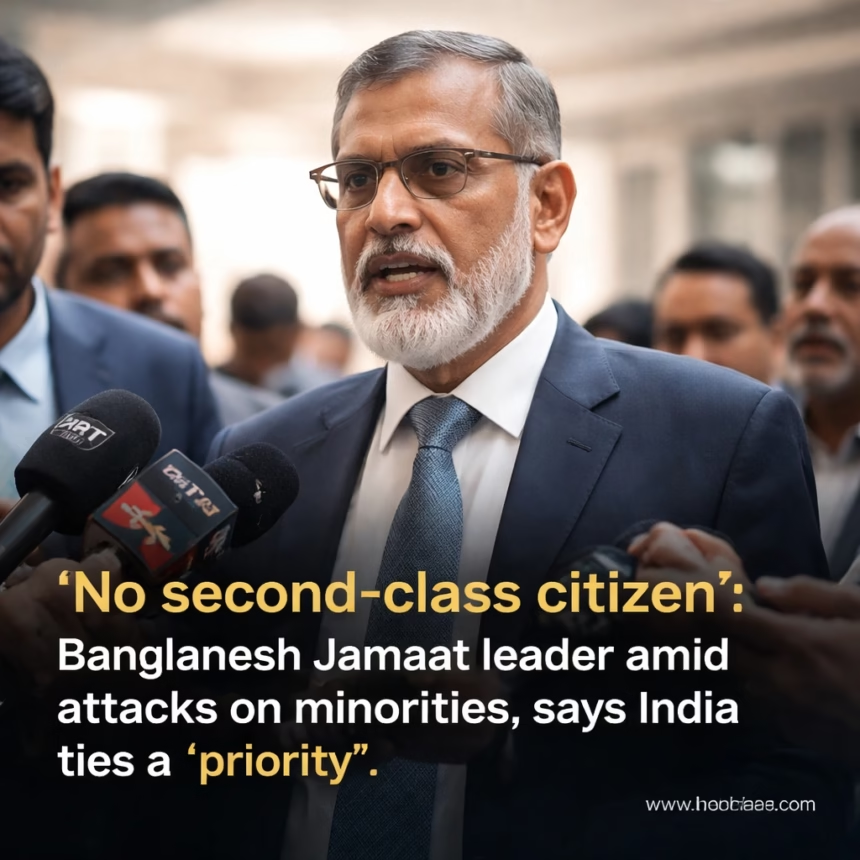
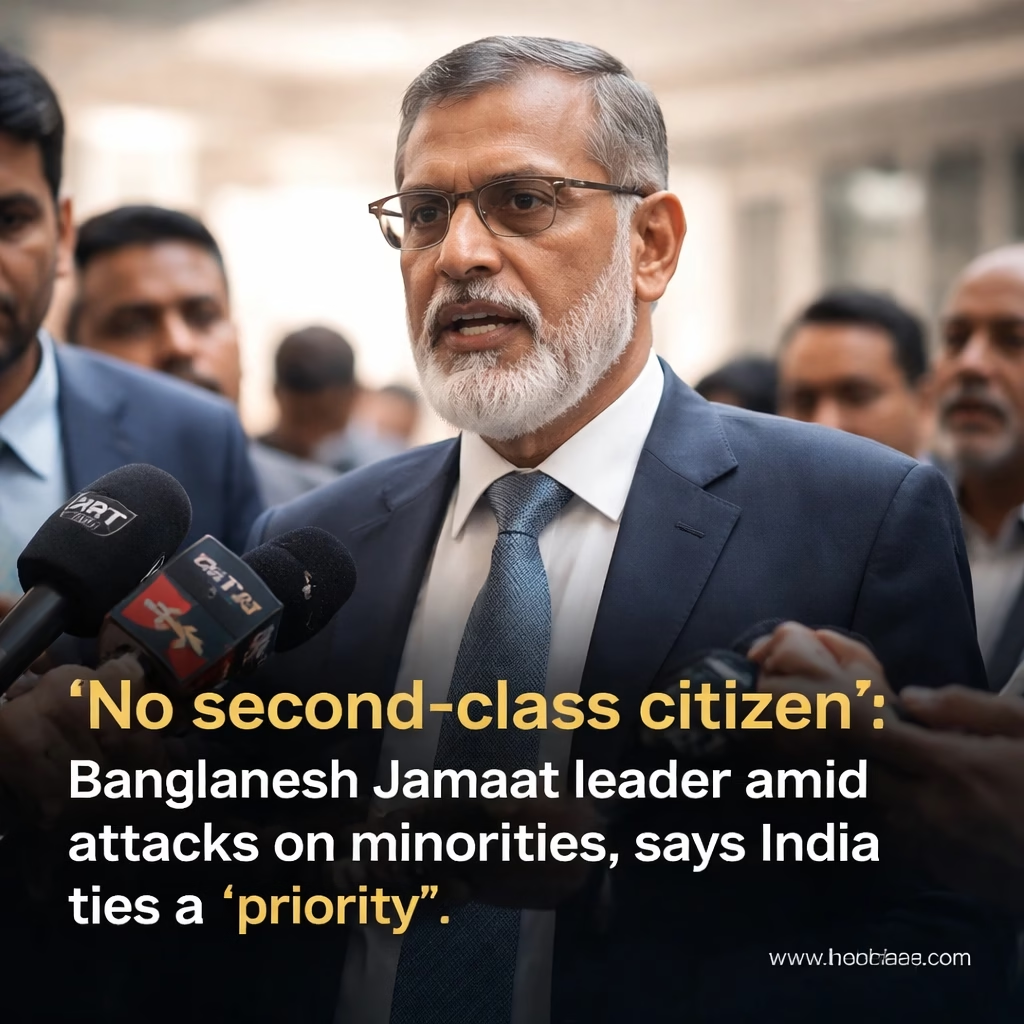
Dhaka, Bangladesh – Amidst growing concerns about rising intolerance and attacks on religious minorities in Bangladesh, a prominent leader of the Jamaat-e-Islami party has asserted that ties with India remain a top priority. The statement comes at a time of heightened sensitivity in the region, following a series of incidents targeting Hindus and other minorities.
Background
Jamaat-e-Islami, founded in 1943, is one of Bangladesh's oldest political parties. It advocates for a religiously conservative society and has historically been critical of secular governance. The party has faced numerous legal challenges and accusations of involvement in violence during the 1971 Liberation War. Over the years, Jamaat has maintained a complex and often strained relationship with India, influenced by historical factors and differing political ideologies.
Relations between Bangladesh and India have fluctuated since Bangladesh's independence in 1971. While periods of cooperation have existed, disputes over water sharing, border issues, and historical narratives have periodically strained the two nations. However, in recent years, there has been a concerted effort to improve bilateral ties, particularly under the current governments in both countries.
Key Developments
Maqsood Kamal, a senior leader of Jamaat-e-Islami, publicly stated on October 26, 2023, that the party's relationship with India is a "priority." His remarks followed a wave of protests and attacks on Hindu temples and properties across Bangladesh in October and November 2023. These incidents have drawn condemnation from international organizations and raised concerns about the safety of religious minorities.

Kamal emphasized that Jamaat's focus is on national development and welfare, and that religious harmony is crucial for Bangladesh’s progress. He also highlighted the economic benefits of a strong relationship with India, particularly in areas like trade, investment, and connectivity. He pointed to the ongoing initiatives like the Padma Bridge and the Enhanced Connectivity Agenda as examples of positive collaboration.
The statement has been met with mixed reactions. While some welcomed it as a positive step towards reconciliation, others view it as a calculated move to improve the party’s image amidst criticism of its stance on minority rights. The Bangladesh government has yet to officially respond to Kamal's comments.
Impact
The recent surge in attacks on minorities has created a climate of fear and insecurity among Hindus, Buddhists, and other religious groups in Bangladesh. Numerous temples have been vandalized, and several people have been injured. Human rights organizations have accused authorities of failing to adequately protect minorities and of allowing the attacks to occur with impunity.
More Read

The incidents have also raised concerns about the potential for further polarization and instability in the country. Critics argue that the government’s response has been insufficient and that more needs to be done to address the root causes of religious intolerance. The attacks have also had a chilling effect on interfaith dialogue and cooperation.
Economically, the rise in tensions could negatively impact Bangladesh's relations with India. Investment and trade may be affected if concerns about religious freedom and security persist. The tourism sector, which relies heavily on both domestic and international visitors, could also suffer.
Specific Incidents
Several specific incidents have fueled the current crisis. On October 20, 2023, a Hindu temple in Comilla district was attacked, resulting in damage to idols and property. Similarly, temples in Barishal and Gazipur districts have also been targeted in recent weeks. Reports indicate that some attacks were carried out by groups affiliated with extremist ideologies, although the government has denied any state involvement.
What Next
The immediate focus is on ensuring the safety and security of religious minorities and bringing the perpetrators of the attacks to justice. The government has pledged to investigate the incidents and take necessary measures to prevent future attacks. However, many civil society groups are calling for a more comprehensive approach that addresses the underlying causes of religious intolerance.
Looking ahead, the relationship between Bangladesh and India is likely to remain a key focus of regional diplomacy. Both countries are expected to continue efforts to strengthen bilateral ties, but the recent events could complicate the process. The upcoming visit of Indian Prime Minister Narendra Modi to Bangladesh in December 2023 is viewed as an opportunity to discuss these issues and to reaffirm the commitment to cooperation.
More Read
Potential Milestones
Key milestones expected in the coming months include: a thorough investigation into the recent attacks, the implementation of enhanced security measures for religious sites, and renewed dialogue between religious leaders to promote interfaith harmony. Bilateral meetings between officials from both countries are also anticipated to address concerns and explore avenues for cooperation.
The long-term impact of the recent events on Bangladesh's political landscape remains uncertain. However, the focus on national development and the emphasis on India relations by figures like Maqsood Kamal suggest a continued effort to navigate the challenges and opportunities facing the country.