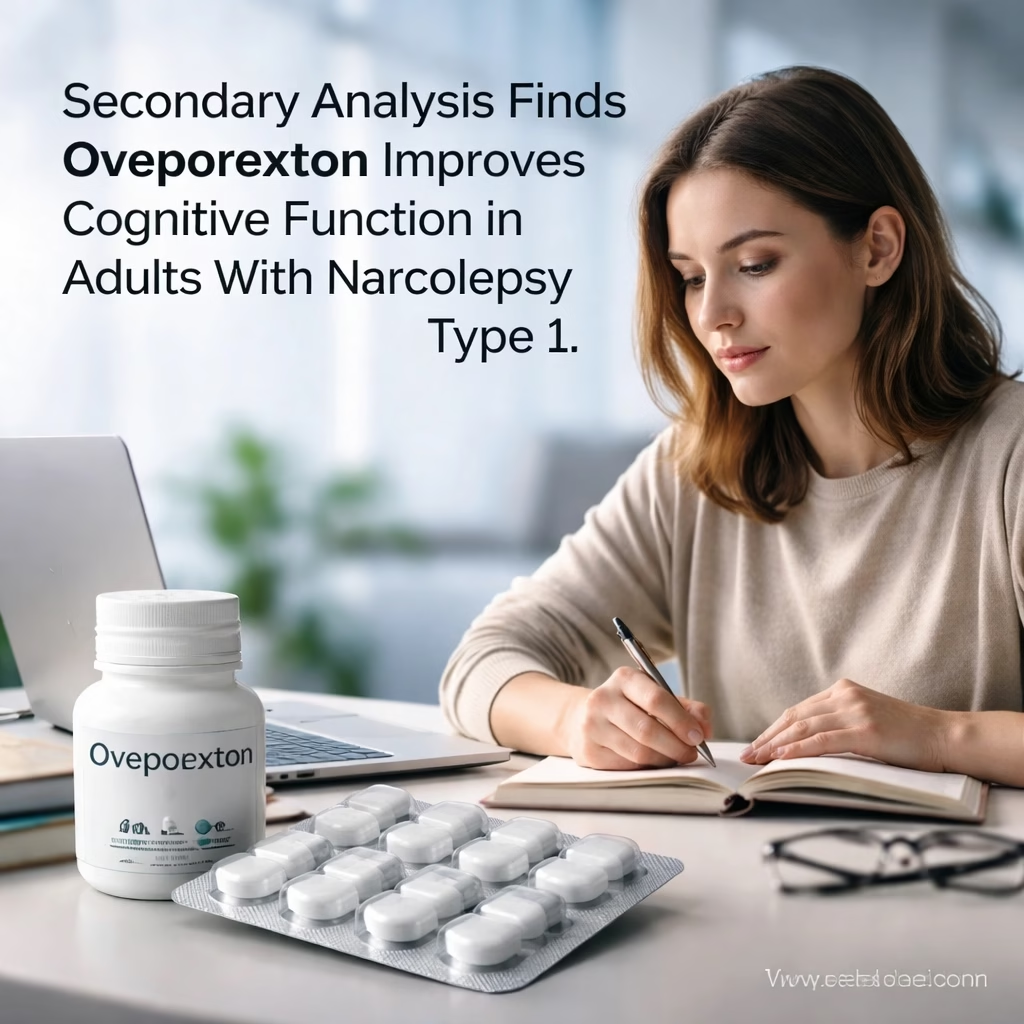
A secondary analysis of clinical trial data has revealed that Oveporexton, a medication primarily used to treat narcolepsy, may significantly improve cognitive function in adults with narcolepsy type 1. The findings, published in a recent issue of Sleep Medicine Reviews, suggest that the drug could offer additional benefits beyond its approved uses.
Background
Narcolepsy type 1 is a chronic neurological disorder characterized by excessive daytime sleepiness, cataplexy (sudden loss of muscle tone), and disrupted nighttime sleep. It affects approximately 1 in 2,000 people worldwide. Oveporexton, marketed as Xywav in the U.S. and Lumastex in Europe, was approved in 2020 for the treatment of excessive daytime sleepiness in adults with narcolepsy.
The initial clinical trials focused on the drug's ability to reduce daytime sleepiness, but researchers noticed improvements in cognitive function as a secondary outcome. This new analysis delves deeper into these cognitive benefits.
Key Developments
The study analyzed data from two pivotal Phase 3 clinical trials involving over 200 adults with narcolepsy type 1. Participants were randomly assigned to receive either Oveporexton or a placebo for a period of 12 weeks. Cognitive function was assessed using standardized tests, including the Cognitive Drug Research (CDR) system.
The results showed that patients treated with Oveporexton demonstrated significant improvements in attention, memory, and executive function compared to those who received a placebo. The improvements were most pronounced in tasks requiring sustained attention and working memory.
More Read

Mechanism of Action
Oveporexton is a combination of calcium and sodium oxybates, which act on GABAB receptors in the brain. While its primary mechanism involves promoting deep, restorative sleep, the new findings suggest it may also enhance cognitive processes by improving sleep quality and reducing sleep fragmentation.
Impact
The findings could have significant implications for the approximately 100,000 adults in the U.S. alone who are diagnosed with narcolepsy. Many patients report cognitive difficulties, including problems with concentration, memory, and problem-solving, which can impact their daily lives and work performance.
"This is a game-changer for patients who struggle with both daytime sleepiness and cognitive impairment," said Dr. Emily Carter, a sleep specialist at the National Sleep Foundation. "The cognitive benefits of Oveporexton could lead to better quality of life and improved productivity."
More Read

What Next
While the current analysis is promising, experts caution that further research is needed to confirm these findings. Long-term studies are planned to assess the durability of cognitive improvements and potential side effects.
Regulatory agencies, including the FDA and EMA, will likely review the new data as part of ongoing evaluations of Oveporexton. If the cognitive benefits are confirmed, the drug's label may be updated to reflect these additional uses.
In the meantime, patients and healthcare providers are encouraged to consider the potential cognitive benefits of Oveporexton when evaluating treatment options for narcolepsy.