Early Detection Gets a Boost: New Tools Fight Cervical Cancer in Indonesia
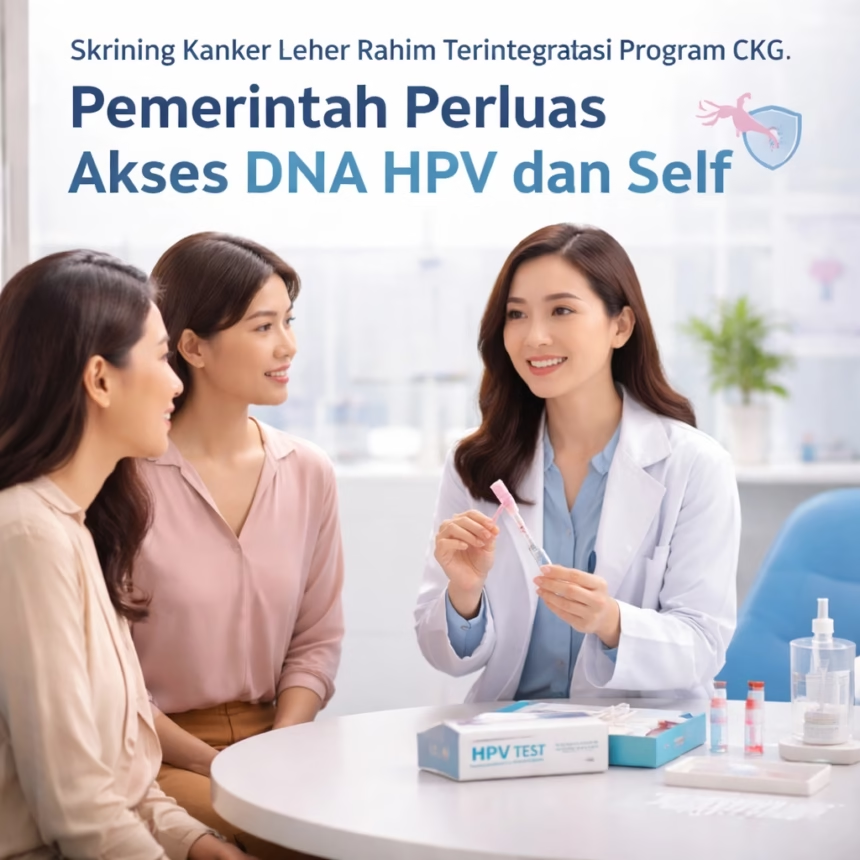
Indonesia is making significant strides in cervical cancer prevention through expanded screening programs. The government is now focusing on integrating Comprehensive Cancer Control (CCG) programs with innovative DNA HPV testing and self-sampling methods, aiming to reach more women across the archipelago. This initiative, announced in Jakarta on October 26, 2023, represents a crucial step toward reducing the incidence of this preventable disease.
Background: A Long-Standing Challenge
Cervical cancer remains a significant public health concern in Indonesia. According to the Ministry of Health data from 2021, approximately 11,000 new cases are diagnosed annually, with over 4,000 deaths. Historically, the national screening program relied primarily on visual inspection with acetic acid (VIA), a method considered less accurate than other approaches. The program has been gradually expanded since its inception in 2006, targeting women aged 30-50. However, challenges related to access, particularly in remote areas, and the limitations of VIA have hampered progress. The Indonesian government's commitment to addressing this issue has evolved over the years, recognizing the need for more effective and accessible screening tools.
Key Developments: DNA HPV and Self-Sampling on the Horizon
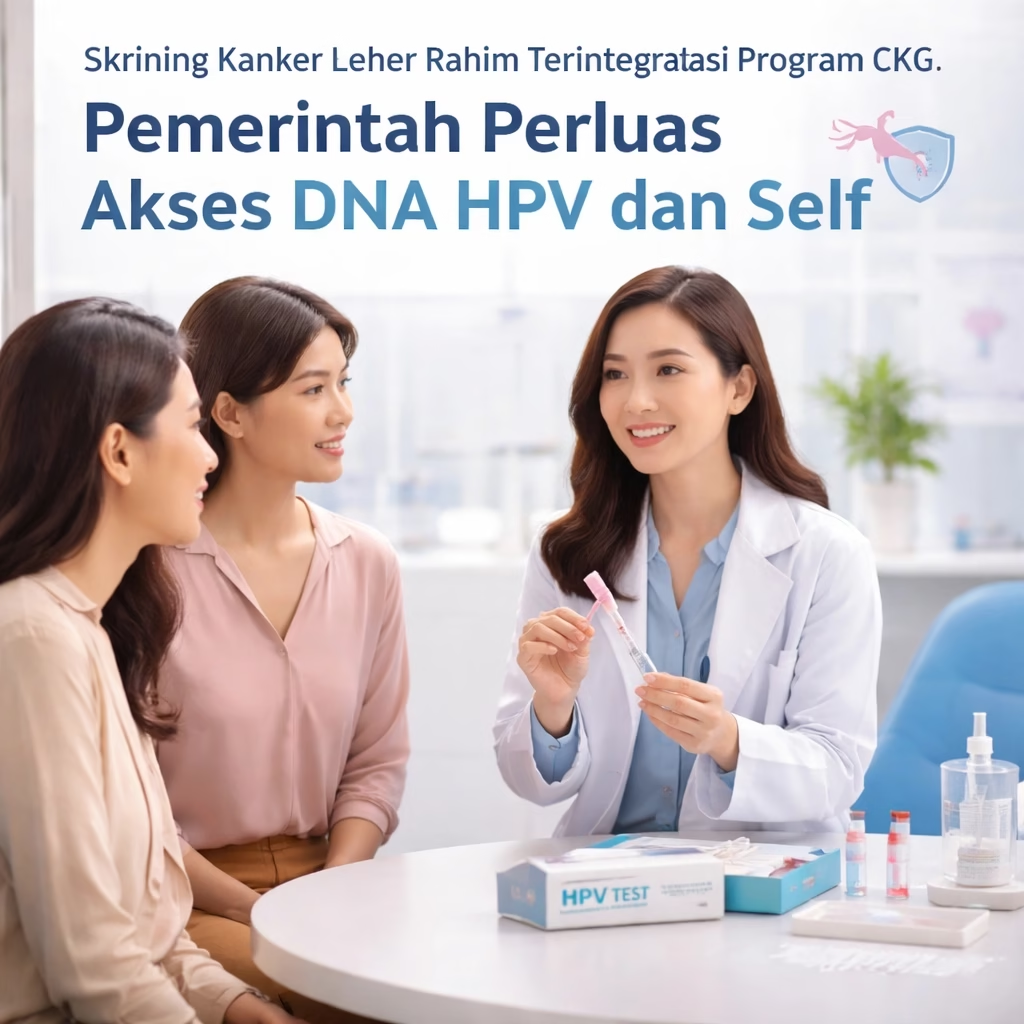
The recent expansion of the CCG program incorporates two key innovations: HPV DNA testing and self-sampling. HPV (Human Papillomavirus) is the primary cause of cervical cancer. DNA testing offers a more precise detection method compared to VIA, identifying high-risk HPV strains that can lead to cancer. The government is initially piloting HPV DNA testing in select regions, including West Java and Bali, with plans for wider implementation by 2025.
Self-sampling kits, allowing women to collect their own vaginal sample for HPV testing, are also being introduced. This approach overcomes logistical barriers, particularly in rural areas, and reduces the stigma associated with traditional screening methods. The Ministry of Health has partnered with several NGOs and private companies to procure and distribute these kits. Training programs for healthcare workers on proper self-sampling procedures are also underway. The program’s rollout began in pilot districts in East Nusa Tenggara in July 2023, with positive initial feedback.
More Read

Focus on Equitable Access
A crucial element of the program is ensuring equitable access for all women, regardless of their geographic location or socioeconomic status. The government is working with local health authorities to establish screening centers in underserved communities and provide financial assistance to women who may face barriers to accessing care.
Impact: Who Benefits and How
The expanded screening program is expected to have a significant impact on women's health across Indonesia. Earlier detection through HPV DNA testing and self-sampling will enable timely treatment, significantly improving survival rates. The program will particularly benefit women in remote areas who previously had limited access to screening services.
Dr. Sri Rezeki Hadinegara, Director of Non-Communicable Diseases at the Ministry of Health, stated that, "This integrated approach will empower women to take proactive steps towards their health and reduce the burden of cervical cancer on the nation." The initiative also aims to reduce healthcare costs in the long run by preventing advanced-stage cancers requiring more complex and expensive treatments.
More Read

What Next: Milestones and Future Plans
The government aims to expand HPV DNA testing to all provinces by 2027. The focus will be on strengthening the healthcare infrastructure and training healthcare workers to effectively utilize the new screening technologies. Furthermore, the program includes public awareness campaigns to encourage women to participate in screening and to dispel myths surrounding HPV.
Strengthening the Healthcare Workforce
A key component of the program’s success is the ongoing training of healthcare professionals. The Ministry of Health is collaborating with universities and training institutions to develop comprehensive training modules on HPV screening, diagnosis, and management. These modules will be delivered through a combination of online learning and in-person workshops. The goal is to ensure that healthcare workers are equipped with the knowledge and skills necessary to deliver high-quality cervical cancer screening services.
Conclusion
Indonesia's commitment to combating cervical cancer through integrated screening programs represents a significant advancement in public health. The combination of advanced technology, innovative approaches, and a focus on equitable access promises to make a real difference in the lives of millions of women. The program's success will depend on sustained government support, collaboration with healthcare providers, and active participation from the communities it serves.