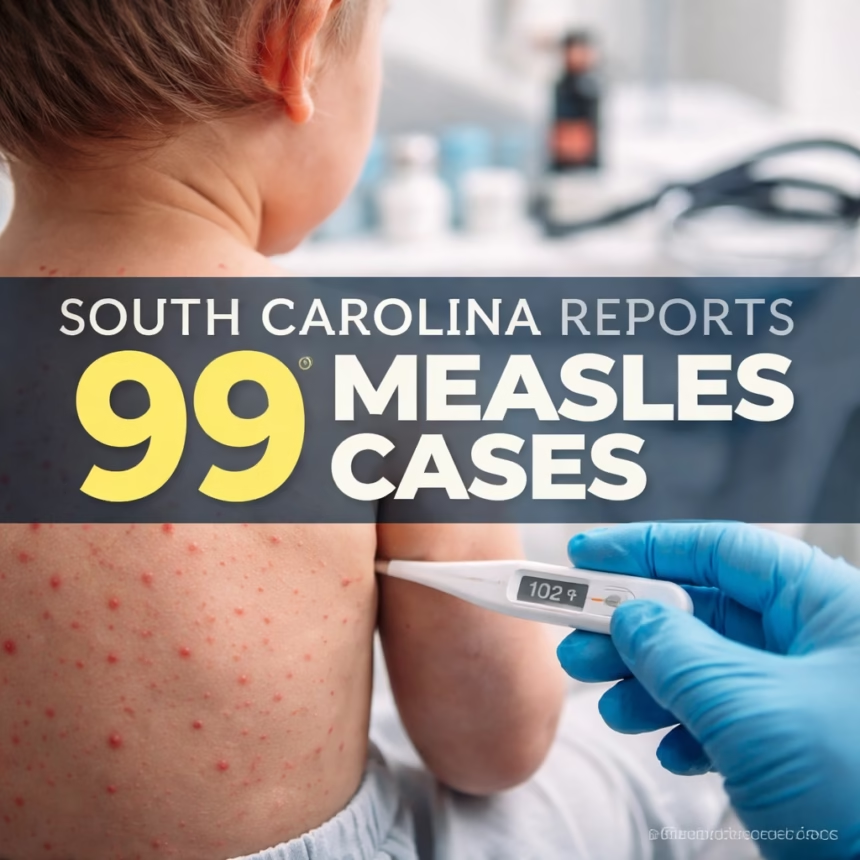
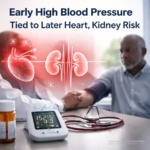
South Carolina public health officials have reported a significant surge in measles cases, with 99 new infections confirmed across the state. This alarming development, announced late last week, marks a critical escalation in public health concerns, prompting immediate action from state agencies and a renewed focus on community health. The rapid increase has prompted widespread concern among residents and healthcare professionals alike.
Background: A Resurgent Threat
Measles, a highly contagious respiratory disease caused by a virus, was declared eliminated in the United States in 2000 thanks to widespread vaccination efforts. Its re-emergence in such numbers in South Carolina represents a significant setback and highlights the vulnerability of communities with lower vaccination rates. The disease is characterized by a distinctive rash, fever, cough, runny nose, and red, watery eyes. While often considered a childhood illness, measles can lead to severe complications, including pneumonia, encephalitis (brain swelling), and even death, especially in infants and immunocompromised individuals.
Historical Context and Vaccination Trends
The measles, mumps, and rubella (MMR) vaccine, typically administered in two doses, has proven highly effective in preventing the disease. Prior to the vaccine's introduction in the 1960s, measles caused an estimated 3 to 4 million infections, 48,000 hospitalizations, and 400 to 500 deaths annually in the U.S. The success of vaccination campaigns led to a dramatic decline in cases, culminating in its elimination status. However, in recent years, a rise in vaccine hesitancy and a decrease in vaccination coverage in some areas have created pockets of susceptibility. South Carolina's statewide MMR vaccination rate for kindergartners has hovered around 93-94% in recent years, slightly below the 95% threshold recommended by public health experts for herd immunity, leaving a critical margin for outbreaks to occur.
Global and National Resurgence
The current outbreak in South Carolina is not an isolated incident. The World Health Organization has reported a global surge in measles cases, attributed to disruptions in routine immunization services during the COVID-19 pandemic and ongoing vaccine hesitancy movements. The United States has also seen an uptick in cases in various states over the past few years, often linked to international travel and subsequent community transmission in unvaccinated populations. This broader context underscores the interconnectedness of public health and the constant need for vigilance.
Key Developments: The Current Outbreak
The 99 new cases reported across South Carolina represent a dramatic increase from the sporadic single-digit cases observed in previous years. Health officials confirmed that the majority of these new infections were identified within the past three weeks, indicating rapid community transmission. The initial cluster of cases was traced back to an unvaccinated individual who had recently traveled internationally, subsequently spreading the virus within a close-knit community.
Geographic Spread and Demographics
The cases are not confined to a single region but are predominantly concentrated in three major metropolitan areas: Charleston County, Greenville County, and Richland County (home to the state capital, Columbia). These areas, with their higher population densities and diverse communities, present significant challenges for containment. Preliminary data indicates that a substantial majority of the infected individuals, approximately 85%, were unvaccinated or had unknown vaccination status. Children under the age of five and adults over 20 represent the largest affected age groups, consistent with populations most vulnerable to severe outcomes or those who may have missed routine vaccinations.
Public Health Response and Contact Tracing
Upon confirmation of the initial cases, the South Carolina Department of Health and Environmental Control (DHEC) immediately activated emergency response protocols. This included extensive contact tracing efforts, identifying hundreds of individuals who may have been exposed to the virus. Public health nurses and epidemiologists are working around the clock to notify contacts, advise on isolation measures, and offer immediate vaccination to eligible individuals. Several public health alerts have been issued, notifying residents about potential exposure sites, including schools, daycare centers, and local community gatherings.
Impact: A Strain on Resources and Public Trust
The sudden influx of measles cases has placed an immense strain on South Carolina's healthcare system and public health infrastructure. Hospitals are preparing for potential increases in admissions for severe complications, requiring specialized isolation rooms and dedicated medical staff. The financial burden of testing, treatment, and extensive public health interventions is also substantial, diverting resources from other critical health initiatives.
More Read

Healthcare Burden and Vulnerable Populations
The highly contagious nature of measles means that healthcare facilities must implement stringent infection control measures, which can be resource-intensive. Each confirmed case requires careful management to prevent nosocomial (hospital-acquired) transmission. Infants too young to be vaccinated, immunocompromised individuals, and pregnant women are particularly vulnerable to severe illness and complications, increasing the urgency of containment efforts. The risk to these groups necessitates extreme caution and proactive protection strategies.
Educational and Economic Disruptions
Several schools and daycare centers in affected counties have reported confirmed cases, leading to temporary closures or exclusion orders for unvaccinated students and staff. This disruption impacts thousands of families, creating childcare challenges and affecting educational continuity. Businesses in areas with high transmission rates may also experience reduced patronage due to public health advisories and general apprehension, leading to potential economic losses. The broader economic impact includes lost productivity due to illness and the significant costs associated with outbreak response.
Public Concern and Vaccine Hesitancy
The outbreak has ignited widespread public concern and rekindled debates surrounding vaccine hesitancy. While many residents are seeking vaccination for themselves and their children, misinformation about vaccines continues to circulate, posing a challenge to public health messaging. The incident underscores the critical importance of accurate, evidence-based communication from trusted health authorities to maintain public trust and promote informed health decisions.
What Next: Containment and Prevention Efforts
In response to the escalating situation, South Carolina DHEC has outlined a comprehensive strategy to contain the outbreak and prevent further spread. This plan involves intensified surveillance, targeted vaccination campaigns, and robust public education initiatives. The goal is to rapidly increase community immunity and break the chains of transmission.
Intensified Surveillance and Rapid Response
Public health officials are enhancing surveillance systems to identify new cases quickly and accurately. Healthcare providers across the state have been instructed to report any suspected measles cases immediately, facilitating prompt investigation and isolation. Rapid response teams are being deployed to areas with new clusters of cases to implement immediate control measures. This proactive approach is crucial for staying ahead of the virus's spread.

Targeted Vaccination Campaigns
DHEC, in partnership with local health departments and community organizations, is launching targeted vaccination clinics in affected counties. These clinics aim to reach unvaccinated individuals, particularly children and young adults, who are at highest risk. Mobile vaccination units may also be deployed to increase accessibility in underserved communities. Public service announcements are urging all eligible residents to verify their vaccination status and receive the MMR vaccine if needed.
Public Education and Community Engagement
A critical component of the response is a renewed public education campaign. This initiative will focus on disseminating accurate information about measles symptoms, transmission, and the safety and effectiveness of the MMR vaccine. Community leaders, healthcare providers, and local organizations are being enlisted to help share vital health messages and address concerns about vaccination. The aim is to empower residents with the knowledge needed to protect themselves and their families.
Potential Policy Discussions
The scale of the outbreak may also prompt discussions among state legislators regarding public health policies, particularly those related to vaccine exemptions. While South Carolina currently allows for medical, religious, and philosophical exemptions for school vaccination requirements, the recent surge could lead to a reevaluation of these policies to strengthen community immunity and protect vulnerable populations. Any such discussions would involve careful consideration of individual liberties versus public health imperatives.
The battle against measles in South Carolina is ongoing, requiring a concerted effort from public health officials, healthcare providers, and every resident. The coming weeks will be critical in determining the trajectory of this outbreak and the effectiveness of the state's response to this resurgent, preventable disease.