Measles Cases Falling in South Carolina: A Cause for Hope?
South Carolina has reported a decrease in daily measles cases in recent weeks, offering a glimmer of hope in the ongoing battle against the highly contagious disease. However, health officials caution that it's still too early to declare a significant slowdown in the outbreak, emphasizing the need for continued vigilance and vaccination efforts across the state.
Background: A Recent Surge
Starting in late 2022, South Carolina experienced a notable increase in measles cases, a disease once considered largely eradicated in the United States. The first confirmed case in the state was reported in December 2022, triggering concerns among public health officials. By early 2023, the number of cases began to climb, with clusters reported in several counties, including Richland, Lexington, and Charleston. The South Carolina Department of Health and Environmental Control (DHEC) has been actively investigating the source of the outbreak, tracing connections between cases and identifying areas with lower vaccination rates.
Measles is highly contagious and spreads through respiratory droplets when an infected person coughs or sneezes. It can cause serious complications, including pneumonia, encephalitis (brain swelling), and even death, particularly in young children and individuals with weakened immune systems.
Key Developments: A Recent Dip
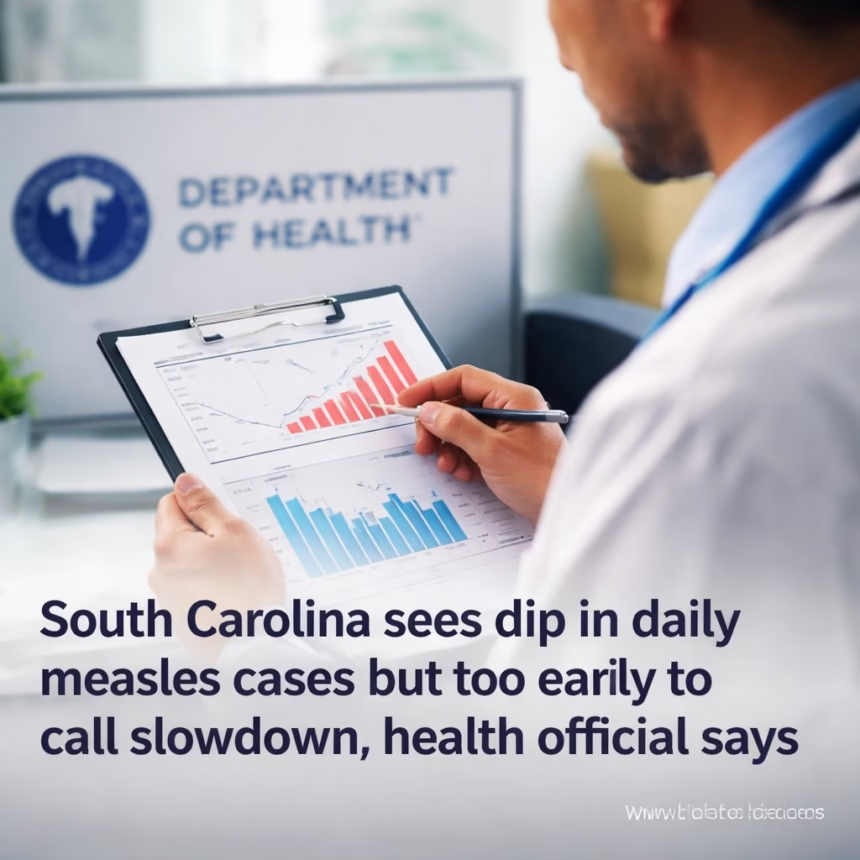
Over the past four weeks, South Carolina has observed a decline in the number of new measles cases reported daily. While the exact figures fluctuate, the average daily count has dropped from a peak of around 8-10 cases in early April to approximately 2-3 cases in the last week of April. This decrease is encouraging, but officials stress that a sustained trend is required to confirm a genuine slowdown.

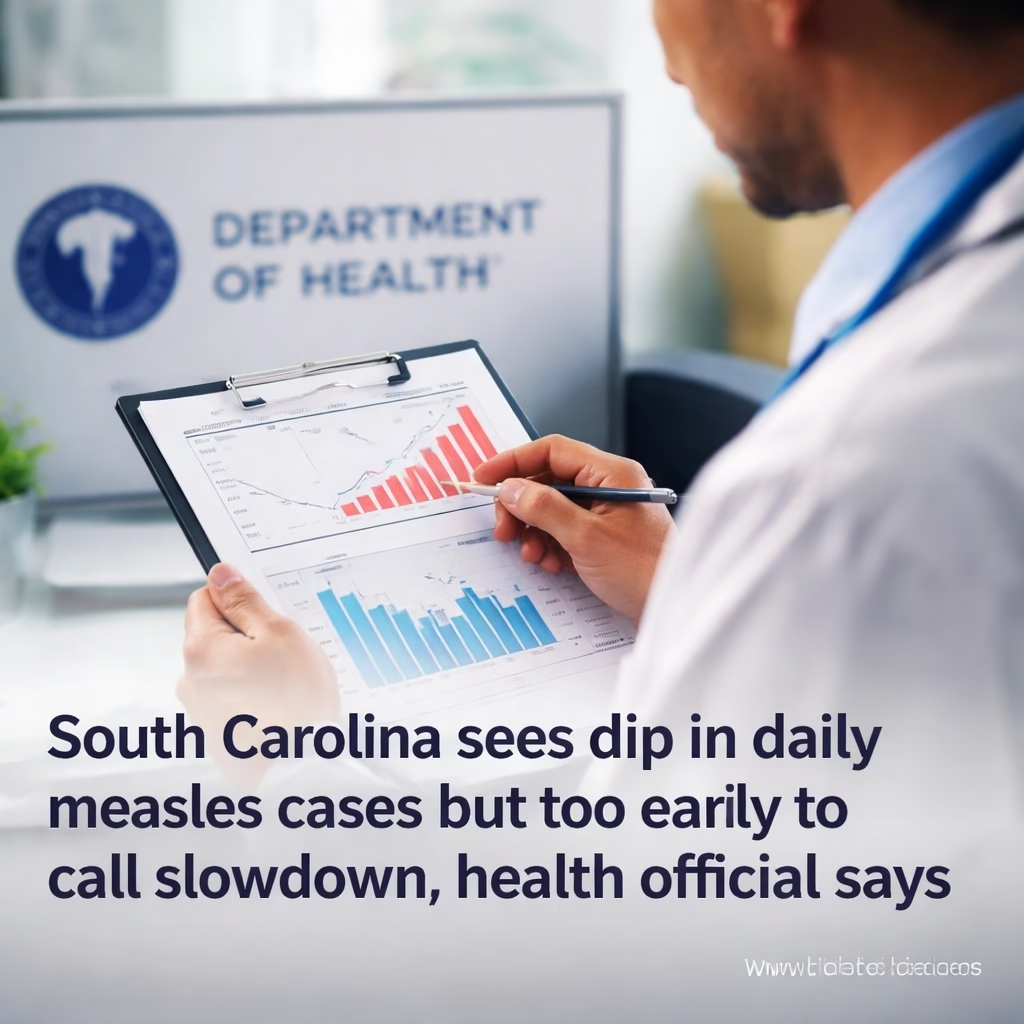
DHEC attributes this potential decline to several factors, including increased public awareness campaigns promoting measles vaccination, enhanced contact tracing efforts, and the natural waning of the outbreak. However, they also highlight the continued risk posed by unvaccinated individuals and the potential for new cases to emerge.
Impact: Vulnerable Populations at Risk
The measles outbreak has disproportionately affected unvaccinated individuals, particularly children under the age of five. While the majority of cases have been among those who were not fully vaccinated or who had incomplete vaccination schedules, some cases have been reported in adults who may have missed opportunities for vaccination or had waning immunity.
More Read

The outbreak has also placed a strain on healthcare resources, requiring additional testing, contact tracing, and public health messaging. Local hospitals and clinics have been preparing for a potential surge in measles cases and complications.
County-Level Breakdown
Richland County has reported the highest number of measles cases in South Carolina throughout the outbreak, followed by Lexington and Charleston counties. However, recent data indicates a decrease in cases across all counties, although the rate of decline varies.
What Next: Continued Monitoring & Vaccination Push
DHEC is continuing to closely monitor measles case numbers and investigate any new reports. They are urging residents to review their vaccination records and ensure that themselves and their children are up-to-date on measles immunizations.
Vaccination Recommendations
The Centers for Disease Control and Prevention (CDC) recommends that children receive two doses of the MMR (measles, mumps, and rubella) vaccine: the first dose at 12-15 months of age and the second dose at 4-6 years of age. Adults who have not been vaccinated or who have incomplete vaccination schedules should also receive the MMR vaccine.
Public health officials are planning to intensify vaccination outreach efforts in areas with low vaccination rates. This includes partnerships with local healthcare providers, schools, and community organizations to make vaccines more accessible and address vaccine hesitancy. The state is also exploring targeted vaccination campaigns for specific populations at higher risk.
DHEC anticipates that the coming months will be crucial in determining the long-term trajectory of the measles outbreak. They are committed to working with communities across South Carolina to prevent future outbreaks and protect public health.