Starlink Gets a Military Upgrade: SpaceX's Latest Mission
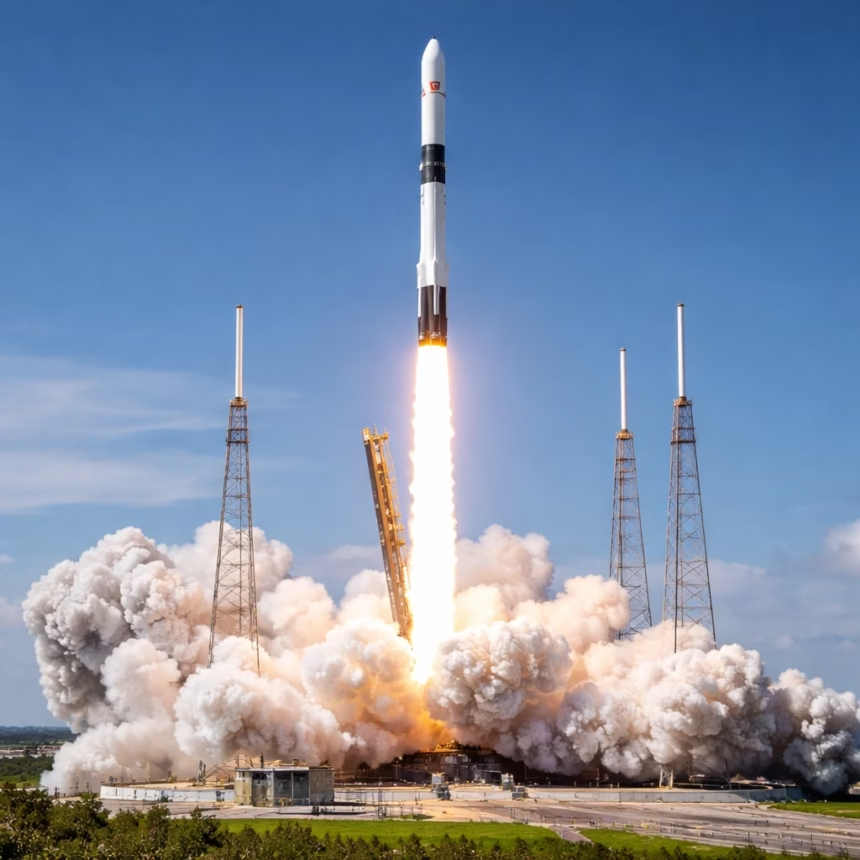
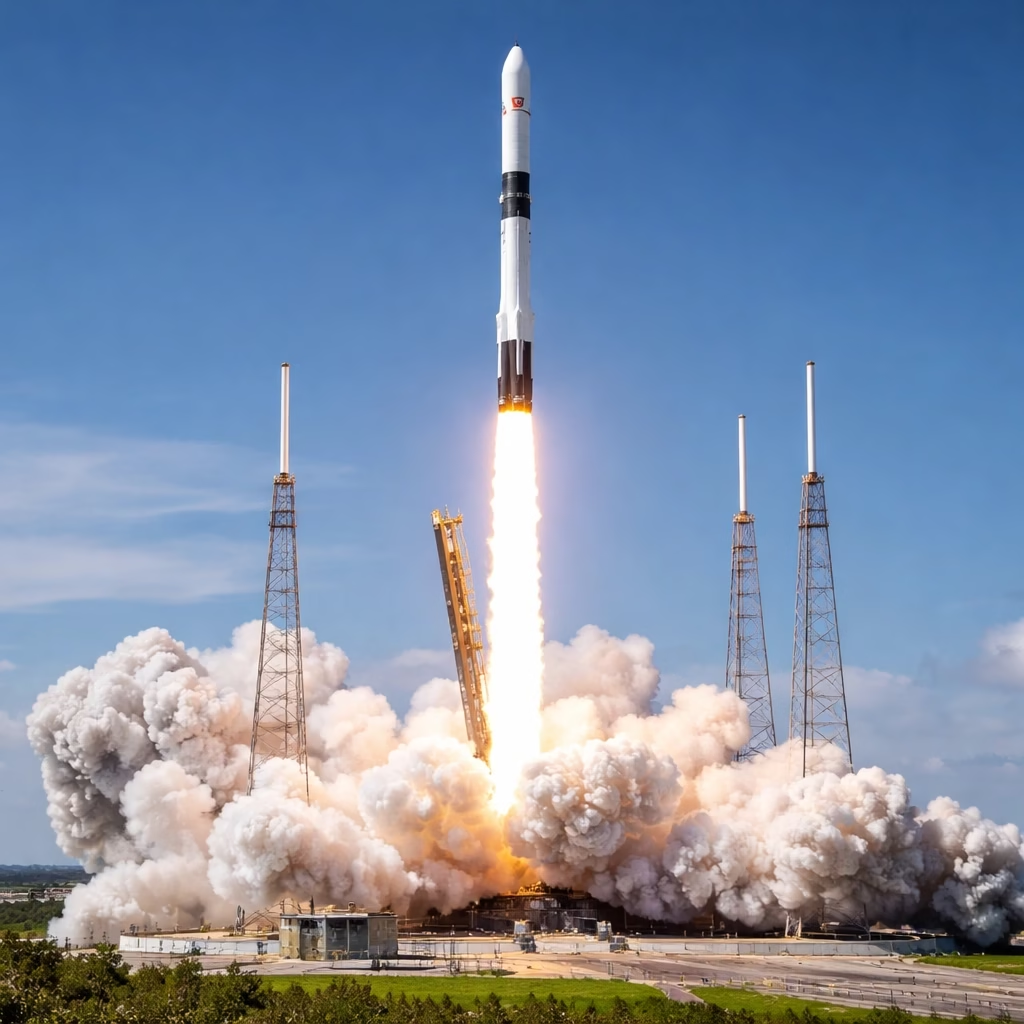
SpaceX successfully launched a highly advanced GPS satellite on behalf of the United States Space Force from Cape Canaveral Space Force Station in Florida on January 13, 2024. This mission represents a significant step in bolstering the nation's space-based capabilities and enhancing global navigation.
Background: A Growing Need for Secure GPS
The US Space Force, established in December 2019, is the newest branch of the US Armed Forces, responsible for organizing, training, and equipping space forces. A critical component of its mission is ensuring the security and resilience of the nation's GPS constellation. Older GPS satellites are nearing the end of their operational lifespans, and the risk of jamming or attack necessitates a continual upgrade with more robust and secure systems.
For decades, the United States has relied on GPS for everything from civilian navigation to military operations, including precision guidance for missiles and aircraft. As GPS technology becomes increasingly vital to national security, the need for advanced, hardened satellites has intensified. The Space Force's strategy involves a multi-pronged approach to GPS modernization, including the development of new satellite designs and the deployment of enhanced security features.
Key Developments: Enhanced Security and Performance
The recently launched satellite, built on SpaceX's Starlink L2 platform, incorporates enhanced security features designed to resist jamming and cyberattacks. While specific details remain classified, SpaceX confirmed the satellite features advanced encryption and anti-jamming technologies. This is a departure from earlier GPS satellites, which were more vulnerable to interference.

The satellite also boasts improved performance capabilities, offering greater accuracy and reliability than previous generations. This is achieved through advancements in signal processing and hardware design. SpaceX utilized its Falcon 9 rocket for the launch, a proven system known for its reliability and reusability. The mission included precise orbital insertion, placing the satellite into its designated position within the GPS constellation.
Impact: Strengthening National Security & Global Navigation
This launch directly benefits the US Space Force by expanding its operational capabilities and improving the security of its GPS network. A more resilient GPS constellation is crucial for maintaining military advantage and ensuring the ability to conduct operations in contested environments.
Beyond the military, the enhanced GPS satellite will also contribute to improved civilian navigation and timing services. Applications like autonomous vehicles, precision agriculture, and financial transactions rely on the accuracy and availability of GPS. The improved security features also help protect these civilian applications from malicious interference.
More Read

What Next: Continued Deployment and Future Enhancements
This launch is just the first in a series of planned deployments under the Space Force's GPS modernization program. Additional satellites are scheduled to be launched over the next several years, gradually replacing older systems and incorporating new technologies.
Future Satellite Features
Future GPS satellites are expected to include even more advanced security features, such as quantum-resistant cryptography, to safeguard against emerging cyber threats. They will also incorporate enhanced capabilities for resilience to space weather events. The Space Force is also exploring the integration of artificial intelligence to improve the efficiency and accuracy of GPS operations.
SpaceX’s Role
SpaceX has been awarded multiple contracts by the US Space Force to launch GPS satellites. This partnership highlights the growing role of commercial space companies in supporting national security initiatives. SpaceX’s Starlink platform offers a cost-effective and rapid deployment solution for launching these critical satellites.
The success of this mission reinforces SpaceX's position as a key player in the future of space-based infrastructure and highlights the increasing collaboration between government and commercial entities in the space sector.