Ancient Predator Gets a Heroic Name: Crocodile Honors Dedicated Teacher
Scientists have announced the discovery of a new species of ancient crocodile, Crocodylus pennaeensis, unearthed in Morocco. The remarkable find is significant not only for paleontological insights but also because it honors the memory of Margaret "Maggie" Evans, a beloved Welsh school teacher who championed science education.
Background: A Glimpse into the Past
The fossil remains of Crocodylus pennaeensis were discovered in the Kem Kem Beds of Morocco, a region renowned for its exceptionally well-preserved fossils dating back to the Late Cretaceous period, approximately 72 to 66 million years ago. This timeframe places the crocodile’s existence during the final chapter of the dinosaur era.
The Kem Kem Beds have been yielding significant paleontological discoveries since the late 19th century, but the latest find representing Crocodylus pennaeensis represents a crucial piece in understanding the evolution of modern crocodiles and their ecological role during the Cretaceous period. Previous discoveries in the area have revealed a diverse range of prehistoric creatures, including dinosaurs, mammals, and various reptiles.

Key Developments: A New Species Emerges
The formal description of Crocodylus pennaeensis was published in the scientific journal *Historical Biology* on October 26, 2023. The research team, led by Dr. Neil Condie of the Natural History Museum in London, meticulously analyzed the fossilized remains, comparing them to those of other known crocodile species.
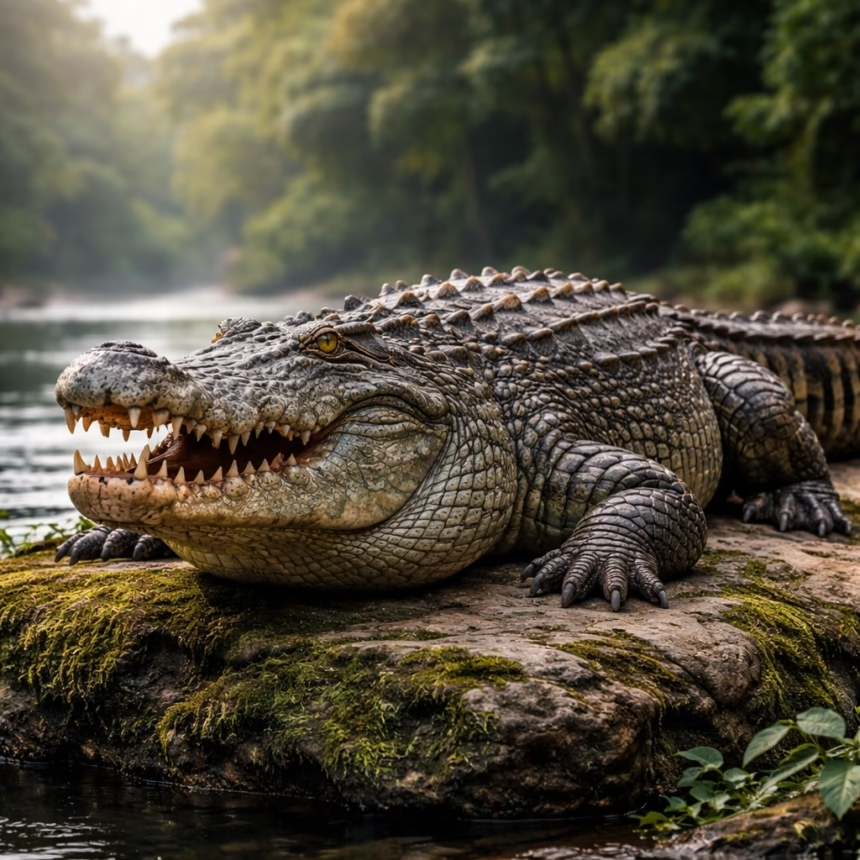
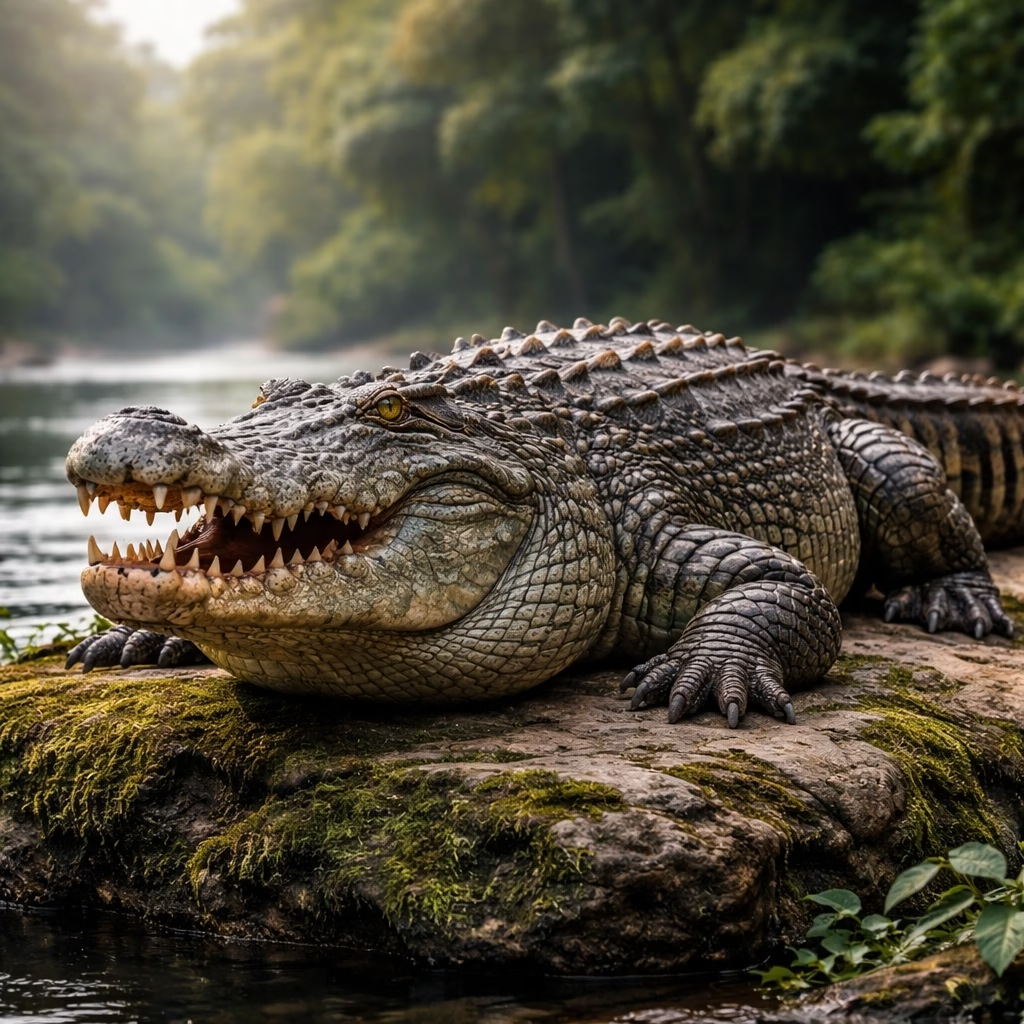
Key distinguishing features of Crocodylus pennaeensis include unique bony plates (osteoderms) along its back, which are distinct from those found in other Cretaceous crocodiles. These plates are arranged in a distinctive pattern that researchers believe may have served a display function or provided additional protection. The crocodile is estimated to have been around 4 meters (13 feet) long.
The naming of the species in honor of Margaret Evans, who passed away in 2021, was a unanimous decision by the research team. Evans was a passionate advocate for science education in Wales and dedicated her career to inspiring young people to explore the wonders of the natural world. She was particularly known for her engaging lessons on paleontology and evolution.
More Read

Impact: Celebrating a Life and Advancing Science
The discovery and naming of Crocodylus pennaeensis has resonated deeply within the scientific community and beyond. It serves as a potent reminder of the importance of preserving and studying our planet's fossil record.
The tribute to Margaret Evans has been particularly meaningful to her former students and colleagues in Wales. The Welsh government has issued a statement recognizing Evans’s contributions to education and commending the research team for honoring her memory. A local school is planning a commemorative event in her honor to coincide with the announcement.
What Next: Unraveling Cretaceous Ecosystems
Researchers plan to continue studying the Crocodylus pennaeensis fossil to gain further insights into the crocodile’s life history, diet, and behavior. They hope to uncover more clues about the ancient ecosystem in which it lived.
Further Research Aims
Dietary Analysis: Scientists will analyze microscopic wear patterns on the crocodile’s teeth to determine its primary food sources.
Skeletal Structure: Detailed CT scans will be used to create a 3D model of the crocodile’s skeleton, allowing for a more precise understanding of its anatomy and movement.
Paleoenvironmental Reconstruction: By studying the surrounding sediments and fossils, researchers aim to reconstruct the environment in which Crocodylus pennaeensis thrived, including climate, vegetation, and other animal species present.
The discovery underscores the ongoing potential for paleontological discoveries to enrich our understanding of Earth’s history and to inspire future generations of scientists and educators.