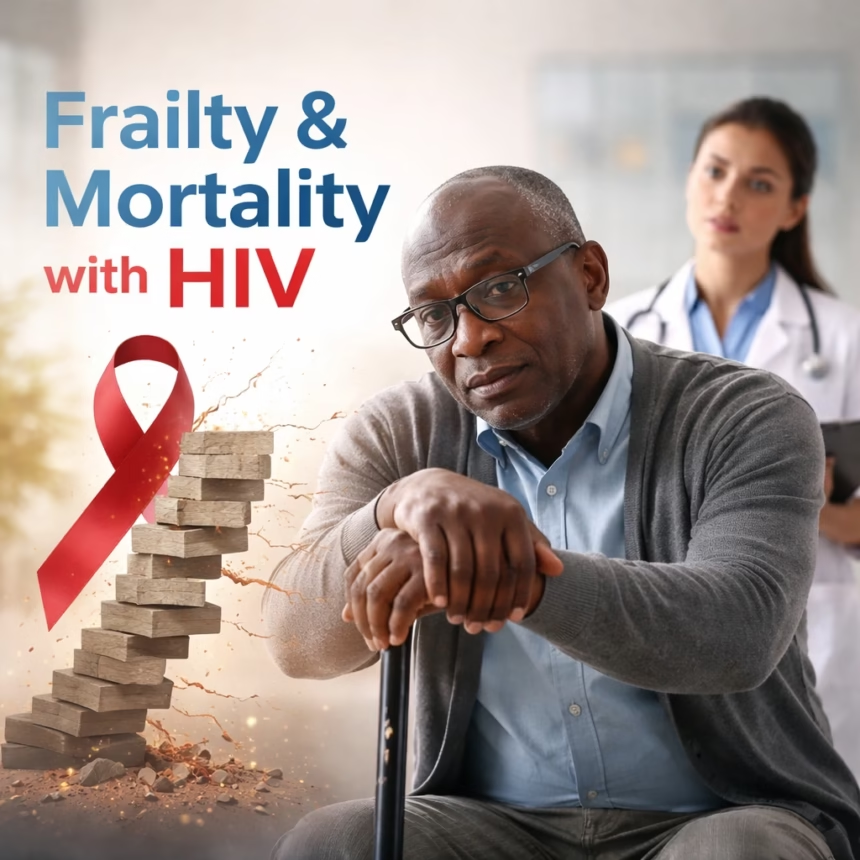
HIV & Aging: Frailty Emerges as a Critical Risk Factor
A new study published in the Journal of Infectious Diseases in October 2023 highlights a concerning link between frailty and increased mortality in individuals living with HIV, and reveals that this risk emerges surprisingly early in the course of infection. The research, conducted by a team at TheBodyPro and collaborating institutions, underscores the importance of proactive health management for this population.
Understanding the Landscape: Frailty and HIV
Frailty, characterized by decreased physiological reserve and increased vulnerability to stressors, is often associated with advanced age. However, this study challenges that assumption, demonstrating its presence even in younger adults with HIV. HIV infection itself, as well as long-term antiretroviral therapy (ART), can contribute to frailty through various mechanisms, including chronic inflammation, immune dysfunction, and associated comorbidities. The timeline for frailty development varies considerably, but the research indicates it can begin within the first decade of living with HIV.
Historically, the focus in HIV care was primarily on viral load suppression and preventing opportunistic infections. While these remain critical, the growing recognition of frailty necessitates a broader, more holistic approach to patient care. The increasing lifespan of people with HIV, thanks to ART advancements since the mid-1990s, has amplified the importance of addressing age-related vulnerabilities.
New Findings: Frailty’s Early Onset and Mortality Link
The latest study analyzed data from over 1,000 individuals with HIV enrolled in the Multicenter Consortia for HIV Prevention Studies (MCHIPS) network across the United States, Canada, and Europe. Researchers used a validated frailty assessment tool to evaluate participants at baseline and over a period of five years. The findings revealed a statistically significant association between frailty and a higher risk of mortality, even after adjusting for factors like CD4 count, viral load, and age.
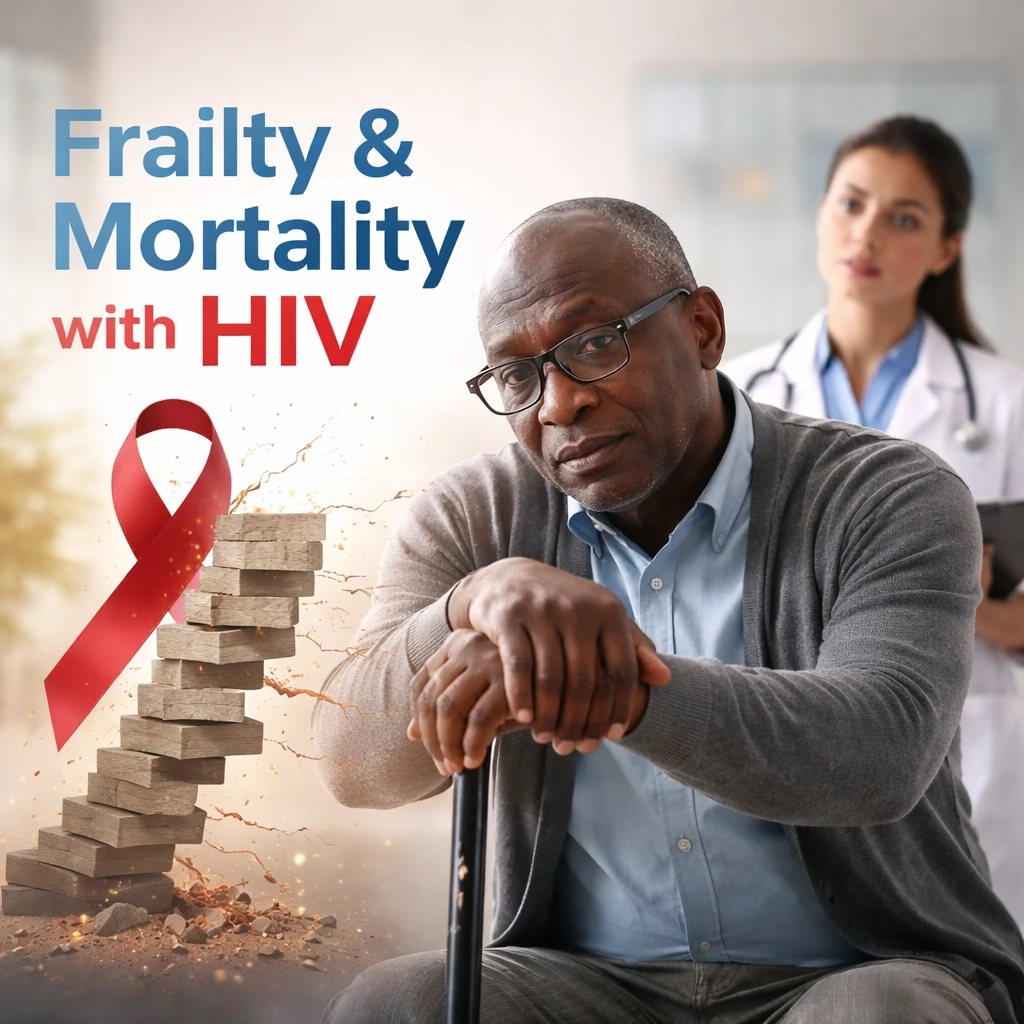
Specifically, individuals identified as frail at baseline had a 35% higher risk of death compared to those who were not frail. What's particularly alarming is that a substantial proportion of participants (around 20%) exhibited frailty within the first five years of HIV diagnosis. This suggests that frailty isn't solely a consequence of long-term illness but can be an early manifestation of the disease's impact on the body.
The study also identified specific biological markers associated with frailty in the HIV population, including reduced muscle strength, decreased physical function, and elevated inflammatory markers. These findings offer potential targets for interventions aimed at mitigating frailty and improving outcomes.
Who is Most Affected?
While frailty can affect individuals with HIV of all ages and backgrounds, certain subgroups appear to be at higher risk. These include older adults (typically those over 50), individuals with a history of cardiovascular disease or diabetes, and those who have experienced significant periods of immunosuppression.
More Read

Geographic variations in access to care and socioeconomic factors may also contribute to disparities in frailty rates. Individuals living in areas with limited healthcare resources or facing social determinants of health challenges are more likely to develop frailty and experience adverse outcomes.
Furthermore, pre-existing conditions, even before HIV diagnosis, can significantly impact frailty risk. A history of chronic stress, poor nutrition, or lack of physical activity can exacerbate the effects of HIV on physiological function.
Looking Ahead: Intervention and Prevention
The findings of this study underscore the urgent need for proactive frailty screening and management in people living with HIV. Researchers are exploring various interventions to address frailty, including targeted exercise programs, nutritional support, and medication adjustments to manage underlying comorbidities.
Potential Interventions
Exercise, particularly strength training, has shown promise in improving muscle strength and physical function in frail individuals. Nutritional interventions, focusing on adequate protein intake and micronutrient supplementation, can also help to counteract muscle wasting and improve immune function. Furthermore, managing chronic conditions like hypertension and diabetes is crucial for preventing frailty progression.
Future research will focus on developing and testing specific frailty interventions tailored to the needs of the HIV population. This includes exploring the role of novel therapies targeting inflammation and immune dysfunction. The goal is to delay frailty onset, slow its progression, and ultimately improve the quality of life and longevity of people living with HIV.

Clinical guidelines are expected to incorporate routine frailty assessments into HIV care pathways within the next few years. This will enable healthcare providers to identify vulnerable individuals early on and implement targeted interventions to improve their health outcomes. The hope is that by addressing frailty proactively, we can extend the healthspan of people living with HIV and ensure they enjoy a longer, healthier life.