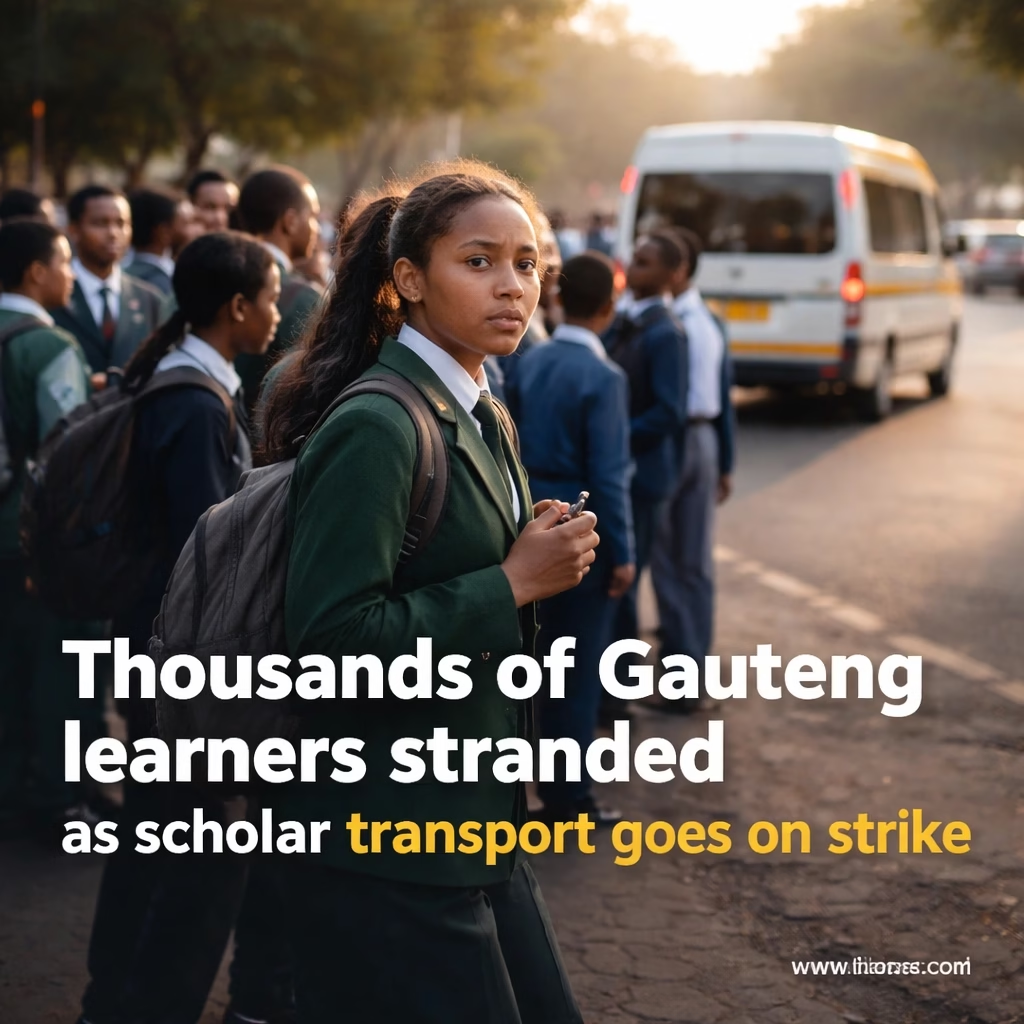
Thousands of learners across Gauteng province have been left stranded, unable to reach their schools, as subsidised scholar transport operators initiated a widespread strike this week. The industrial action, primarily affecting students reliant on state-funded transport, stems from long-standing payment disputes and contractual disagreements with the Gauteng Department of Education. This disruption has cast a shadow over the academic year, impacting attendance and posing significant logistical challenges for families in critical districts.
Background: The Lifeline Under Threat
The Gauteng Department of Education (GDE) operates an extensive scholar transport programme, a vital service designed to provide safe and reliable daily commutes for learners residing far from schools, in rural areas, or high-risk environments. This programme is crucial for ensuring equitable access to education, particularly for disadvantaged communities. Private transport operators, contracted by the GDE, form the backbone of this system, ferrying hundreds of thousands of students across the province.
A History of Discontent
However, the relationship between the GDE and these operators has frequently been fraught with tension. For years, complaints have surfaced regarding delayed payments, inconsistent contract renewals, and what operators describe as unviable remuneration rates. Previous strikes and protests have periodically disrupted services, highlighting systemic issues within the procurement and payment processes.
These recurring disputes often leave both parties frustrated and, most significantly, learners vulnerable to educational setbacks. The current strike is seen by many as a culmination of these unresolved grievances, pushing operators to their breaking point after months of alleged non-payment.
Key Developments: The Strike Commences
The latest strike action officially began on Monday, October 23, 2023, following a series of failed negotiations between operator representatives and the GDE. Operators, united under various associations such as the Gauteng Scholar Transport Association (GSTA), collectively decided to withdraw their services indefinitely. This move immediately impacted approximately 120,000 learners across all five GDE regions: Johannesburg Central, Johannesburg North, Johannesburg West, Ekurhuleni North, Ekurhuleni South, Tshwane North, Tshwane South, Tshwane West, Sedibeng East, and Sedibeng West.

Operators’ Demands
The core demands of the striking operators are multi-faceted but centre primarily on the immediate settlement of outstanding invoices, some reportedly dating back several months. Operators claim the GDE owes them millions of Rands, severely impacting their ability to maintain vehicles, pay drivers, and cover operational costs like fuel. Additionally, they are advocating for a review of current contract rates, arguing that the existing tariffs do not adequately account for rising fuel prices, vehicle maintenance, and driver wages. They also seek greater transparency and stability in the tender and contract renewal processes, aiming for long-term agreements rather than short-term, precarious arrangements.
GDE’s Response and Negotiations
In response, the Gauteng Department of Education acknowledged the payment delays, attributing them to administrative challenges and compliance issues with certain contractual terms. GDE spokesperson Steve Mabona urged operators to return to service, emphasising the impact on learners, and assured them that efforts were underway to expedite payments. Meetings between GDE officials, including MEC for Education Matome Chiloane, and operator representatives have been ongoing throughout the week. While some progress has been reported in identifying specific payment backlogs, a comprehensive resolution remains elusive, with operators maintaining their stance until concrete payment plans are implemented.
Impact: Learners Bear the Brunt
The most profound impact of the strike is undoubtedly felt by the thousands of learners who rely solely on this transport service. Many students, particularly those in Grades R to 12, live in areas where public transport is non-existent, unsafe, or unaffordable. Without the subsidised buses, children are forced to walk kilometres to school, often through dangerous routes, or miss school entirely. Schools in affected districts have reported significant drops in attendance rates, with some recording less than 50% of their usual student body present. This disruption is particularly critical for learners preparing for mid-year or end-of-year examinations, jeopardising their academic progress.
More Read

Parental Burden and Safety Concerns
Parents, many of whom are low-income earners, face an immense burden. They are scrambling to find alternative transport, often at their own expense, or are forced to take time off work to escort their children. This not only adds financial strain but also disrupts their own livelihoods. Safety is a paramount concern, with parents expressing fears about their children walking alone, especially girls, through isolated or high-crime areas. The strike has exposed the vulnerability of families dependent on state-provided services, highlighting the critical role scholar transport plays in their daily lives and overall well-being.
Ripple Effect on Schools and Communities
Schools are also grappling with the fallout, struggling to manage reduced class sizes and the implications for lesson planning and curriculum delivery. Teachers report difficulties in covering material, knowing that many students are absent. The wider community feels the strain as well, with the strike exacerbating existing socio-economic challenges and undermining efforts to improve educational outcomes in Gauteng.
What Next: Seeking Long-Term Stability
Negotiations between the GDE and scholar transport operators are expected to continue into next week, with both parties under increasing pressure to find a swift resolution. The GDE has indicated it is working on a phased payment plan for outstanding invoices and has committed to reviewing contractual terms to ensure fairness and sustainability for operators. However, operators insist on immediate, substantial payments before they will consider resuming services.
Potential for Escalation
Should the deadlock persist, there is a strong possibility of the strike escalating, potentially drawing in other stakeholders or leading to broader protests. Learner representative bodies and parent associations are contemplating further action, including public demonstrations, to pressure the provincial government into resolving the crisis. The Gauteng Provincial Government, through Premier Panyaza Lesufi, has been urged to intervene directly to mediate a lasting agreement and prevent further educational disruption.
Overhauling the System
Beyond the immediate resolution, experts and civil society organisations are calling for a comprehensive overhaul of the scholar transport system in Gauteng. This includes establishing a more transparent and efficient payment mechanism, reviewing contract durations and rates annually to reflect economic realities, and creating a robust dispute resolution framework. The aim is to move away from crisis management towards a sustainable model that guarantees reliable transport for learners and fair treatment for operators, ensuring that the right to education for thousands of Gauteng children is never again compromised by such disputes. The coming days will be crucial in determining whether a breakthrough can be achieved, allowing learners to return to their classrooms without further delay.