Viral Video Sparks Demand for Action Against Deepfakes
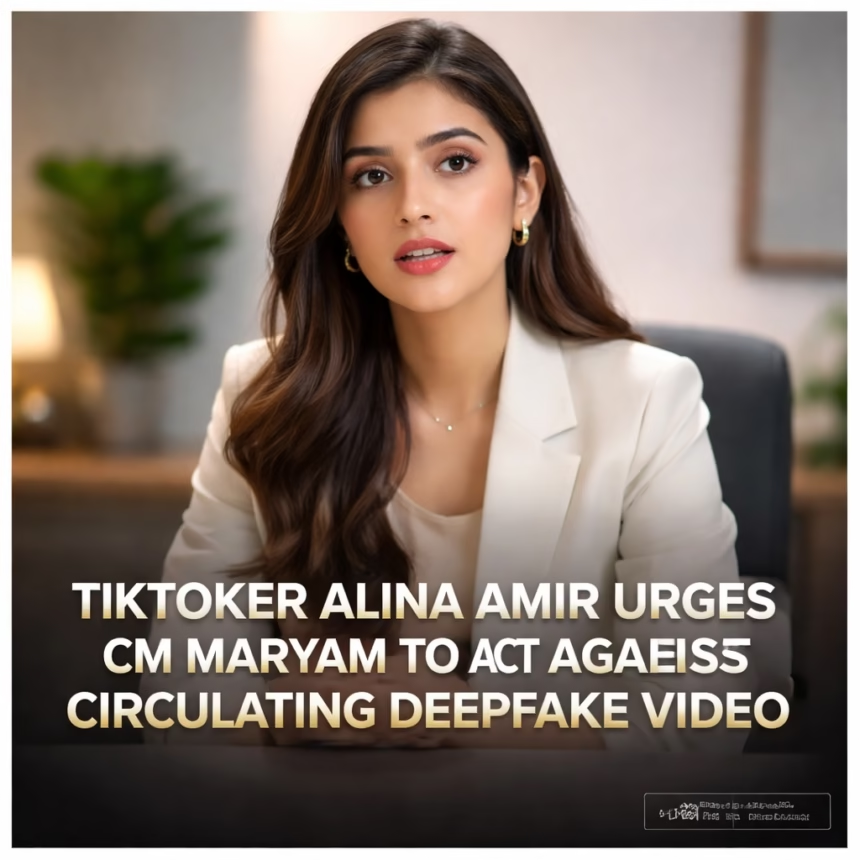
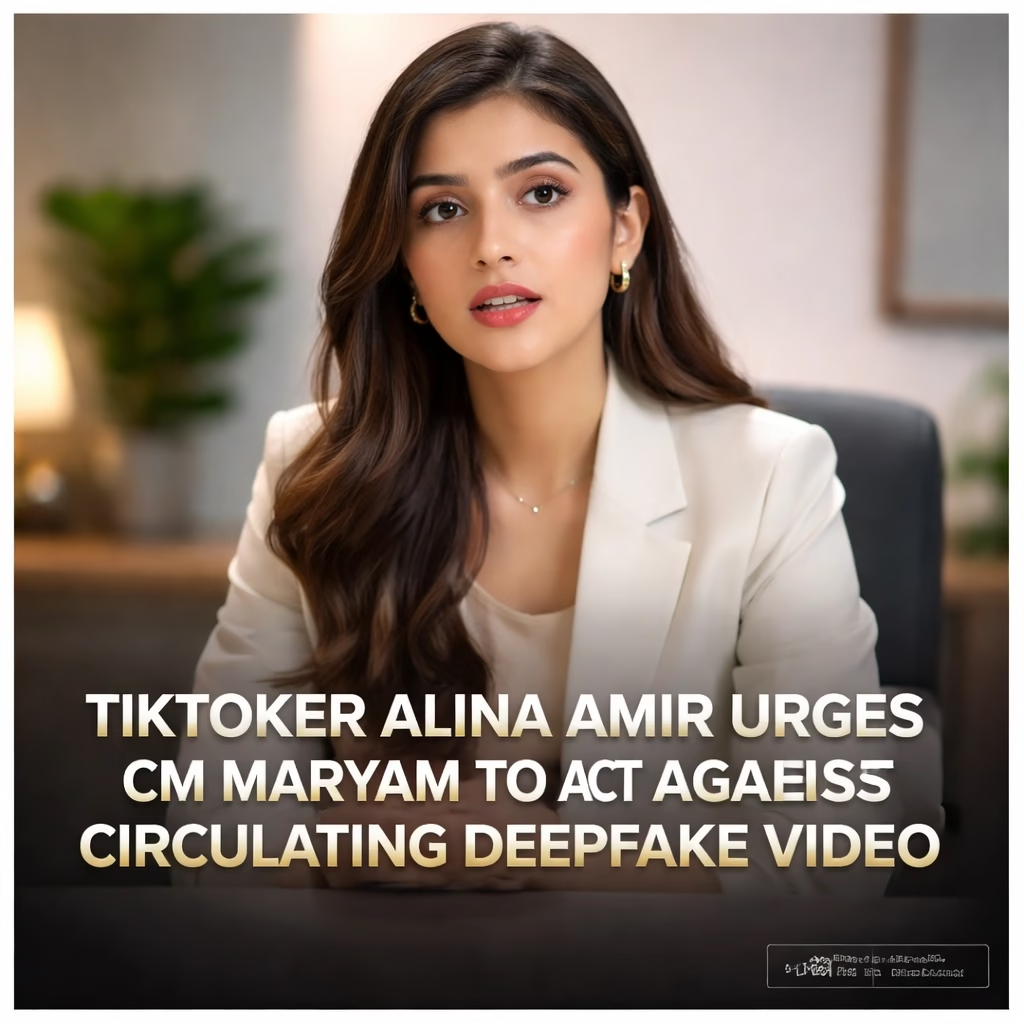
A widely circulated deepfake video featuring Iranian President Maryam Zahrani has ignited a wave of concern and calls for government action. The incident, which began circulating on TikTok in early November 2023, has prompted prominent TikToker Alina Amir to publicly urge President Zahrani to address the issue.
Background
The deepfake video, purportedly showing President Zahrani in a compromising situation, first appeared on TikTok on November 3, 2023. The video quickly gained traction, amassing millions of views across various social media platforms, including X (formerly Twitter) and Facebook. Experts have confirmed the video is a sophisticated manipulation using artificial intelligence to alter President Zahrani's likeness and voice.
Iran has faced increasing scrutiny regarding its regulations around social media and online content. While the government has implemented measures to control internet access and censor content, deepfakes present a new and complex challenge. Existing laws regarding defamation and misinformation are being examined for their applicability to this emerging technology.
Key Developments
Alina Amir, a popular TikTok creator with over 10 million followers, publicly addressed the situation on November 7, 2023, posting a video urging President Zahrani to take decisive action. In her video, Amir emphasized the potential harm caused by the deepfake, highlighting concerns about its impact on the President's reputation and the broader political climate.
More Read

Amir’s video quickly went viral, garnering significant attention from international media outlets and prompting discussions about the need for stronger regulations and technological solutions to combat deepfakes. Several human rights organizations have also issued statements condemning the creation and dissemination of the video, calling for investigations and accountability.
The Iranian government has yet to issue an official statement directly addressing the deepfake video or Alina Amir's call for action. However, government officials have reiterated their commitment to combating misinformation and protecting national security online. The Ministry of Information and Communications Technology has reportedly initiated an internal review of existing regulations pertaining to online content.
Impact
The deepfake video has had a significant impact on President Zahrani's public image and has fueled anxieties about the spread of disinformation. Critics argue that the video could be used to undermine public trust in the government and sow discord within Iranian society. The incident also raises concerns about the potential for deepfakes to be used to target other public figures and individuals.
More Read

Beyond the political sphere, the deepfake incident has sparked broader conversations about the ethical implications of artificial intelligence and the need for media literacy. Experts warn that deepfakes are becoming increasingly realistic and difficult to detect, making it essential for individuals to be critical consumers of online content.
What Next
Government Response
The immediate focus is on determining the origin of the deepfake video and identifying those responsible for its creation and dissemination. Experts believe tracing the video’s source is extremely challenging due to the use of sophisticated obfuscation techniques. The government’s internal review is expected to result in proposed amendments to existing laws, potentially including stricter penalties for creating and spreading malicious deepfakes.
Technological Solutions
Efforts are underway to develop technological solutions for detecting and mitigating deepfakes. Several AI-powered tools are being developed to analyze videos and identify manipulated content. However, these tools are constantly playing catch-up with the rapidly evolving technology used to create deepfakes.
Public Awareness
Increased public awareness campaigns are being planned to educate citizens about the risks of deepfakes and how to identify them. These campaigns will focus on promoting media literacy and encouraging critical thinking about online content. Alina Amir has pledged to continue raising awareness through her social media channels, advocating for stronger regulations and technological safeguards.
The situation remains fluid, with ongoing developments expected in the coming weeks. The incident serves as a stark reminder of the challenges posed by emerging technologies and the need for proactive measures to protect individuals and society from their potential harms.