The Trump administration has delivered a significant positive update regarding the visa processing freeze implemented earlier in the year, signaling substantial relief for numerous categories of applicants worldwide. This development, announced in the latter half of 2020, indicates a crucial shift in policy, particularly impacting individuals from a multitude of nations seeking to enter the United States for work, study, or family reunification. The move marks a pivot towards easing previously stringent restrictions, offering a glimmer of hope to thousands caught in immigration limbo.
Background: The Genesis of the Visa Freeze
The sweeping restrictions on various non-immigrant visas were initially imposed by the Trump administration in June 2020 through Presidential Proclamation 10052. This measure, following an earlier proclamation in April targeting certain immigrant visas, was justified by the severe economic downturn caused by the COVID-19 pandemic. The administration argued that the freeze was necessary to protect American jobs for citizens and current legal permanent residents amidst unprecedented unemployment rates.
Proclamation 10052 and Its Scope
Proclamation 10052 specifically targeted several key non-immigrant visa categories. These included the H-1B visa, popular among skilled workers in technology and other specialized fields; the H-2B visa for non-agricultural seasonal workers; the L-1 visa for intracompany transferees; and the J-1 visa for exchange visitors, particularly affecting interns, trainees, teachers, and camp counselors. Dependents of these visa holders, such as spouses and children, were also subject to the freeze. The proclamation initially set an expiration date of December 31, 2020, but it raised widespread concern among businesses, educational institutions, and families.
Economic Justification and Criticisms
The primary rationale behind the freeze was to alleviate the strain on the U.S. labor market, which saw millions lose jobs during the pandemic's peak. The administration contended that suspending the entry of foreign workers would free up positions for unemployed Americans. However, this justification faced significant criticism from various sectors. Tech companies, healthcare providers, and academic institutions argued that these visa categories often filled roles for which there was a shortage of qualified American workers, or brought in specialized talent crucial for innovation and economic growth. Critics also highlighted the negative impact on international students, researchers, and global supply chains.
The freeze also drew fire for its perceived detrimental effect on family unity, as many spouses and children of existing visa holders were unable to join their family members in the U.S. Advocacy groups and business associations mounted legal challenges and lobbied extensively for the restrictions to be lifted, citing economic harm and humanitarian concerns.

Key Developments: National Interest Exceptions Emerge
In a significant policy shift, the Trump administration announced a positive update, indicating that certain categories of visa applicants previously caught by the freeze could now be eligible for "national interest exceptions." This announcement, coming several months after the initial implementation of the freeze, represents a targeted relaxation of the broad restrictions.
Defining National Interest Exceptions
The U.S. Department of State clarified that consular officers now have the discretion to grant national interest exceptions for certain H-1B, L-1, and J-1 visa applicants. These exceptions are not a blanket lifting of the proclamation but rather a mechanism to allow individuals whose entry is deemed critical to U.S. interests to proceed with their visa applications. The criteria for these exceptions are specific and aim to balance the original intent of the proclamation with pressing economic and public health needs.
For H-1B visa holders, exceptions may apply to those involved in critical infrastructure sectors, such as information technology, defense, energy, transportation, and public health. This includes professionals working on COVID-19 related research, healthcare, or essential services. Additionally, senior-level employees, those with specialized skills, or individuals whose work is crucial to the continued operation of a U.S. employer may also qualify.
More Read

L-1 visa applicants, particularly those in managerial or executive capacities, or those with specialized knowledge deemed essential for the U.S. operations of multinational corporations, can also seek exceptions. The emphasis here is on preventing significant economic disruption and ensuring the continuity of vital business functions.
J-1 visa holders, particularly those in medical or research fields, or those participating in programs deemed essential for public health or safety, may also be considered. This includes medical professionals and researchers contributing to the fight against the pandemic or other critical scientific endeavors.
Operational Adjustments and Consular Discretion
The update empowers U.S. embassies and consulates abroad to resume processing a limited number of these national interest exception cases. While the overall proclamation remains in effect, the ability of consular officers to exercise discretion based on clearly defined criteria marks a crucial operational adjustment. Applicants seeking these exceptions are required to demonstrate how their work directly contributes to U.S. national interests, aligning with the specified categories. The process involves a careful review of individual circumstances, project importance, and the potential impact of their absence. This targeted approach allows for the resumption of vital talent flow without fully rescinding the original protective measures.
Impact: A Wave of Relief for Global Communities
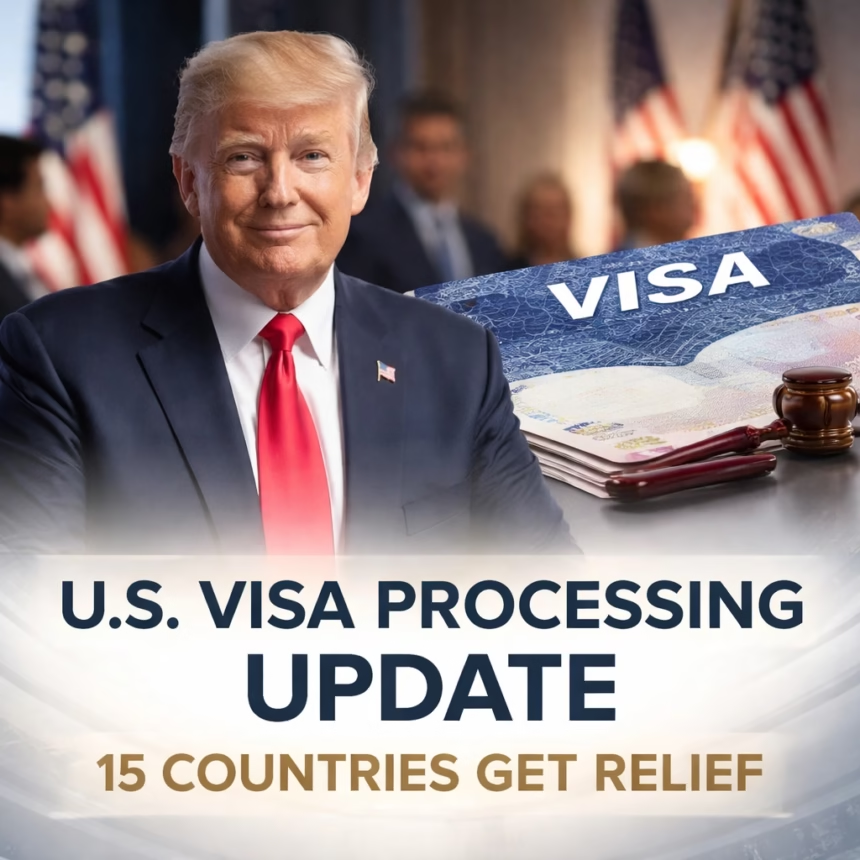
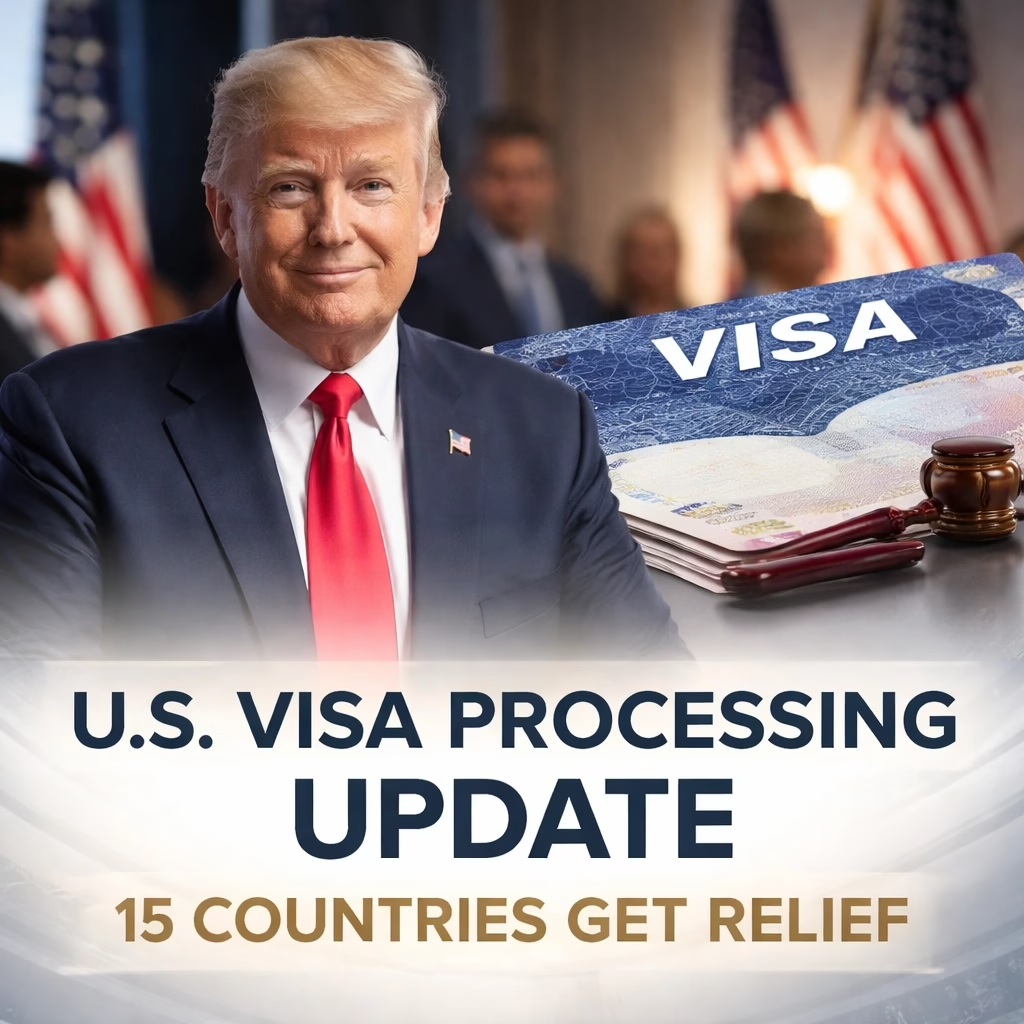
The positive update on visa processing has sent ripples of relief across numerous countries and communities heavily reliant on these U.S. visa categories. While not a complete reversal, the introduction of national interest exceptions offers a pathway for many skilled professionals, essential workers, and their families to proceed with their plans to enter the United States. This relief is expected to significantly benefit applicants from various nations, potentially numbering 15 or more, where these visa categories are particularly sought after.
Individual and Family Relief
For thousands of individuals, this development means the potential to resume their careers, pursue educational opportunities, or reunite with family members in the U.S. Many professionals, especially in the technology and healthcare sectors, had their careers put on hold, facing uncertainty about their future. The exceptions allow critical workers to fill essential roles, contributing their expertise to the U.S. economy and public health efforts. Families separated by the freeze, including spouses and children of existing visa holders, now have a clearer path to reunification, alleviating significant personal distress and logistical challenges.

Economic and Sectoral Boost
The business community, particularly those in the technology, healthcare, and research industries, stands to benefit substantially. U.S. companies had expressed concerns about talent shortages and the inability to transfer key personnel, impacting innovation, project timelines, and global competitiveness. The national interest exceptions enable these businesses to access specialized skills and expertise, ensuring the continuity of critical projects and fostering economic recovery. For example, tech companies can bring in engineers for vital software development, and hospitals can welcome medical professionals to bolster their workforce, especially pertinent during a public health crisis.
Furthermore, the ability to bring in essential workers supports various sectors that rely on specialized foreign talent to maintain operations and drive growth. This includes scientific research institutions, advanced manufacturing, and other industries deemed critical to national infrastructure. The targeted relief helps prevent brain drain and ensures that the U.S. remains a hub for innovation and talent.
What Next: Phased Resumption and Policy Horizon
While the announcement of national interest exceptions offers immediate relief, the path forward involves a phased resumption of visa services and continued monitoring of the global health and economic landscape. Applicants must navigate specific procedures and criteria, and the broader policy implications of the proclamation remain a subject of ongoing discussion.
Application Procedures and Consular Operations
Prospective applicants seeking national interest exceptions must contact the nearest U.S. embassy or consulate to ascertain specific application procedures and required documentation. Consular sections will prioritize these cases, but processing times may vary depending on local conditions and staffing levels. Applicants will need to provide compelling evidence demonstrating how their entry meets the defined national interest criteria. This often involves detailed letters from employers, project descriptions, and evidence of specialized skills or critical roles.
It is crucial for applicants to stay informed about updates from the Department of State and individual consular posts, as guidelines can evolve. The resumption of services is not uniform across all locations, and capacity constraints due to the pandemic may still affect the speed of processing.
The Broader Policy Horizon
The original Presidential Proclamation 10052 was set to expire on December 31, 2020. The future of these visa restrictions beyond this date remains a key question. The incoming administration, if any, will have the authority to extend, modify, or completely rescind the proclamation. Immigration advocacy groups and business leaders continue to push for a full lifting of the freeze, arguing that the economic conditions that initially justified the measure have evolved, and the long-term benefits of foreign talent outweigh the perceived short-term protections.
The introduction of national interest exceptions signals a recognition of the indispensable role that certain foreign workers play in the U.S. economy and society. The ongoing debate surrounding immigration policy will likely continue, with discussions focusing on balancing national security, economic competitiveness, and humanitarian considerations. For now, the targeted relief provides a critical lifeline for thousands, allowing essential talent to contribute to the nation's recovery and growth.