Oil Diplomacy: India's Balancing Act with Russia and the West
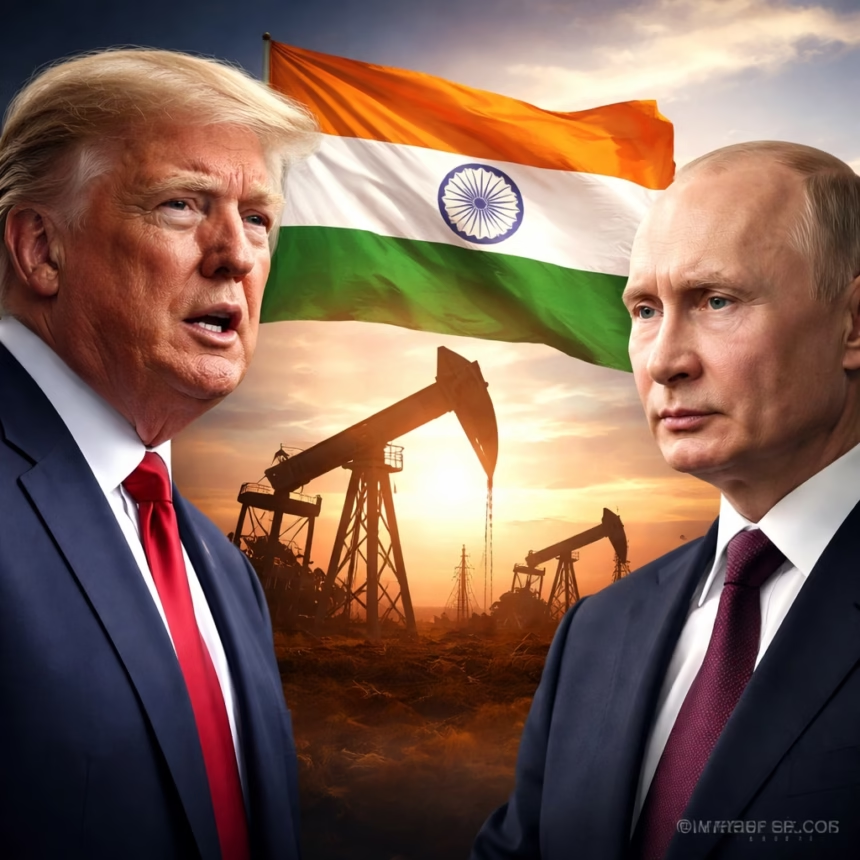
New Delhi – The Kremlin has responded to recent claims made by former U.S. President Donald Trump suggesting India is ceasing its purchase of Russian oil. The exchange highlights the complex geopolitical maneuvering surrounding energy trade and India's strategic position in a rapidly shifting global landscape. The developments unfolded over the past week, prompting careful observation from energy analysts worldwide.
Background
Since the Russian invasion of Ukraine in February 2022, India has significantly increased its imports of Russian crude oil. Prior to the conflict, Russia accounted for approximately 8% of India's crude oil imports. This surge was driven by India's need to secure affordable energy supplies and its existing trade relationships with Russia. India has publicly maintained its commitment to energy security and has not explicitly condemned Russia’s actions. This stance has been a source of friction with Western nations, particularly the United States and European Union, who have imposed sanctions on Russia’s energy sector.
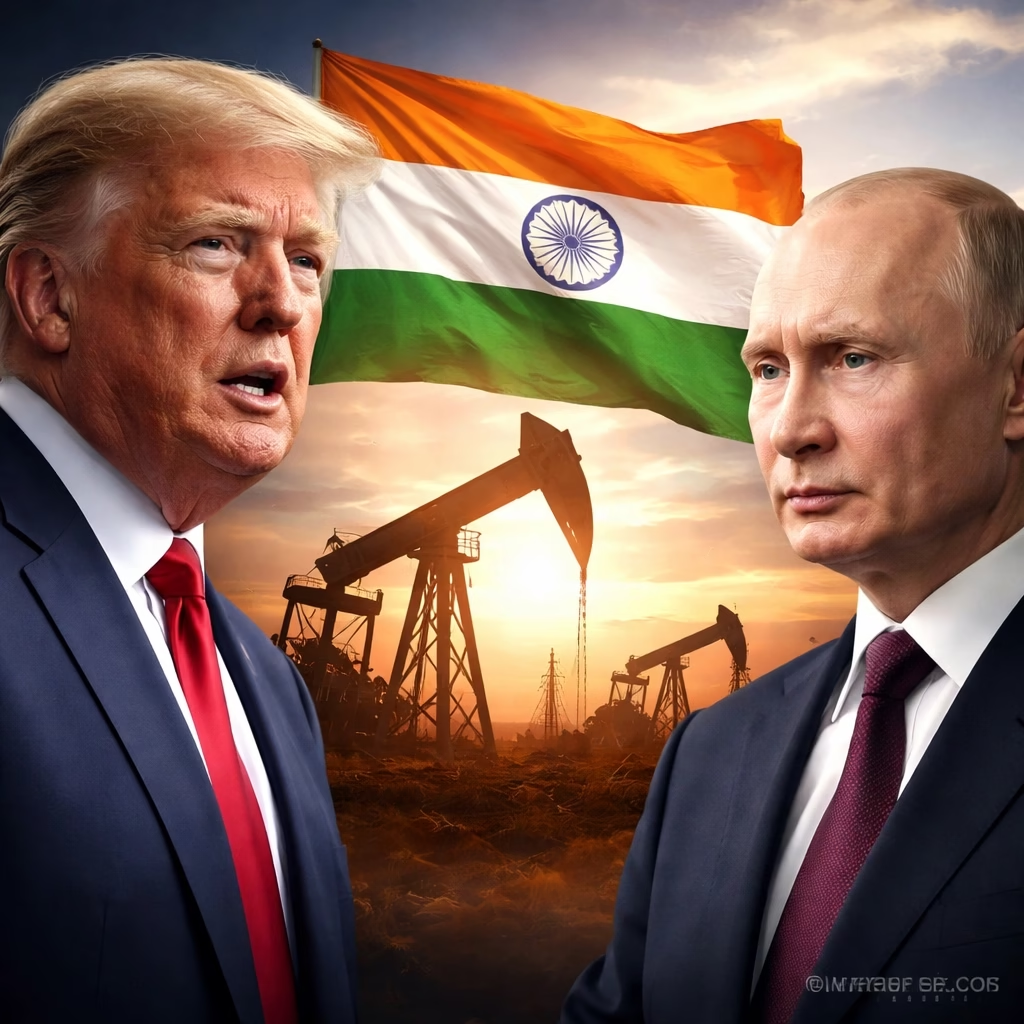
India has continued to purchase Russian oil through various channels, including refining agreements and private sector deals. The Indian government has emphasized its focus on maximizing energy imports while adhering to international laws and regulations. The country has also actively sought to diversify its energy sources, increasing imports from countries like Saudi Arabia, Iraq, and the United Arab Emirates. The current oil import volume from Russia remains a sensitive topic, with official data being closely scrutinized.

Key Developments
Trump's claim, made on [Date – e.g., November 8, 2023], asserted that India had informed Russia it would halt oil purchases. The Kremlin swiftly refuted this statement through its spokesperson, Dmitry Peskov. Peskov stated that Russia had not received any such communication from India. He emphasized that trade relations between the two countries remain stable and that Russia is prepared to adjust its supply strategies if needed.
Following Trump’s remarks, the Indian Ministry of External Affairs issued a statement reaffirming its independent foreign policy and its commitment to pursuing its national interests. The statement did not directly address Trump’s claims but reiterated India’s position on energy security and its desire for stable trade relationships with all partners.
Industry analysts have noted a slight dip in Russian oil imports to India in recent weeks, but the overall volume remains substantial. This decrease is attributed to a combination of factors, including increased domestic production in India, higher prices of Russian oil, and a strategic shift towards other suppliers.
More Read

Impact
The ongoing debate surrounding India's oil purchases from Russia has several implications. From a geopolitical perspective, it underscores the challenges of aligning with Western sanctions regimes while maintaining economic stability. India’s actions are being closely watched by other nations facing similar dilemmas.
Economically, the situation impacts both India and Russia. India benefits from access to relatively affordable oil, while Russia relies on India as a key market for its energy exports. However, the potential for future sanctions and the risk of reputational damage remain significant concerns for both countries. Western nations continue to pressure India to reduce its reliance on Russian oil, fearing that such trade sustains the Russian war effort.
The energy sector in India is also experiencing volatility. Fluctuations in global oil prices, coupled with geopolitical uncertainties, affect domestic fuel costs and consumer spending. The government is actively working to mitigate these impacts through various policy measures, including strategic oil reserves and price controls.
What Next
The immediate future is likely to involve continued diplomatic maneuvering and careful monitoring of oil trade flows. India is expected to maintain its diversified energy strategy, balancing its needs for affordability and security with its desire to avoid escalating tensions with the West.
Potential Scenarios
Continued Status Quo: India continues its current level of oil imports from Russia and other sources, maintaining a delicate balance.
Gradual Reduction: India slowly reduces its reliance on Russian oil as alternative suppliers become more viable.
Increased Pressure: Western nations intensify pressure on India to significantly curtail its oil purchases from Russia, potentially leading to diplomatic friction.
Key Milestones to Watch
The upcoming [Date – e.g., December 2023] G20 summit in [Location – e.g., Delhi] will likely provide a forum for discussions on energy security and geopolitical challenges, potentially influencing India’s future oil policies. The next quarterly report on India’s crude oil imports, released by the [Organization – e.g., Indian Oil Corporation], will offer further insights into evolving trade patterns.