Gaza Relief: Billion-Dollar Promise Amidst Political Shifts
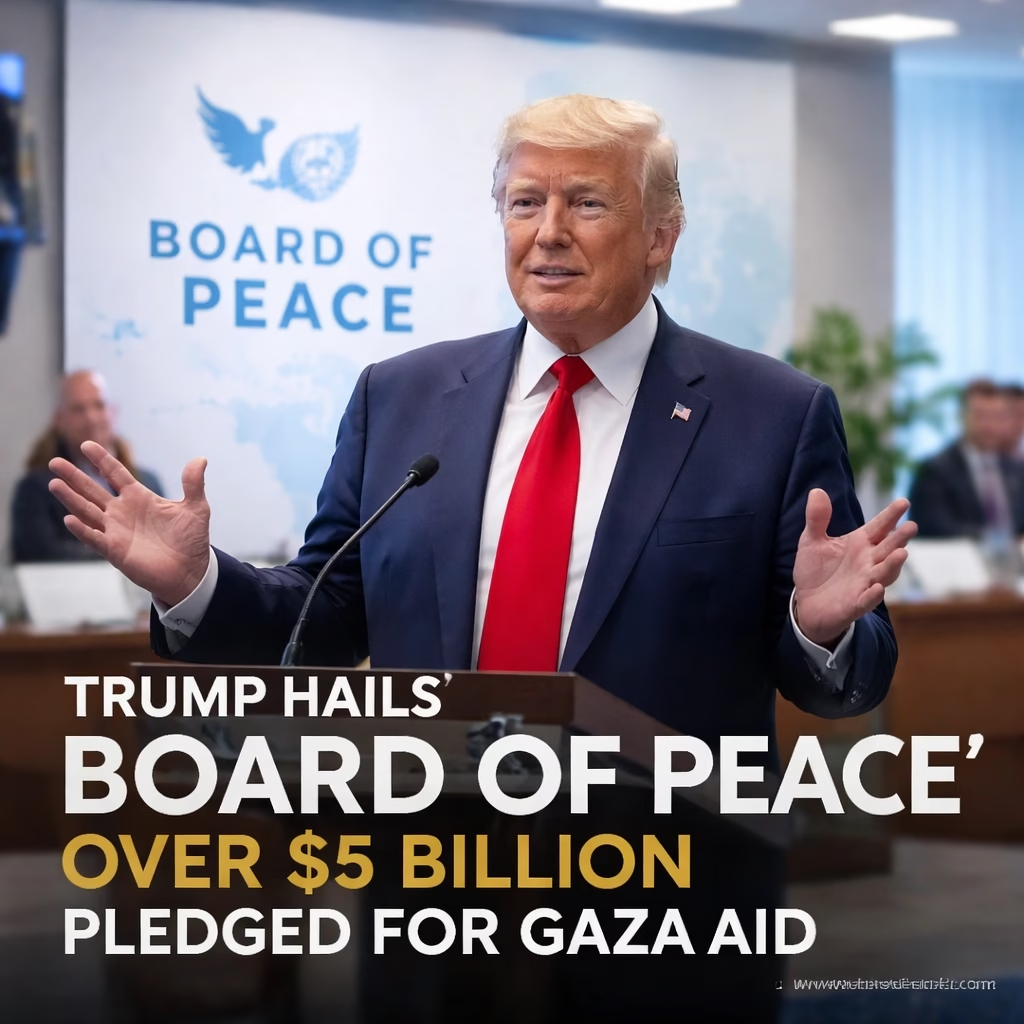
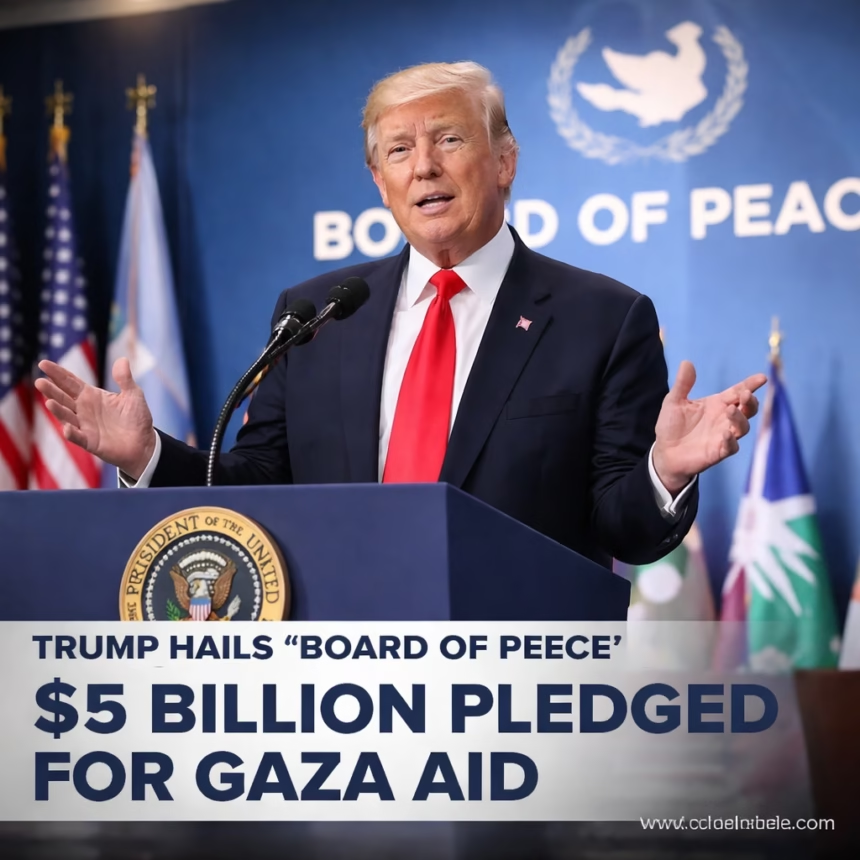
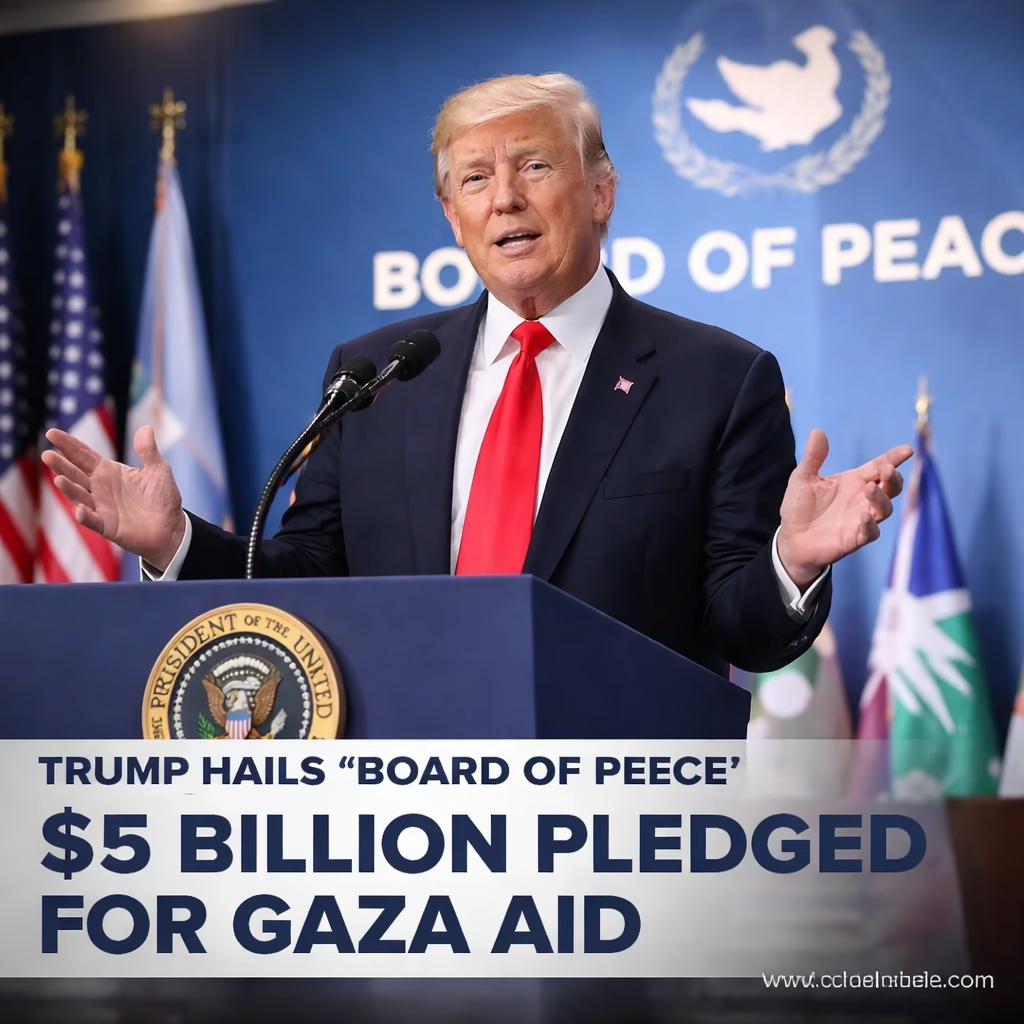
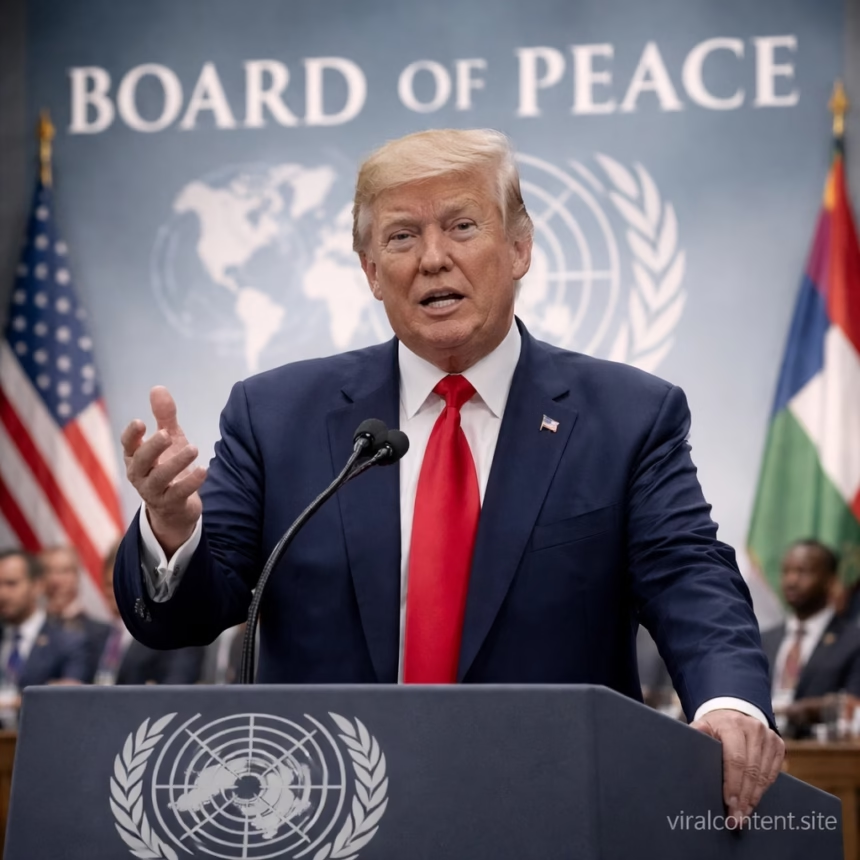
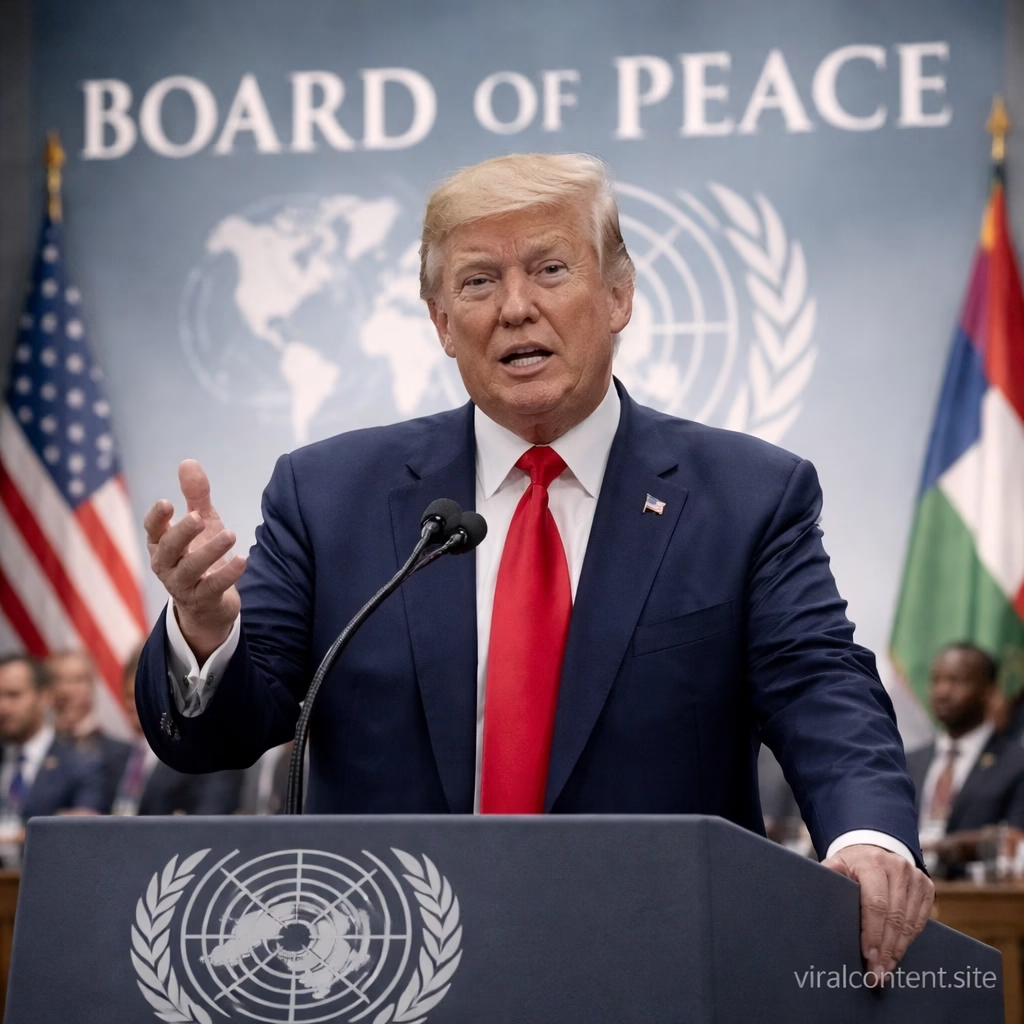
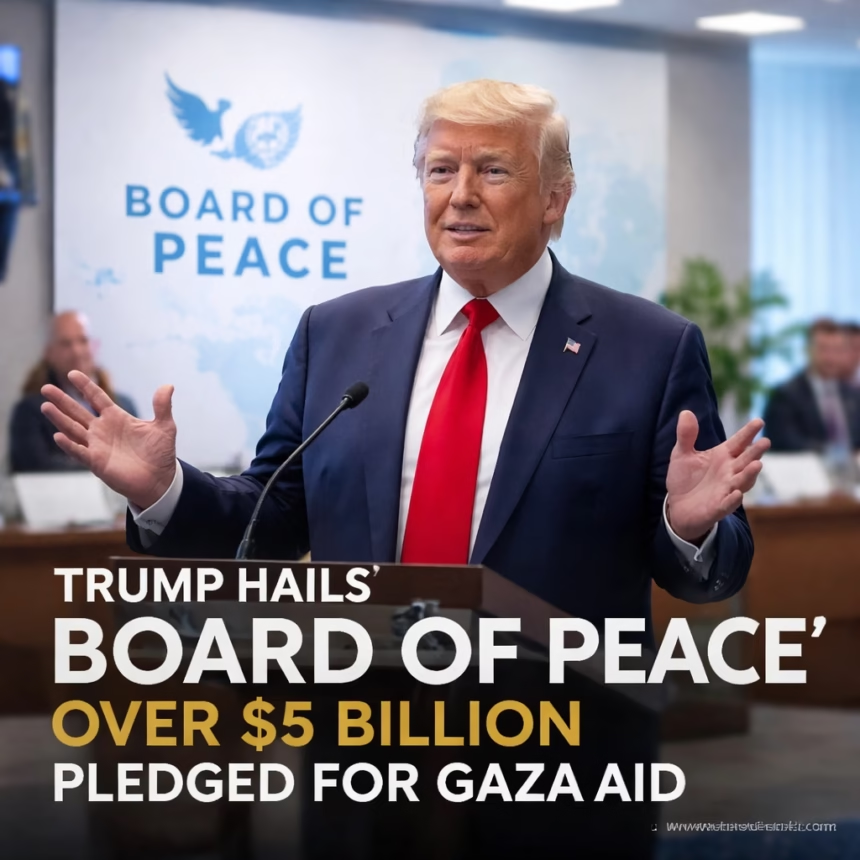
Washington D.C. – In a significant development for the ongoing humanitarian crisis in Gaza, President Donald Trump has lauded a newly formed "Board of Peace" and announced over $5 billion in pledged aid from participating nations. The announcement, made on December 12, 2023, aims to bolster relief efforts for civilians impacted by the conflict between Israel and Hamas.
Background
The conflict between Israel and Hamas erupted on October 7, 2023, following a large-scale attack by Hamas militants on Israeli territory. This unprecedented attack resulted in over 1,200 deaths and the capture of over 240 hostages. Israel responded with extensive airstrikes and a ground offensive in the Gaza Strip, a densely populated Palestinian territory bordering Egypt and Israel.
The ensuing conflict has resulted in a dire humanitarian situation in Gaza. The Gaza Health Ministry reports over 29,000 Palestinians have been killed, and tens of thousands more have been injured. Essential supplies, including food, water, medicine, and fuel, are severely limited, raising serious concerns about public health and safety. International organizations like the United Nations and the World Health Organization have repeatedly warned of a looming humanitarian catastrophe.
Key Developments
President Trump's announcement of the "Board of Peace" and the $5 billion pledge follows weeks of intense diplomatic activity. The "Board," comprised of representatives from several Middle Eastern and international nations, aims to facilitate aid delivery and de-escalate tensions. The pledge includes contributions from the United States ($3 billion), the United Arab Emirates ($1 billion), Qatar ($500 million), and several European nations.
The United States commitment includes a significant portion earmarked for medical supplies, food assistance, and infrastructure repair. The UAE has pledged to prioritize humanitarian assistance, particularly for medical needs. Qatar has focused on providing essential supplies and supporting medical facilities in Gaza. The European contributions are being channeled through various international aid organizations.
The announcement coincides with ongoing negotiations for the release of hostages held by Hamas. While progress has been slow, recent discussions have reportedly focused on a potential phased release of hostages in exchange for the release of Palestinian prisoners held by Israel. These talks are being mediated by several international actors, including Egypt, Qatar, and the United States.
Impact
The pledged aid is expected to provide crucial relief to the civilian population in Gaza, who have been disproportionately affected by the conflict. The immediate impact will focus on addressing urgent needs such as food security, access to clean water, and medical care. However, the scale of the devastation means the aid will only represent a partial solution to the immense humanitarian crisis.
More Read

The aid distribution process faces significant logistical challenges. The ongoing conflict makes it difficult to safely deliver aid to all areas of Gaza. Furthermore, restrictions imposed by Israel on aid entering the territory have hampered relief efforts. International organizations are working to overcome these obstacles and ensure that aid reaches those who need it most.
The "Board of Peace" initiative is intended to foster dialogue and de-escalation, potentially contributing to a long-term resolution of the conflict. However, its success hinges on the willingness of all parties to engage in constructive negotiations.
What Next
Aid Delivery Logistics
The immediate focus will be on coordinating the delivery of the pledged aid. International aid organizations are working with the United Nations and other agencies to establish efficient distribution networks. Challenges remain in navigating the security situation and ensuring aid reaches all affected communities.
Hostage Negotiations
Continued diplomatic efforts are expected to focus on securing the release of hostages. The current negotiation framework involves indirect talks mediated by several countries. The success of these negotiations is crucial for alleviating the suffering of the hostages and potentially paving the way for a broader ceasefire.
Long-Term Reconstruction
Beyond the immediate humanitarian crisis, the long-term reconstruction of Gaza will require substantial international investment. This will involve rebuilding infrastructure, providing housing, and supporting economic recovery. The scale of the reconstruction effort is estimated to be in the tens of billions of dollars and will require sustained international support.
The "Board of Peace" is expected to play a role in coordinating the long-term reconstruction efforts, facilitating international investment, and promoting sustainable development in Gaza. The coming months will be critical in determining whether the pledges of aid and the initiatives for peace can effectively address the immense challenges facing the region.
More Read